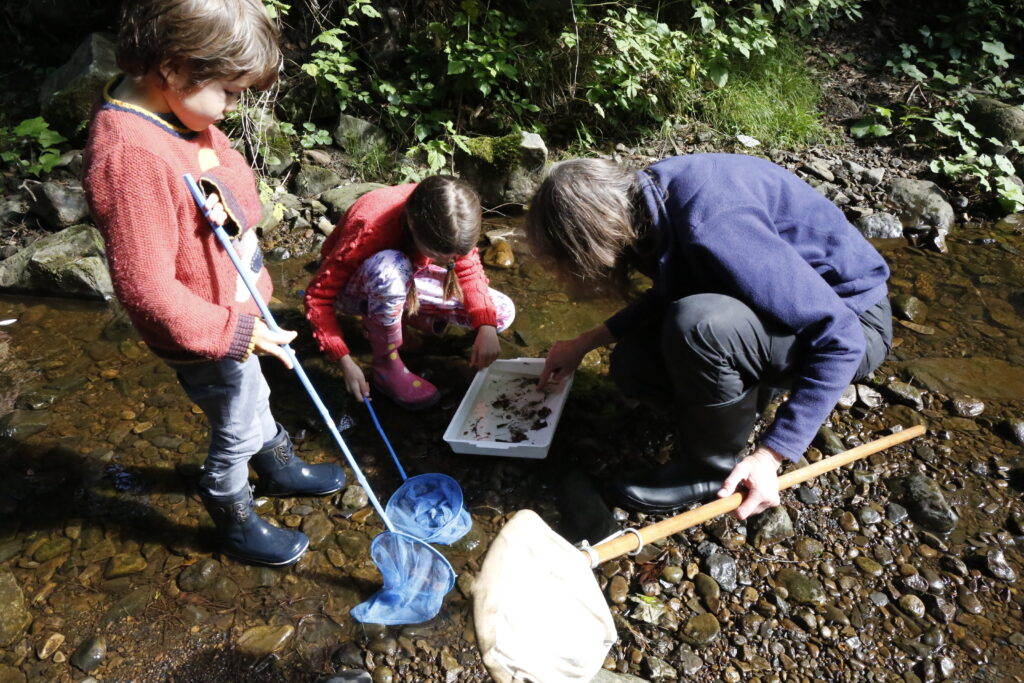
What we do
Working together
Over its five-year lifespan, Tees-Swale put farmers and landowners at the heart of nature recovery. The project team worked closely with farmers in preparation, resulting in over 60 farmers and landowners committing to carry out work to benefit people and wildlife in the first two years of the scheme. In addition to this, partners worked with over 200 farmers in the area over the life of the programme.
Training for farmers and land managers
We worked with groups/clusters of farmers, landowners and land managers in three key areas: habitat assessment; alternatives to intensification; and public goods and ecosystem services. Together we learnt techniques that are consistent with High Nature Value (HNV) farming, results-based schemes and ecosystem services. This work took the form of training, workshops and field demonstrations delivered in partnership with industry experts and research institutes. A total of 60 training sessions, 11 per year with a total target of 600 training places, led to 50 farmers actively undertaking habitat assessment.
Training for contractors
Skilled and knowledgeable contractors are key to ensuring the programmes legacy so we delivered training on habitat management and HNV farming methods to agricultural contractors operating within the area. A total of 10 workshops and field demonstrations enabled contractors to deliver a high-quality service for both farmers and the environment.
Knowledge-Exchange demonstration events
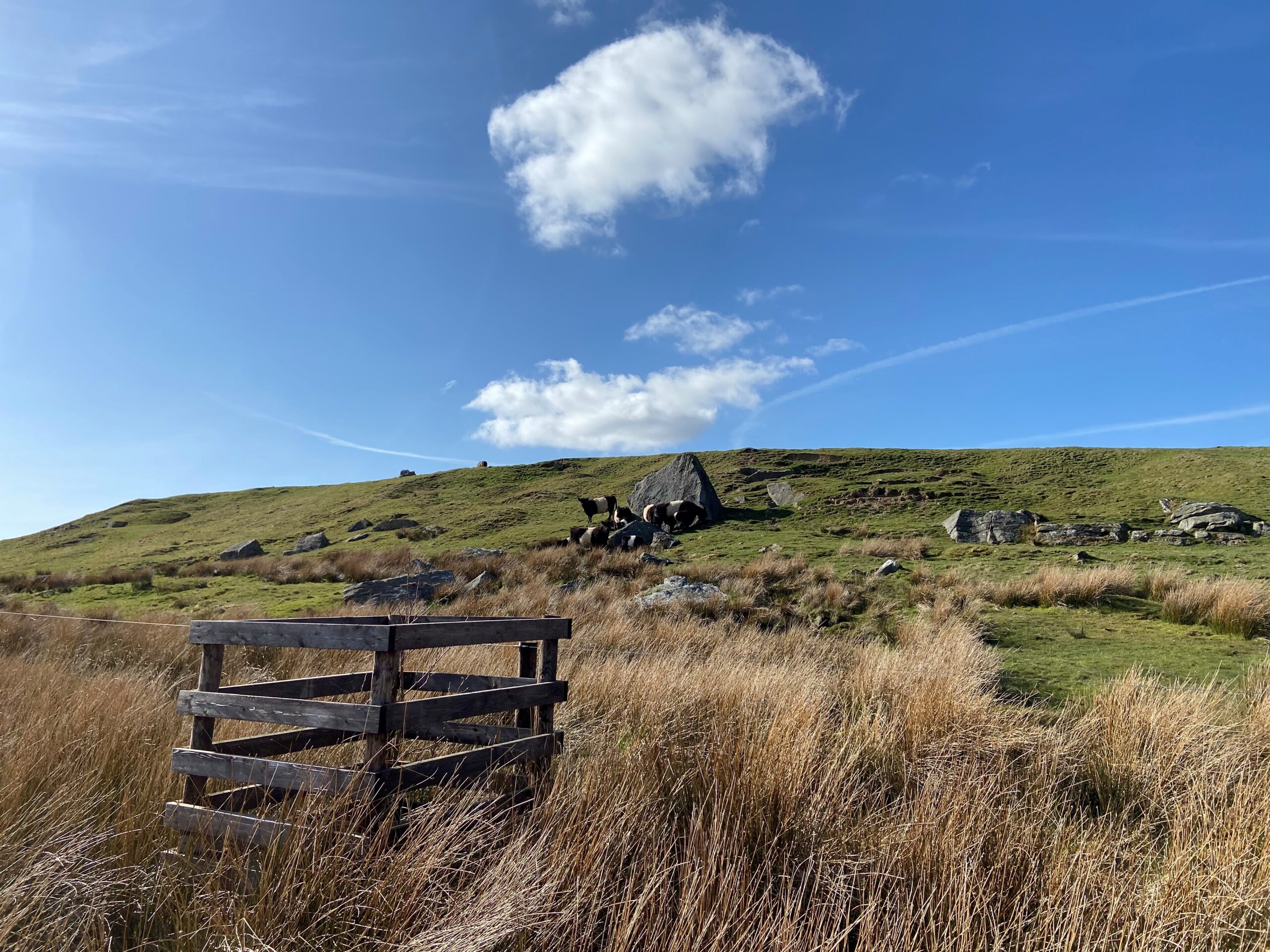
We delivered demonstration events in four key areas of Knowledge-Exchange: Farmer-conservationist knowledge-exchange; Peer to peer learning; HNV farming; and peatland management. This work brought groups/clusters of farmers, landowners, land managers, conservationists and policy makers together in real-world situations to build a shared understanding and to increase knowledge and respect. We held 45 workshops, nine per year, with a total target attendance of 560.
Land management trials
We worked directly with groups/clusters of farmers, landowners and land managers developing three land management trials, exploring locally-relevant management techniques that will benefit both farming and wildlife.
Youth Group leaders and outdoor centres
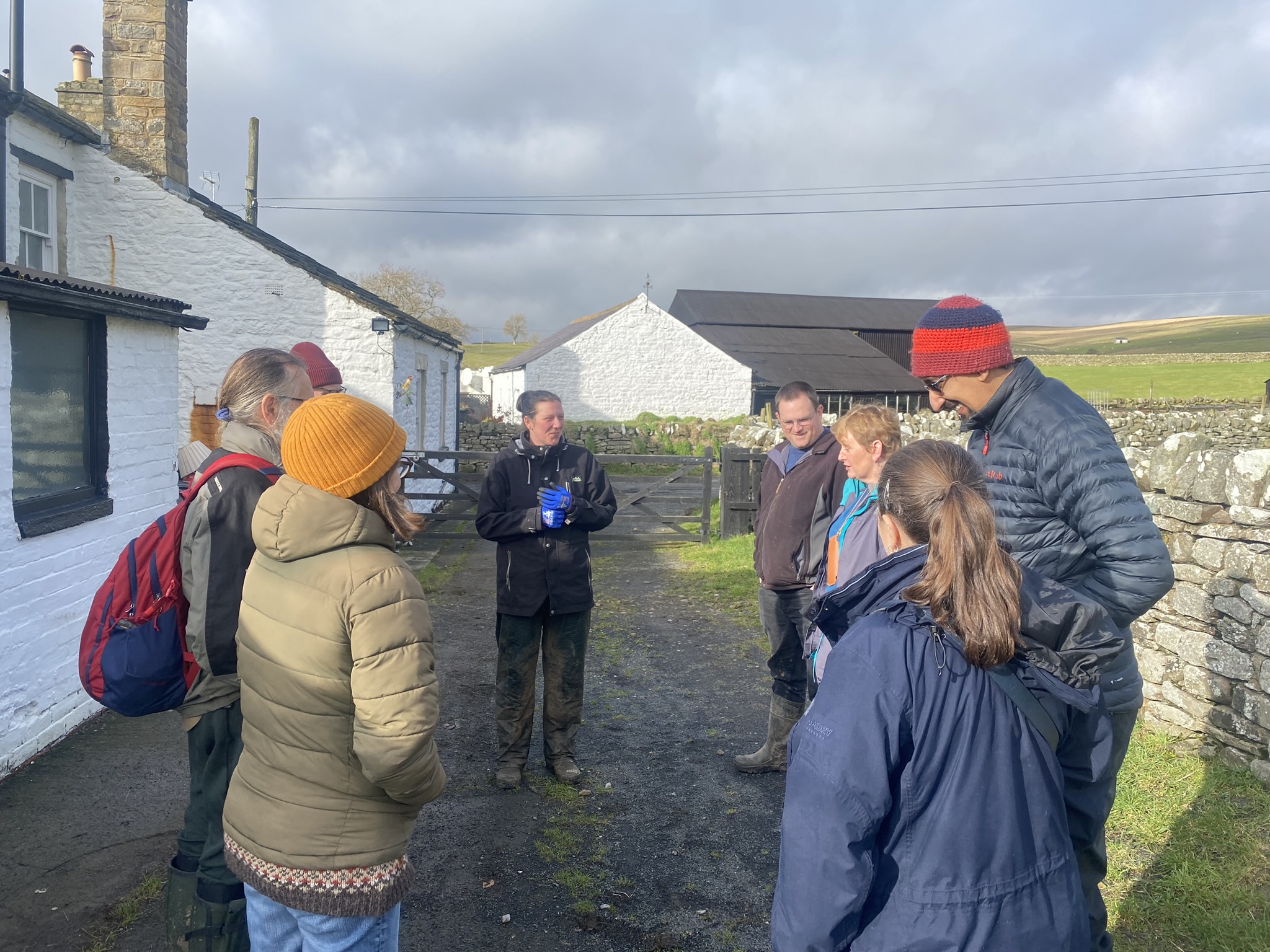
Our Community Engagement team worked with youth group leaders, Duke of Edinburgh leaders and outdoor education centres to familiarise them with the area and helped them to feel more confident leading groups in the area. Our work together showcased what makes Teesdale and Swaledale special and highlighted the opportunities for groups to engage with our landscape, our wildlife and our cultural heritage.
Traineeships
Throughout the programme we recruited and supported 19 paid trainees in a variety of roles. Our trainees were offered a range of skills training, including habitat survey and management, GIS and IT, traditional skills (e.g. woodland management), new approaches to HNV farming, community engagement and heritage interpretation.
Tees-Swale Volunteers
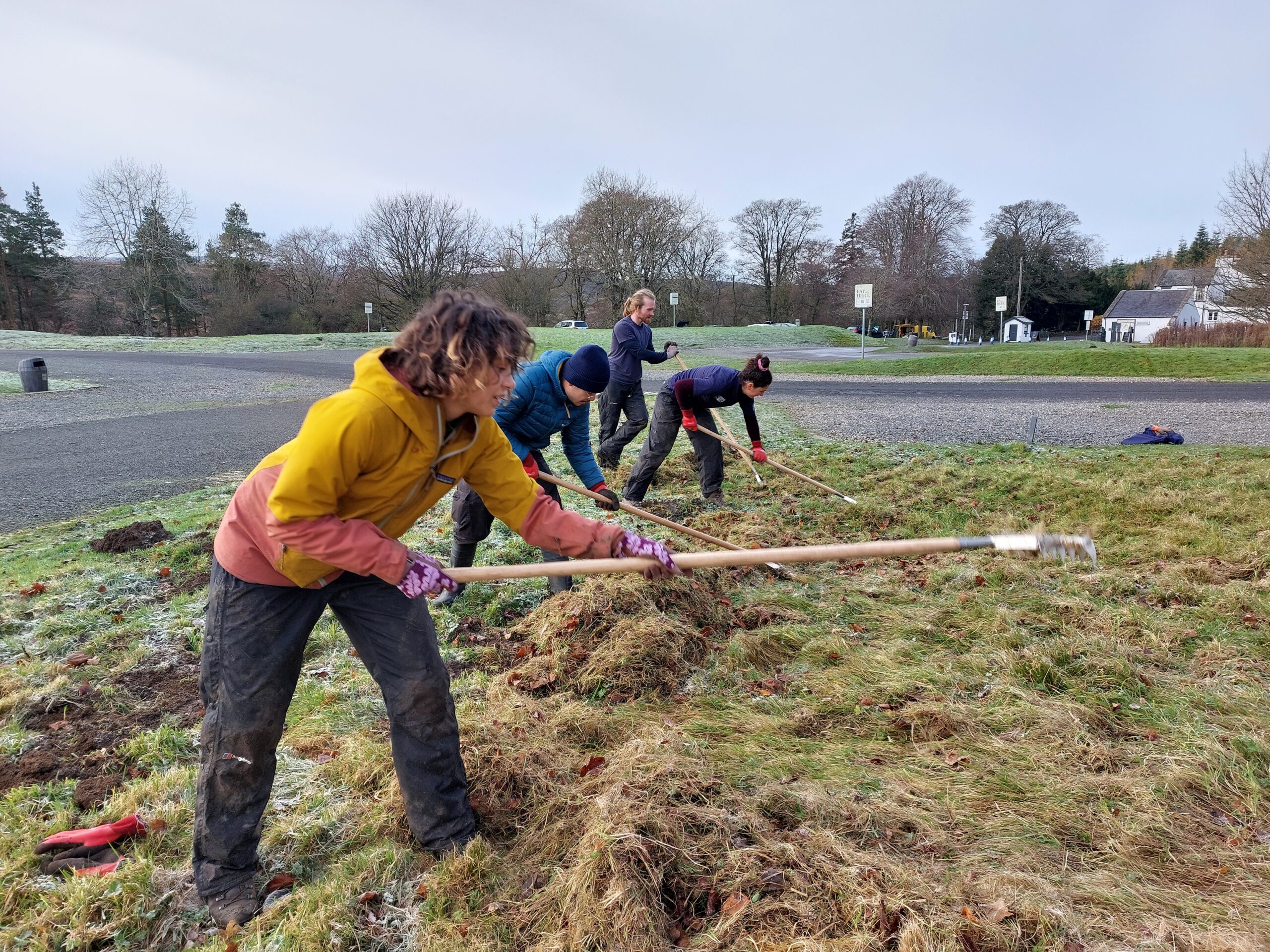
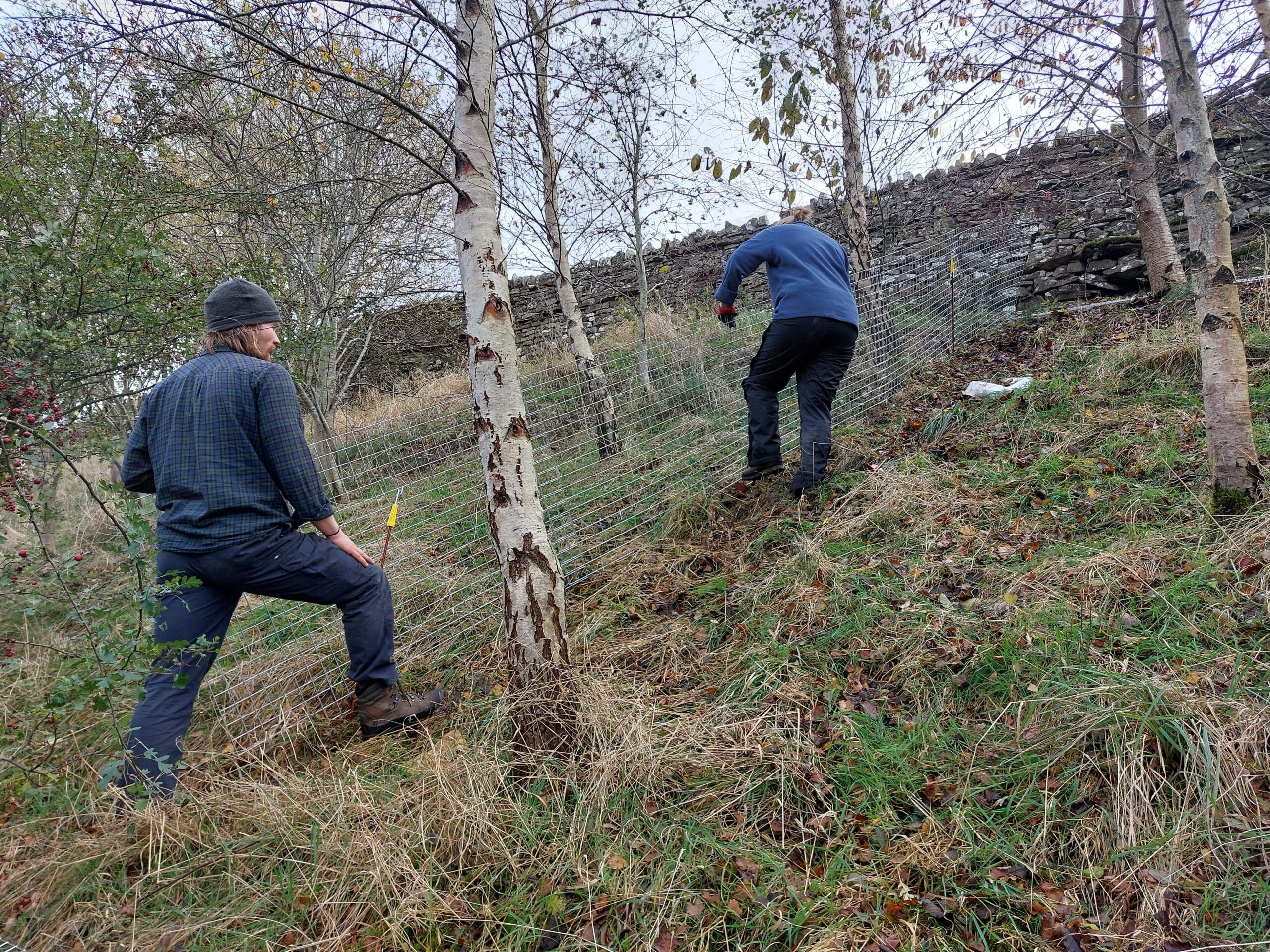
Volunteers were involved in a variety of activities, such as monitoring the impacts of habitat restoration, assisting in the engagement programme and carrying out large-scale conservation tasks. We worked with over 450 volunteers, running 58 training workshops over the five years, on topics including wildflower identification, ash tree monitoring, tree and plug planting, access and community engagement.
Did you know…