What we do
Better becks
Fellfoot Forward natural flood management project
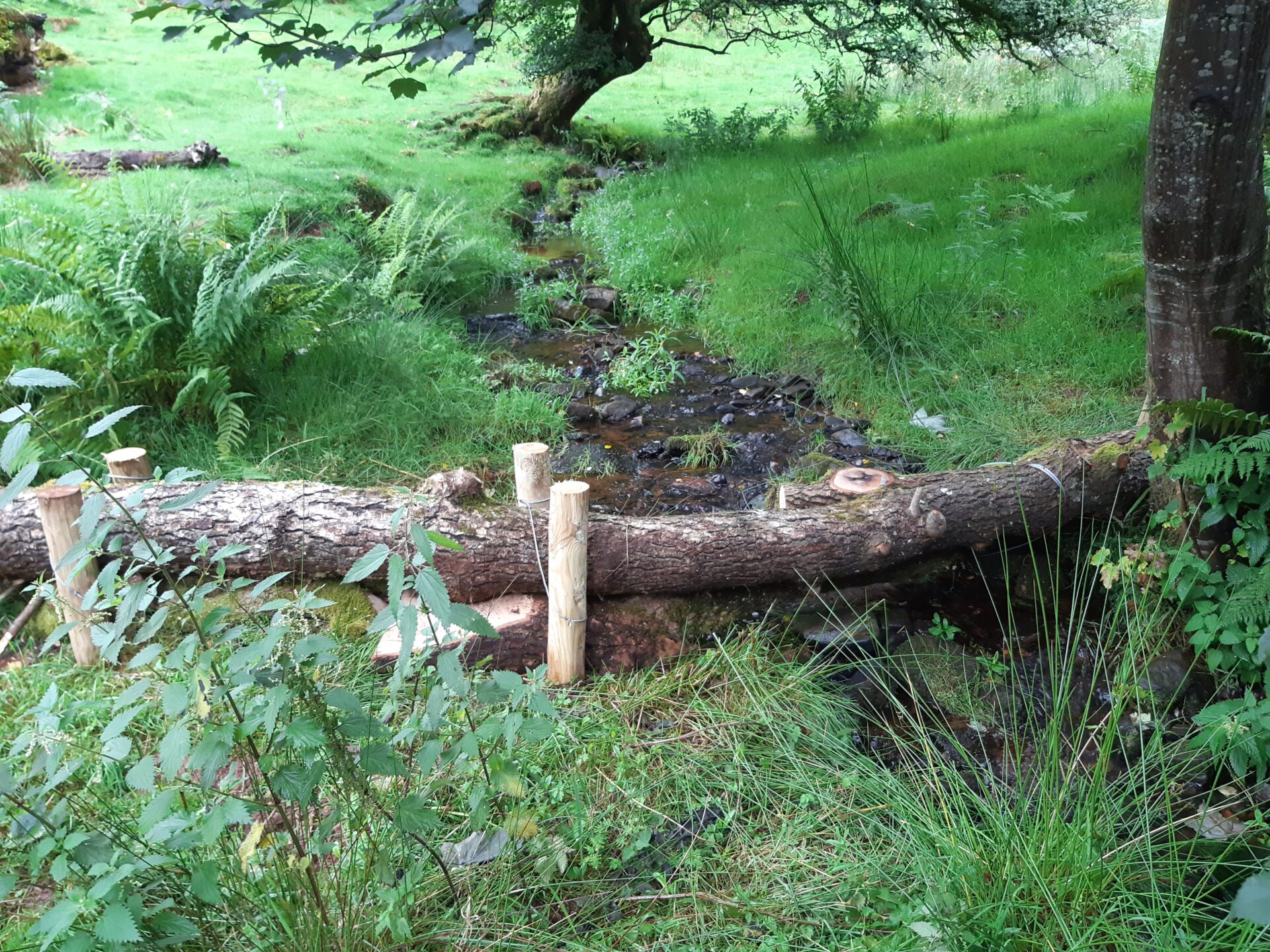
Eden Rivers Trust, as part of the Fellfoot Forward Landscape Partnership Scheme (LPS), started working with farmers in April 2020 to complete a ground-breaking programme of natural flood management and habitat improvement on becks flowing into the River Eden. These works, which include tree planting, riparian fencing, leaky dams, and ‘re-wiggling’ stretches of river that have been straightened in the past, are now completed.
We worked with fourteen farms delivering a suite of natural flood management interventions and engaged sixty-nine volunteers in these works. The interventions included:
- 6,748 square metres of wetland created
- 6660 trees planted
- 23 leaky dams created or restored
- 2697 metres of hedgerows created or restored with 14835 hedgerow plants
- 37 hectares of woodland created
- 99 hectares of woodland restored
- 230 metres length of river restored


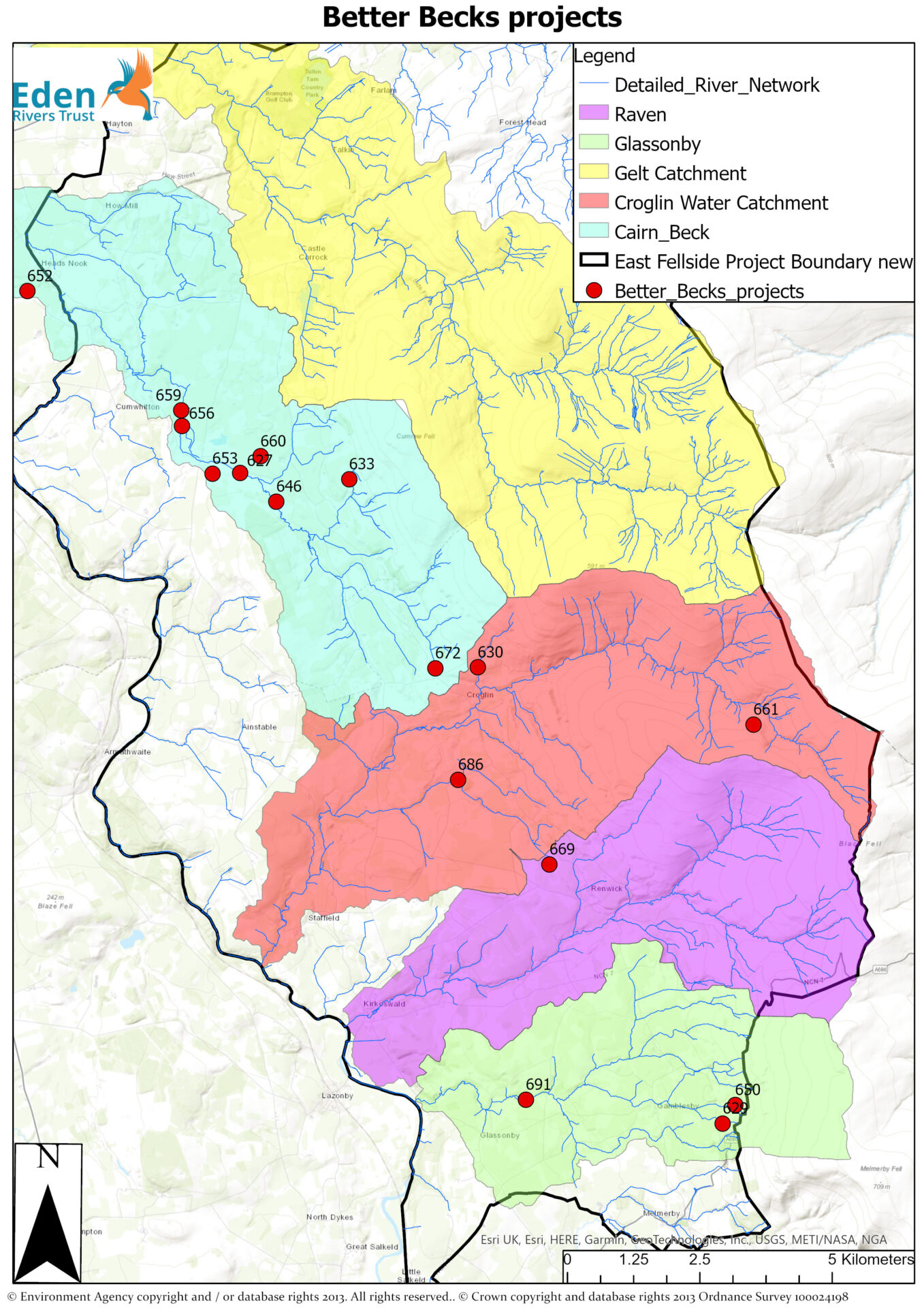
At 80 miles long, the River Eden is one of the UK’s finest examples of a limestone and sandstone river. It has five sub catchments which were within the Fellfoot Forward programme area: Glassonby, Raven, Gelt, Croglin Water and Cairn Beck. These host rare species, such as the native white-clawed crayfish and lamprey, and provide vital ecosystem services for communities downstream, such as water quality and flood protection.
Eden Rivers Trust implemented measures to ‘slow the flow’ of flood water, helping to reduce flooding risk to communities downstream, and making the Fellfoot Forward landscape more resilient to climate change. Through vital work with farmers, woodland creation, riverbank protection, and new meanders have also created new habitats for wildlife and improved water quality.
Jenny Garbe, Better Becks Project Manager, Eden Rivers Trust said: “The better becks project gave us the rare opportunity to attract funding from a wide range of sources that would allow us to create an exciting programme of natural flood management and river restoration work that could be spread over three years to tackle some of the key issues in this area such as flood risk to communities, poor water quality and disconnected, degraded habitats.
What’s great about this project is that the benefits will only keep getting better over time. Only ten months after completion, we’ve already seen natural river erosion and deposition, regeneration, tree growth, and wildflowers emerging. We have also seen footage of otter, polecat, and badgers using the Townfoot site and I’m looking forward to doing fish surveys later this year to see what species have moved into the new channel.”
The outcomes of the project include a reduction in downstream flood risk, biodiversity improvements, carbon sequestration, improvements in water quality, and engagement with volunteers.
Project Partners
Funded by


Discover more
You may also like
Did you know…