
News
Work experience
6 March 2026
Work experience (Malachi)
This week we did many things, both at the office and Bowlees Visitor Centre. It was interesting to understand and experience what it is like to work for North Pennines National Landscape.
Monday:
On Monday, we headed over to Bowlees Visitor Centre.
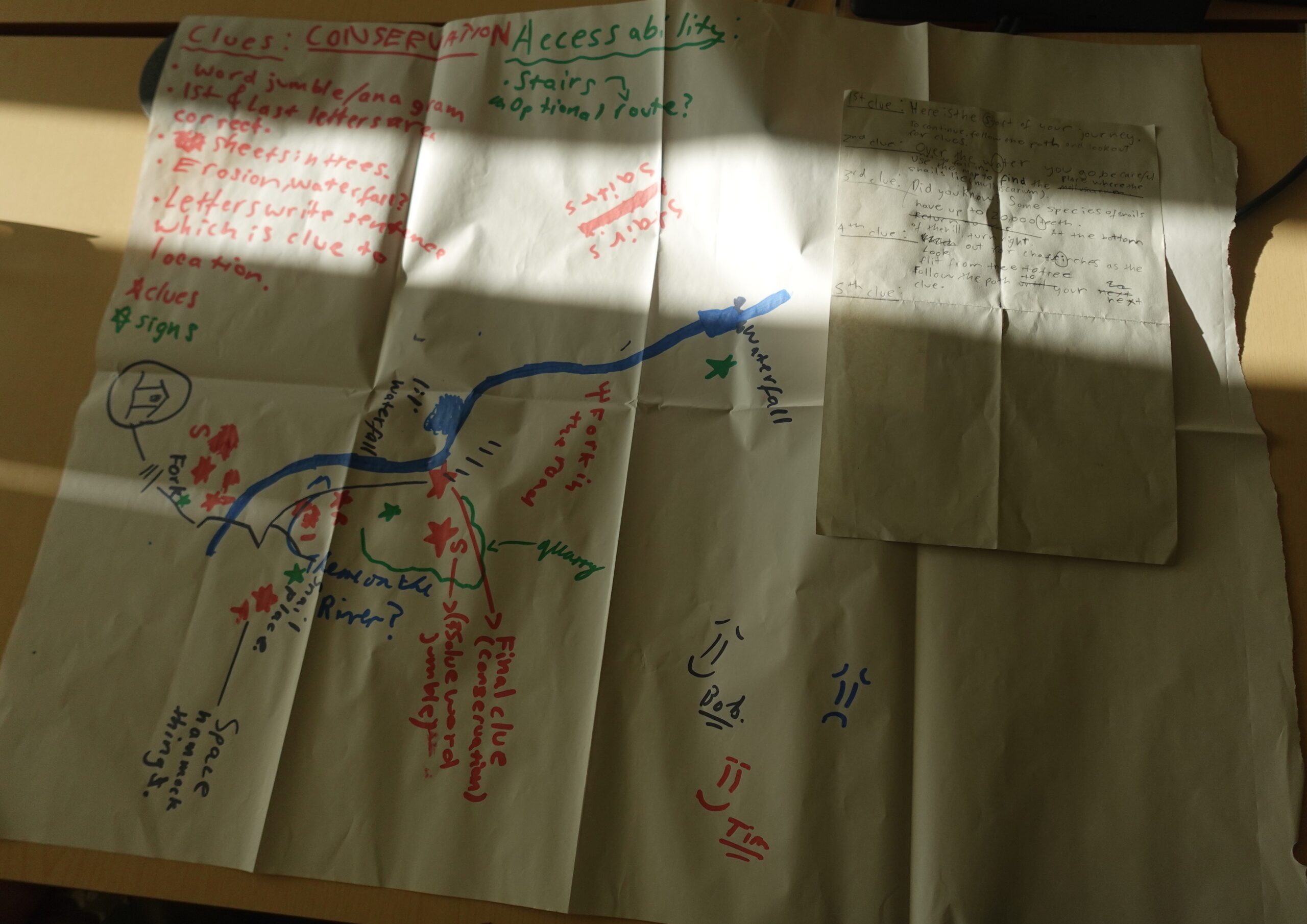
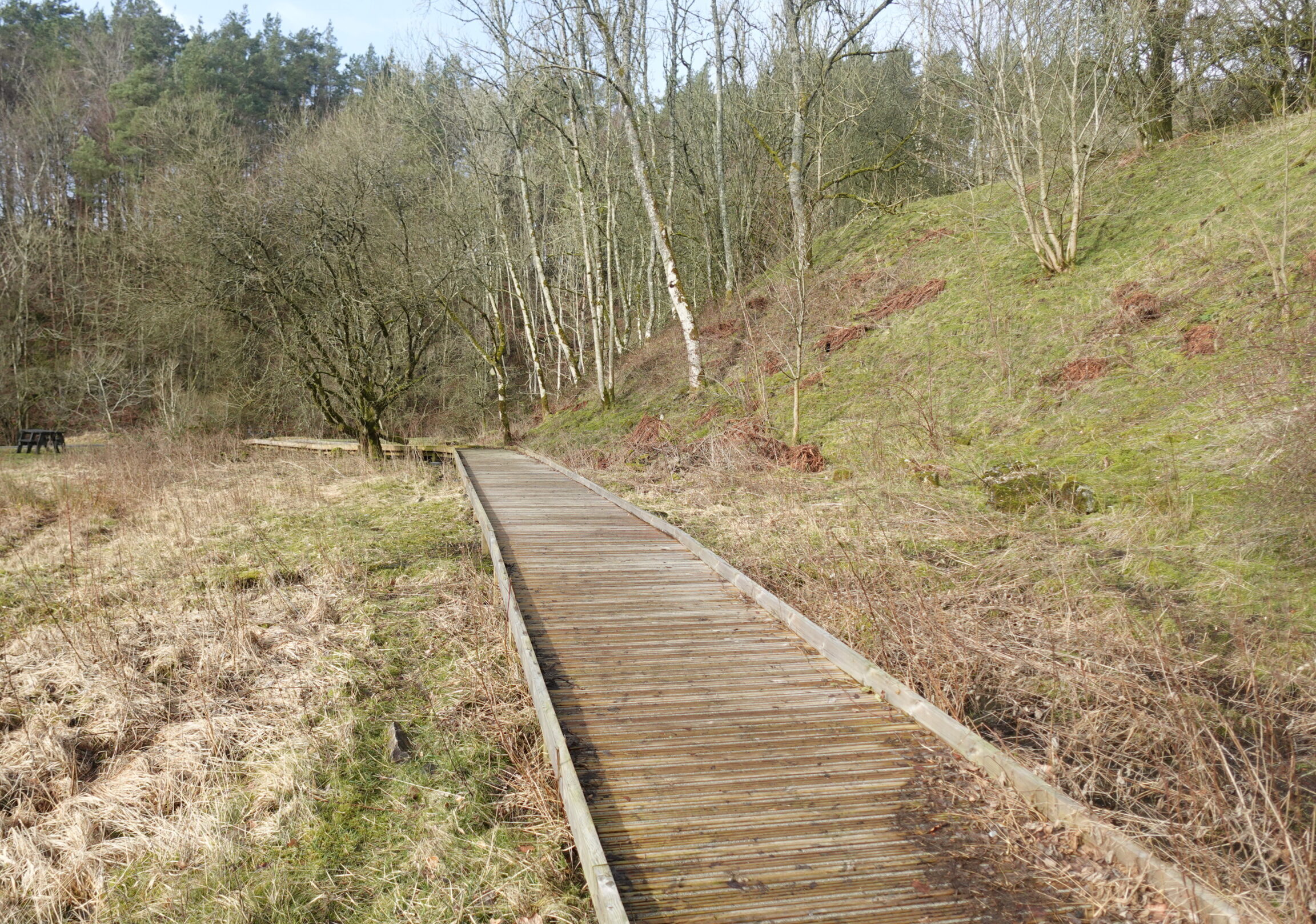
We had a short walk around the site and talked about how it had been made more inclusive for different visitors. We also talked about how waterfalls are formed and looked at the dangers related to them, especially with uneven ground and natural features.
After lunch, we started planning a family trail designed for children aged 3–12. The idea was to create a fun and interactive treasure hunt-style clue-based quiz that was both enjoyable and educational.
Later, we went back to the office and packed gift bags for the Adders Up project. It was a fun, practical way to finish the day.
Tuesday:
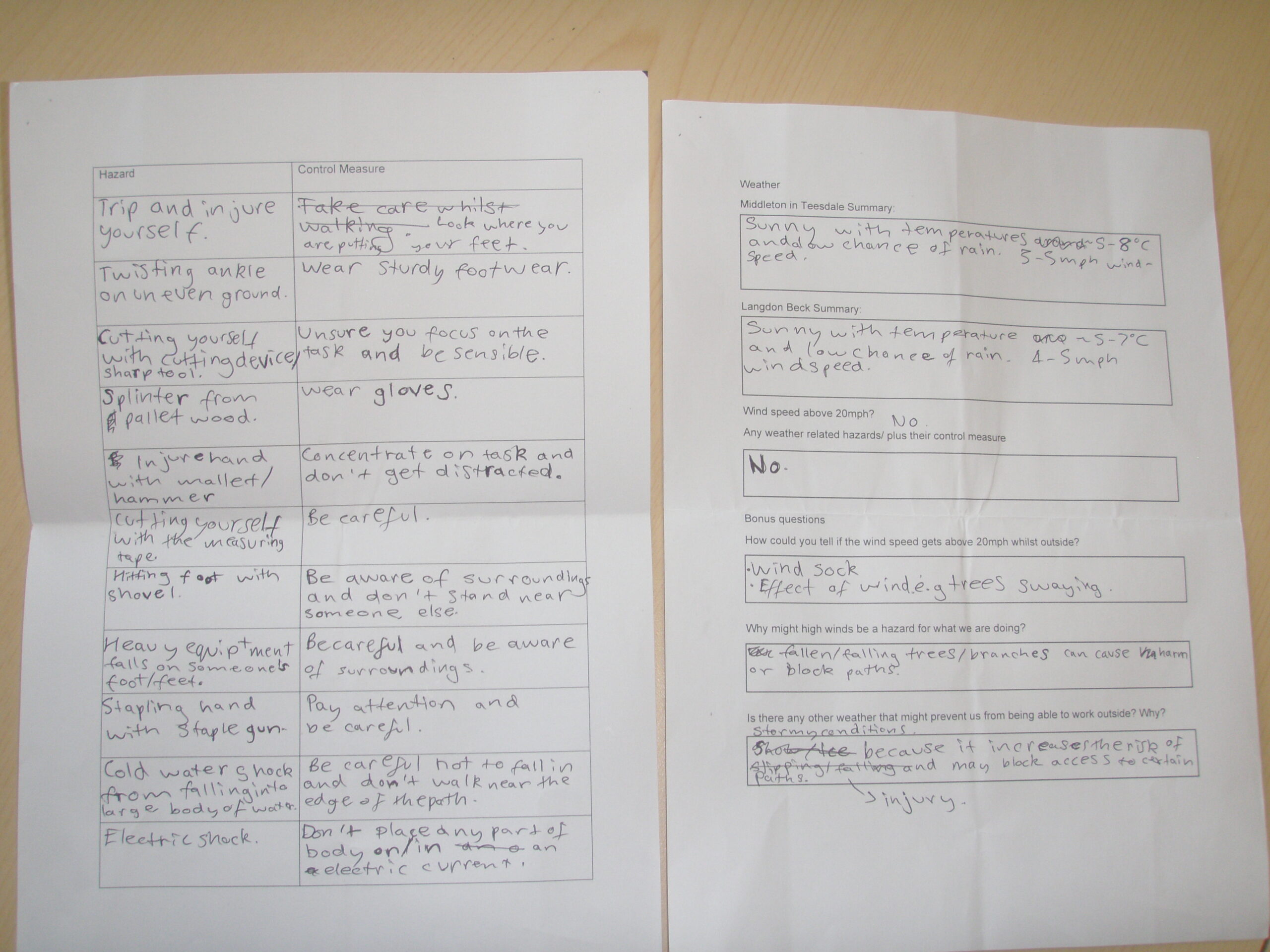
Tuesday began with us completing a risk assessment. This helped us to consider possible dangers and figure out how to reduce them before heading out onto the site.
We then drove to Bowlees for a walk to check on some reported issues with the public right of way. We looked at a section where there isn’t an official right of way, so signs can be put up to make this clear for visitors.
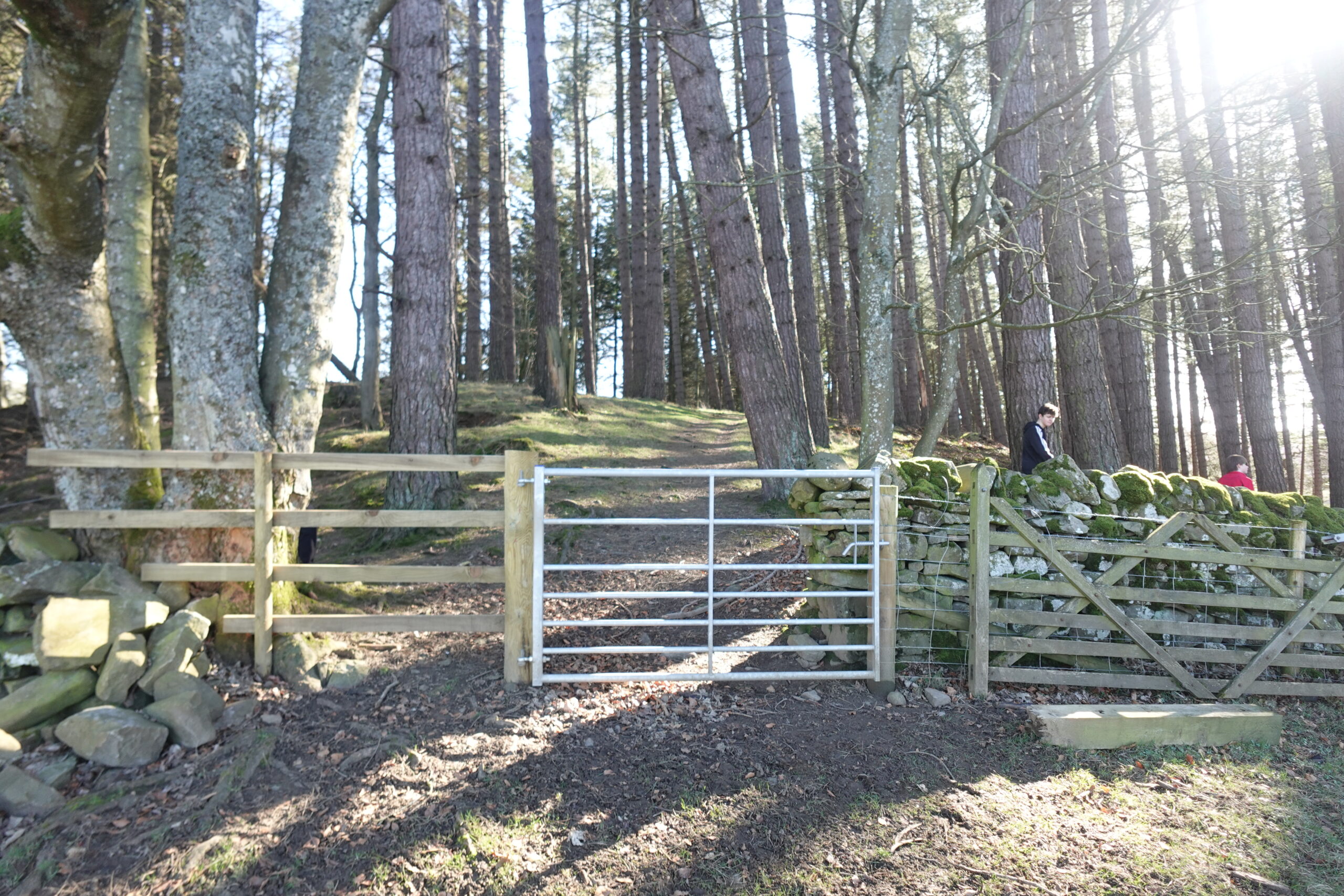
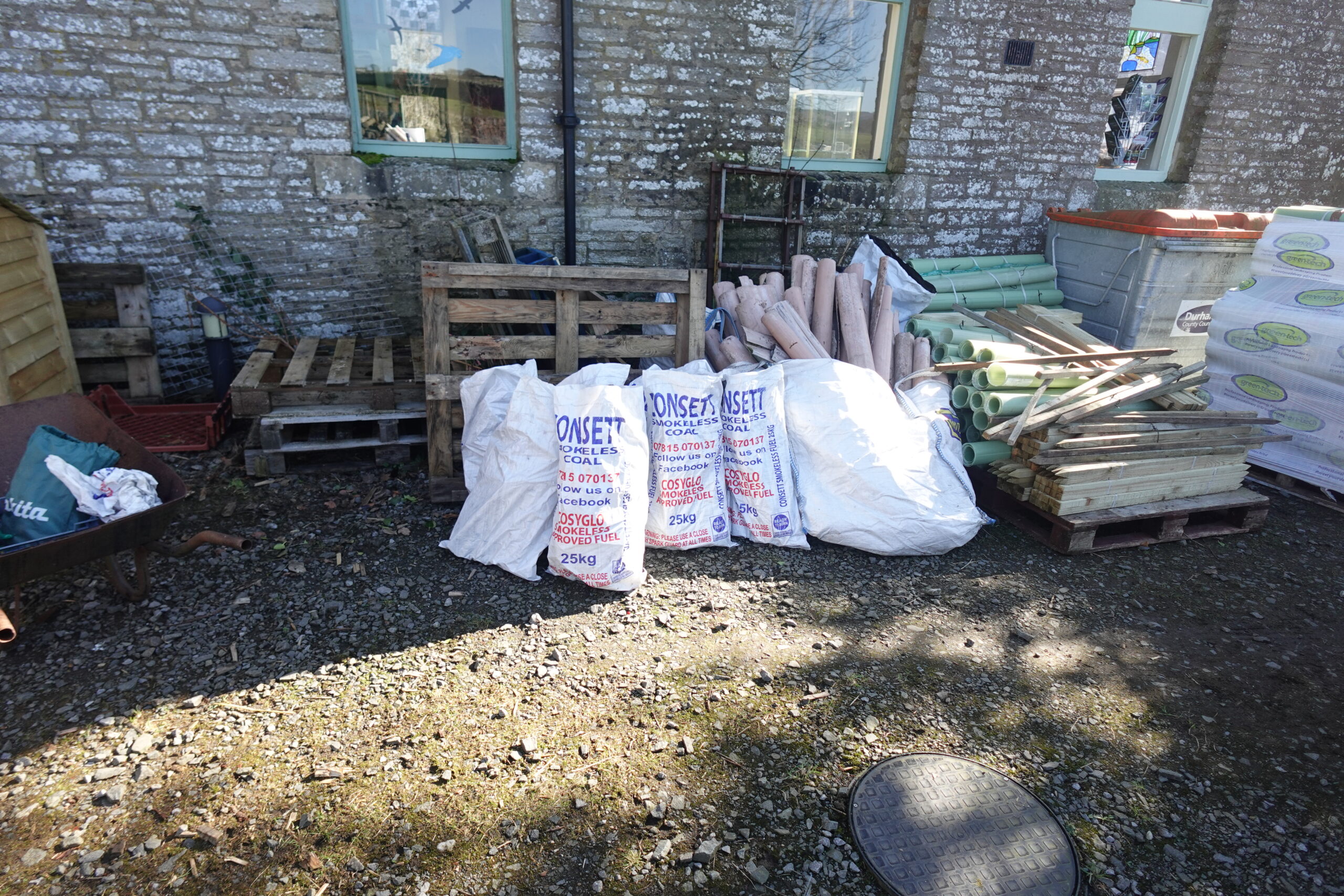
After lunch, we collected scrap pallet wood and packed it into bags. We then we went to repair a small footbridge where the wire grip had worn away. It felt good to fix something that will help keep visitors safe and reduce the effects of erosion.
At the end of the day, we headed back to the office to organise part of the storeroom, counting certain materials and making sure they were properly sorted and stored.
Wednesday:
On Wednesday, we headed straight from the office to Bowlees and walked to a shrub plantation site where hawthorn and other shrubs had been planted a few years earlier.
Along the way, we came across a trap used for stoats and weasels and Adam explained the different types of traps used. We learnt that managing predator populations helps ground-nesting birds like lapwings and curlews thrive.
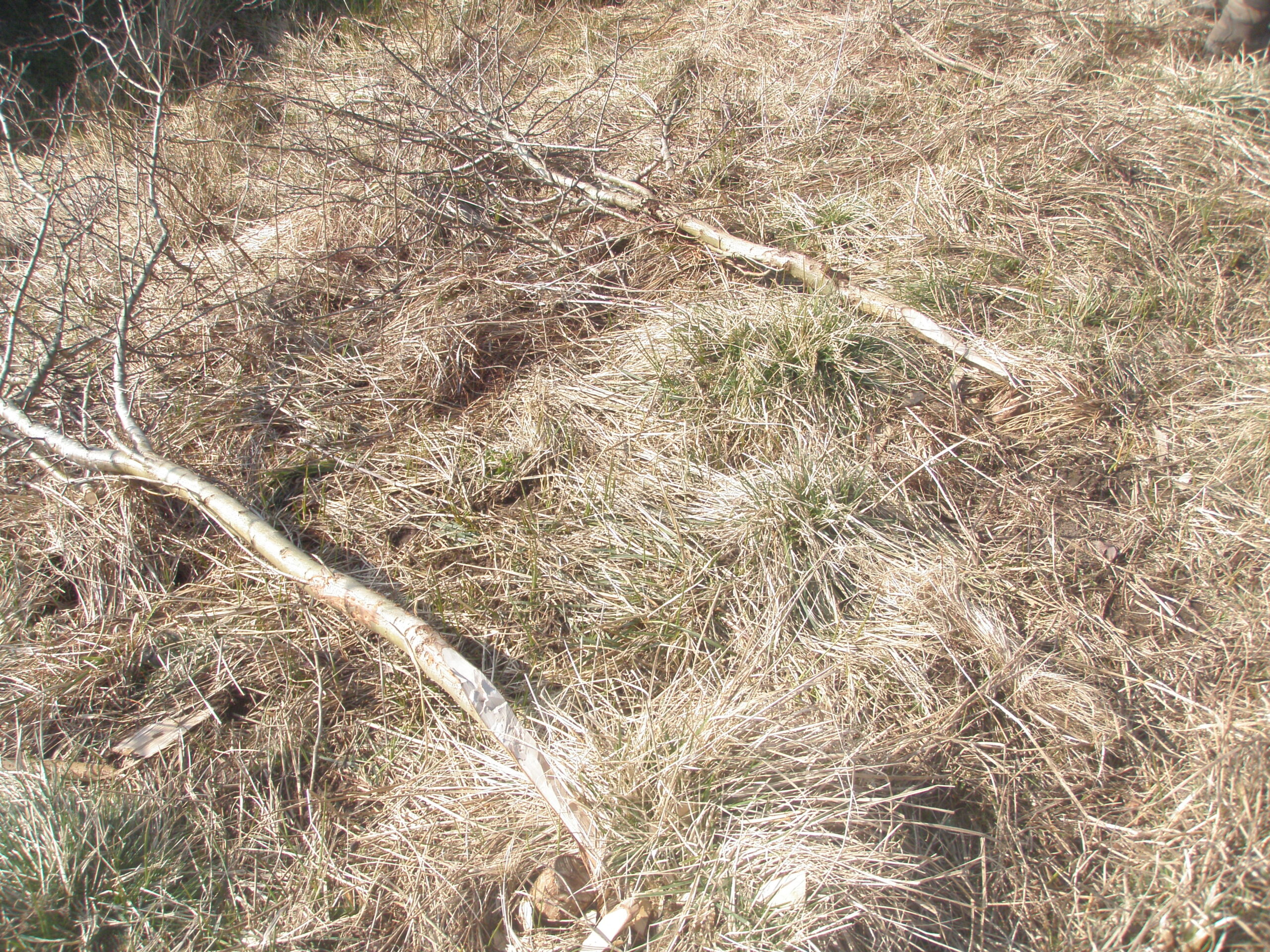
When we arrived at the site William taught us about hedge laying and how this traditional technique creates natural boundaries while still providing valuable habitats for wildlife and explained that laying hedges can significantly extend the life of hawthorn, from roughly 200 years without laying to potentially up to 1000 years when properly managed.
Before we started, there was a health and safety briefing on the safe use of cutting tools and loppers.
Then, we started removing the tree guards from the more mature shrubs and trees. Smaller trees stayed protected with their guards, which helps prevent ringbarking by voles or damage from rabbits when food is scarce.
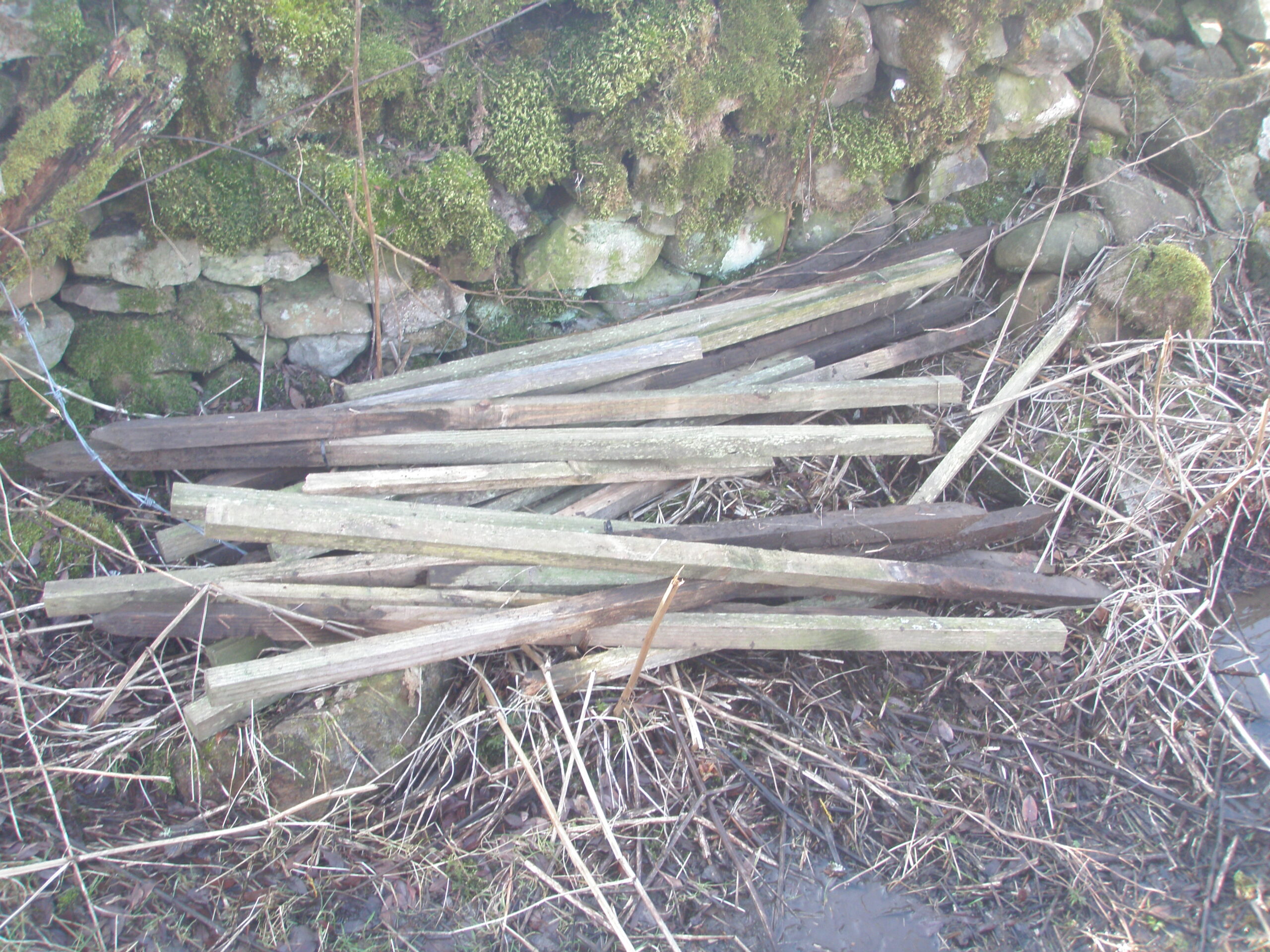
After lunch, we gathered up the wooden stakes supporting the trees and stacked them into piles to provide more habitats for wildlife. We also packed away the used guards and collected the reusable zip ties to take back with us.
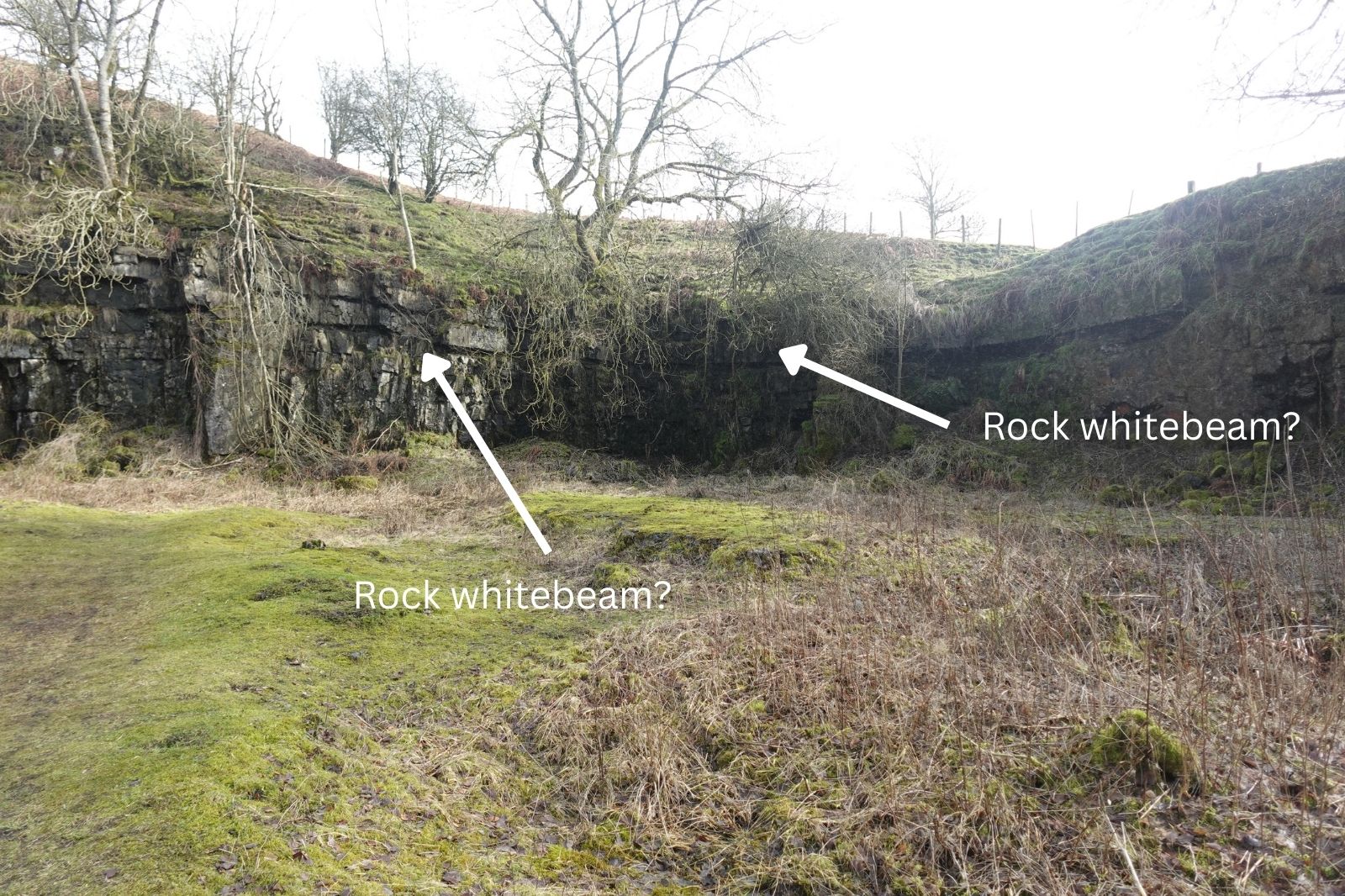
Once that was done, we headed over to the quarry at Bowlees to have a look at where we could plant Rock Whitebeam (Sorbus rupicola). This is a rare species that thrives on limestone cliffs, and the quarry has ideal conditions for it.
Thursday:
We started the day off by finishing up the family trail from Monday. Then Dave told us all about the Land of Lead and Silver Project, explaining what they do and showing us some pictures on the wall.
Later, we drove over to a site near Nenthead, which used to be an old lead mine.
Colin (the archaeology guide) explained what we’d be doing and handed out the equipment we needed. We then moved along in lines across the site, looking for anything of archaeological interest. If we spotted something, we marked it with a flag.
Next, we marked out a two-metre square area and carefully drew everything inside using precise measurements. It took quite a bit of time, but Colin reassured us that it was the same for him when he first started. We set up a string grid to help us outline the area and did our drawings on mylar drafting film (which is a special type of paper used for archaeology) with 6H pencils.
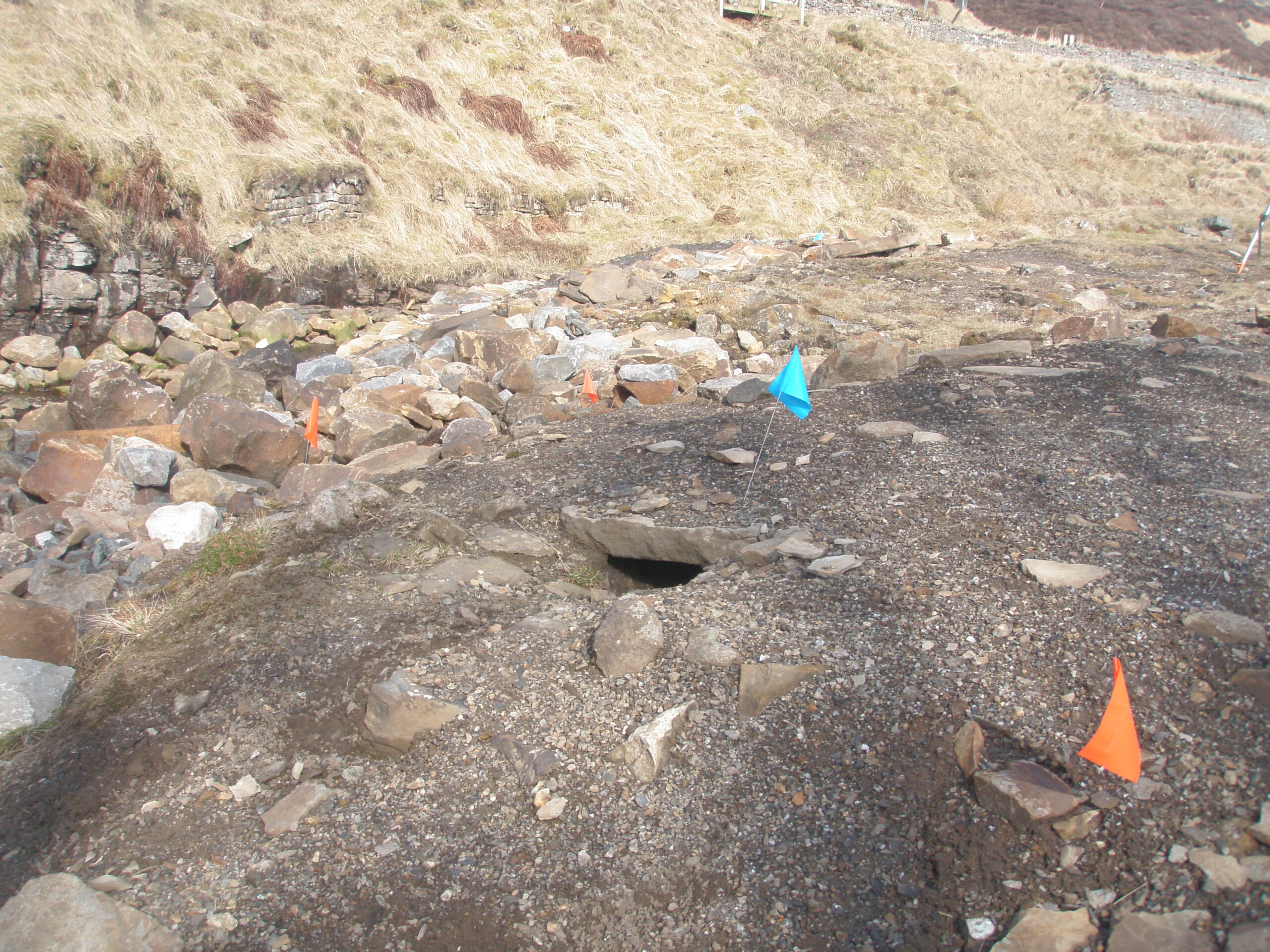
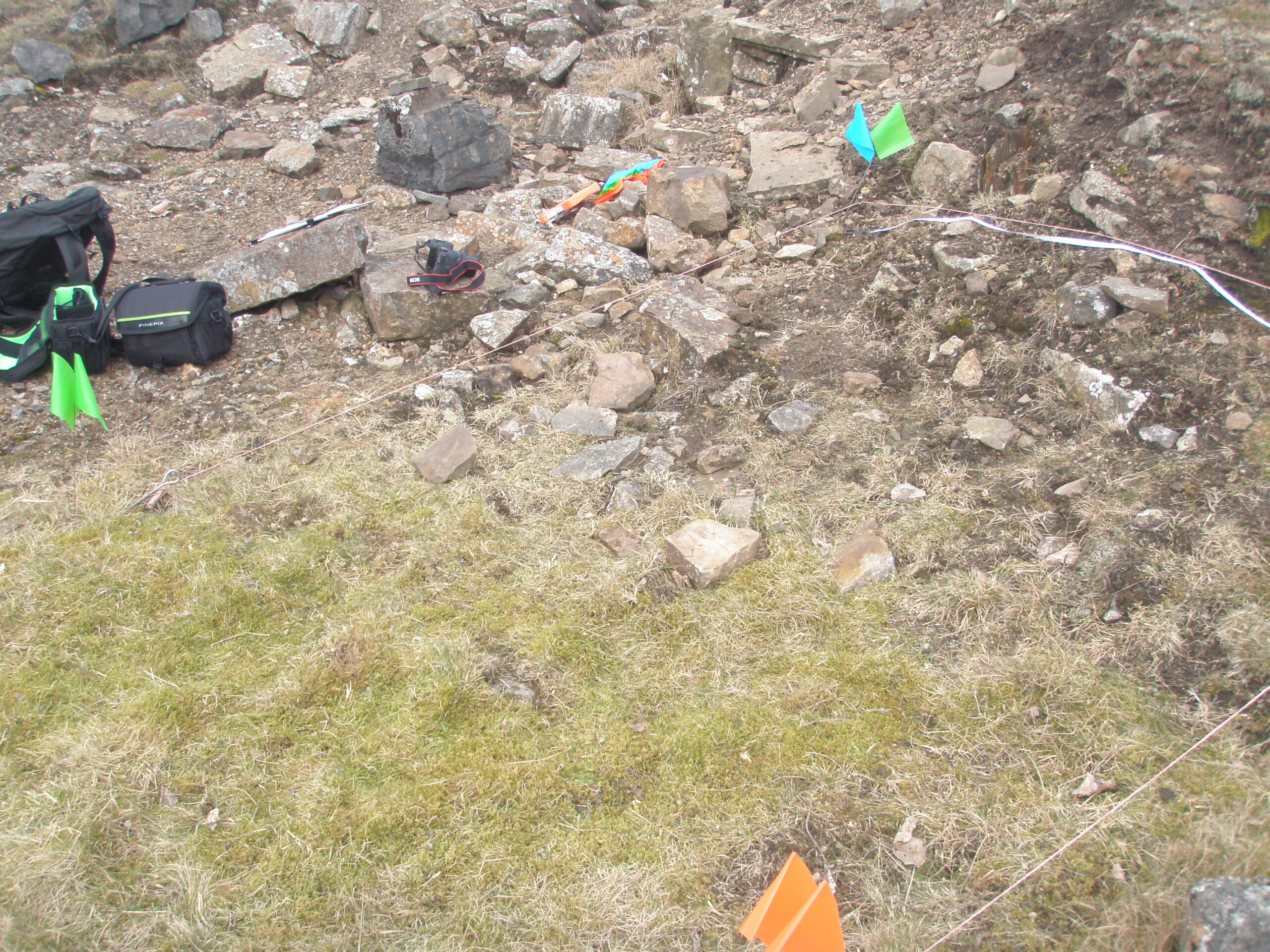
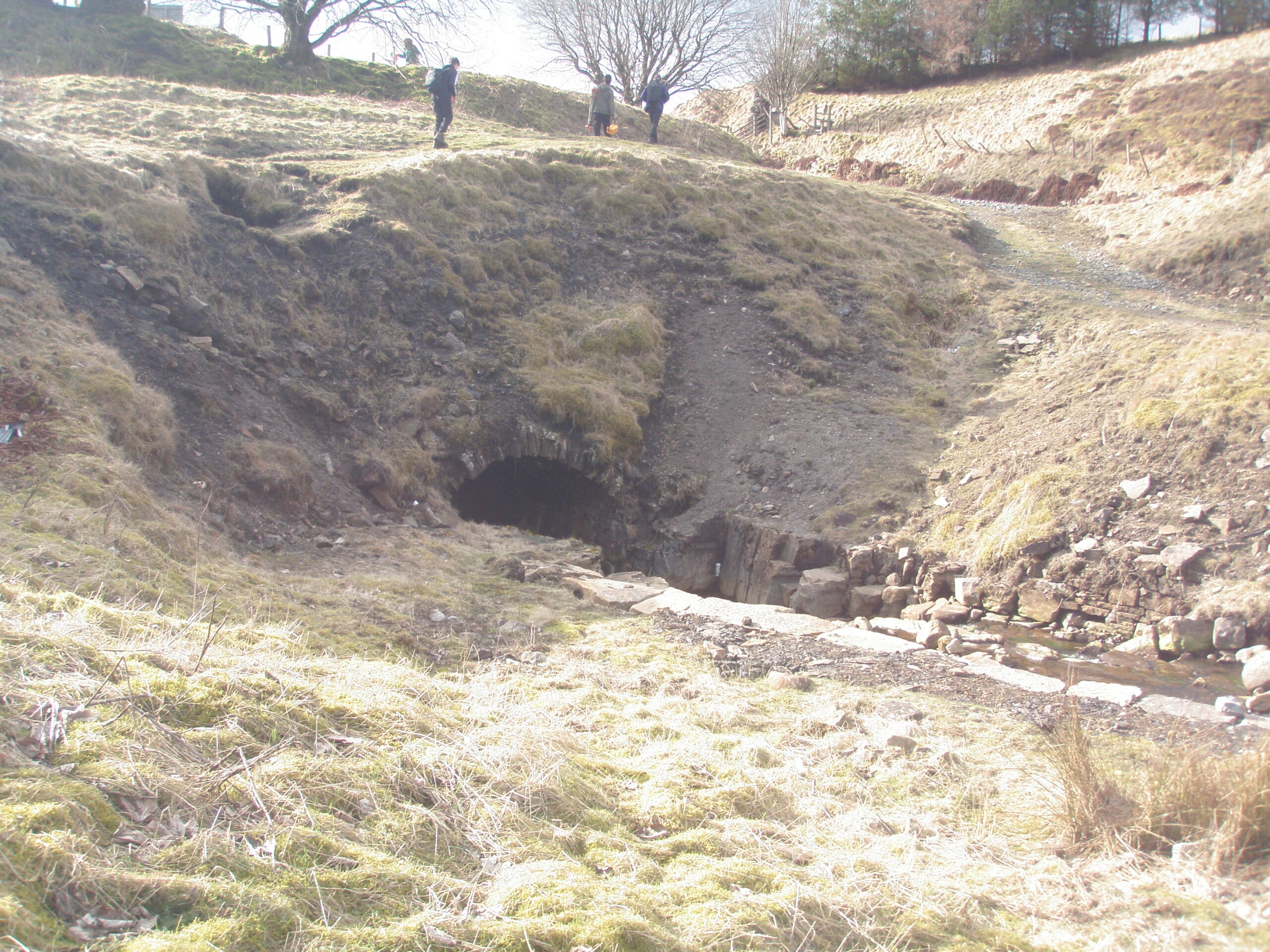
After lunch, we took photos of the site for photogrammetry which is when you use computer software to make a digital 3D version of a real thing. We overlapped the photos by 20% so that later the computer can recognise features and piece everything together properly. We also used a dumpy level and a levelling staff to record the elevation and terrain.
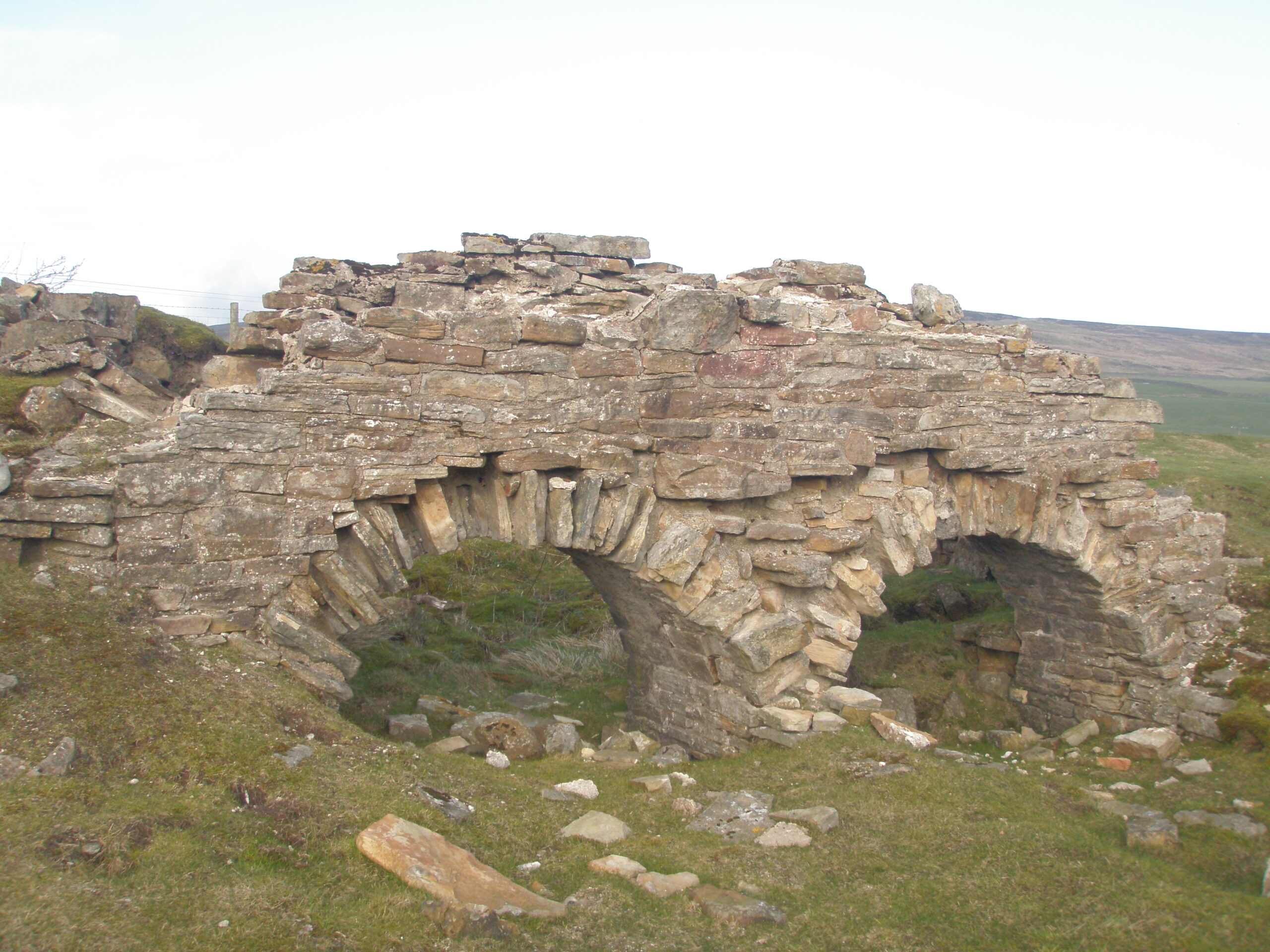
On the way back, we stopped in Rookhope to take some photos of the smaller Rookhope arches for photogrammetry.
Malachi S, Year 10, Wolsingham School
workexperience
More news and features
Did you know…




After lunch, we took photos of the site for photogrammetry which is when you use computer software to make a digital 3D version of a real thing. We overlapped the photos by 20% so that later the computer can recognise features and piece everything together properly. We also used a dumpy level and a levelling staff to record the elevation and terrain.

