News
Work experience with the North Pennines team
31 July 2026
Alice – work experience
31 July 2026
Day one
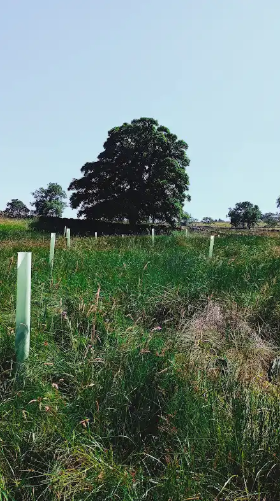
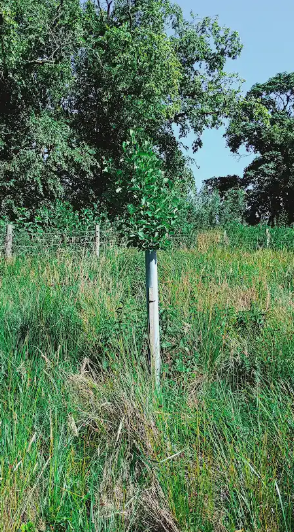
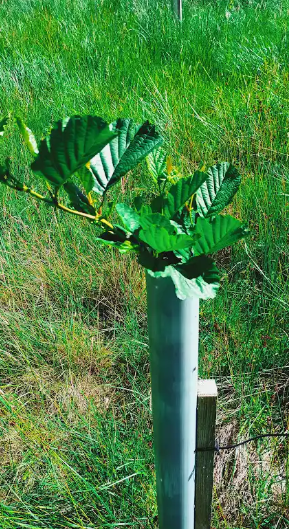
On the first day, I met with members of the North Pennines team and learnt about their individual roles and skills. Conservation Officer, Henry, told me about the work he does involving bat and bird calls. They record and identify certain bird and bat species in the area to further understand the health of the ecosystem. They use various computer systems to differentiate the frequencies of the bat species. I loved hearing about the different ways that ecosystems can be monitored and categorised. After this, I went out with Tree and Woodland Officer, Simon, to do some tree maintenance. We returned to a tree planting site from one year ago, where we checked on the saplings to see their growth progress. If any saplings weren’t growing, we removed the stake and protective guard to be recycled. The work we did will help to support the local ecosystem to encourage animal habitats and the actual physical environment.
Day two
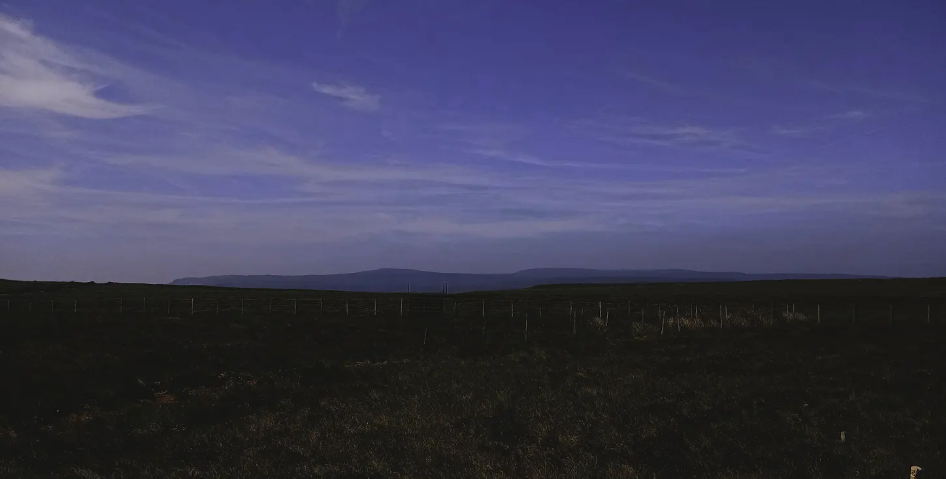
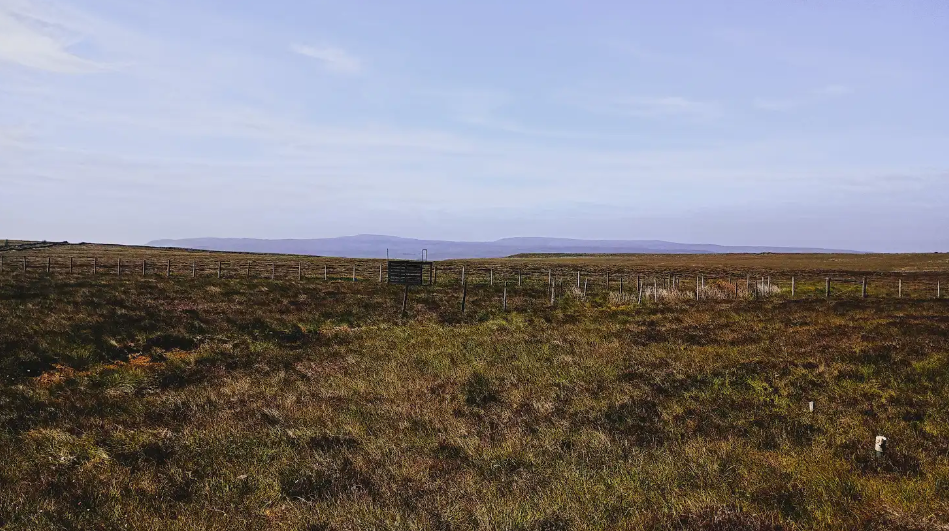
On this day, I was part of a group of five people on a peatland restoration survey. With Rebekah and Lizzy, I was looking at specific quadrat sections of the restoration sites to identify the various mosses and grasses, and other plants. Whilst I struggled to pronounce one type of sphagnum moss in particular – capillifolium – I learnt several new plants and could identify them easily. This taught me how various plants can be vital and regardless of their size, they are key when looking to restore the peatlands across the North Pennines. This was great experience to learn about the work done by the peatland restoration team and how the process takes years of repeated efforts to restore even a small area of the vast moorlands.
Day three
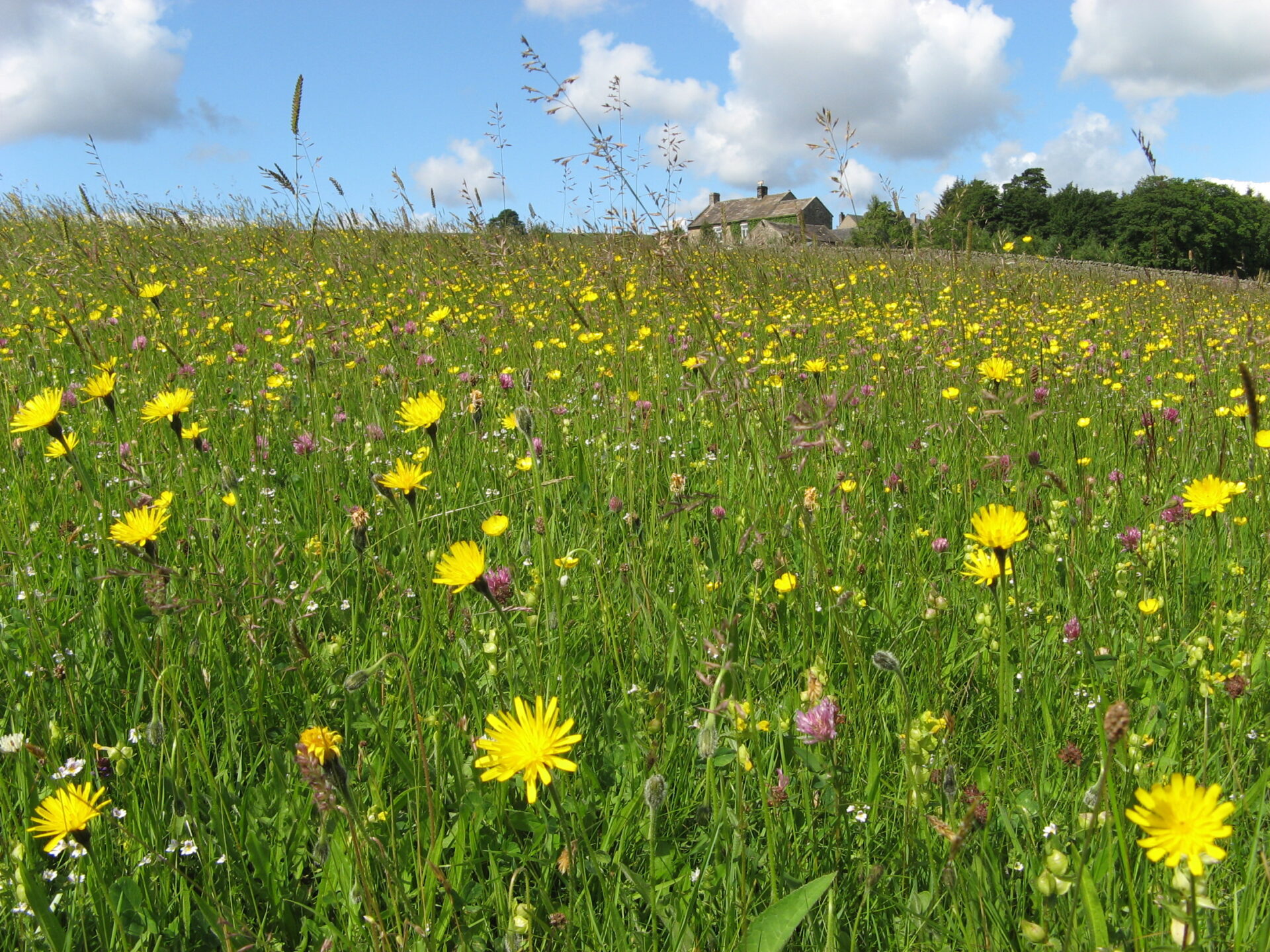
On this day, I went out with Molly, who took me to various sites where we collected seeds and soil samples. Firstly, we visited two meadows where we identified various grasses and flowers. This is part of efforts to preserve the species in England as they are a vital part of grassland ecosystems. Many farmers have collaborated with the team, to conserve and protect the rare hay meadows. After, again, learning how to identify the plants, we moved onto seed collecting. We collected creeping thistle seeds and greater knapweed seed heads. We did this again to preserve this species and plant it elsewhere in the North Pennines. Finally, we took soil samples from various fields, in which the owners gave us access to. We took these to understand the fertility and nutrient content and pH levels, to get a feel of the general soil quality in the area. I really enjoyed this day, getting an idea about the type of work that goes into meadow conservation and the variety of ways in which this is done.

Day Four
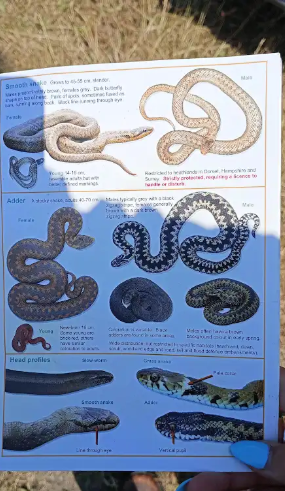
On this day I went out with Samuel and Emma, and two volunteers, looking for adders. We visited a site known for being populated by these snakes. I learned about the variation in appearance of the adders like the prominent zig-zag pattern down their backs, their red eyes with a black slit, the length of them being up to 80cm and the baby adders that can be red or blue in colour. This time of year, was when the females are pregnant and ready to give birth (gravid), so we were excited to look for them, Unfortunately, whilst we were very quiet and careful in our steps, we did not see any adders. We did however see a few lizards and many rare butterflies (as the site was also a butterfly habitat). Regardless, I did enjoy looking for adders and now I know in the future that I will be able to identify and be respectful around these creatures.
Day Five
This day was my last day, and I went out with Cat to visit two farmers who were interested in applying for a grant from the Farming in Protected Landscape programme. I learned about hedge management, roof management, planning permissions, DEFRA (Department for Environment, Food & Rural Affairs) budgets, SSSIs (Sites of Special Scientific Interest), and more. This day taught me that there is much more to farming than I thought, and there are grants for local farmers to access support with managing their land in harmony with nature.
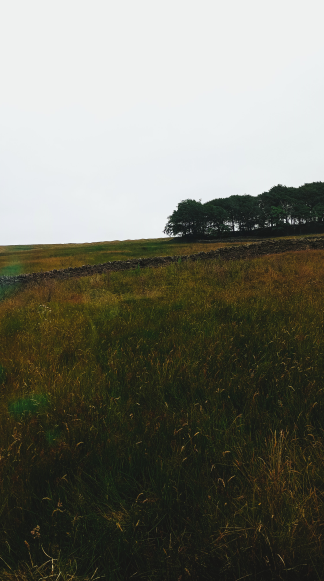
I have enjoyed my week of work experience and I now have a greater understanding of the conservation work of the North Pennines National Landscape team.