News
Press release
28 September 2026
Landscape-scale partnership programme leaves a lasting legacy for nature, farming and communities
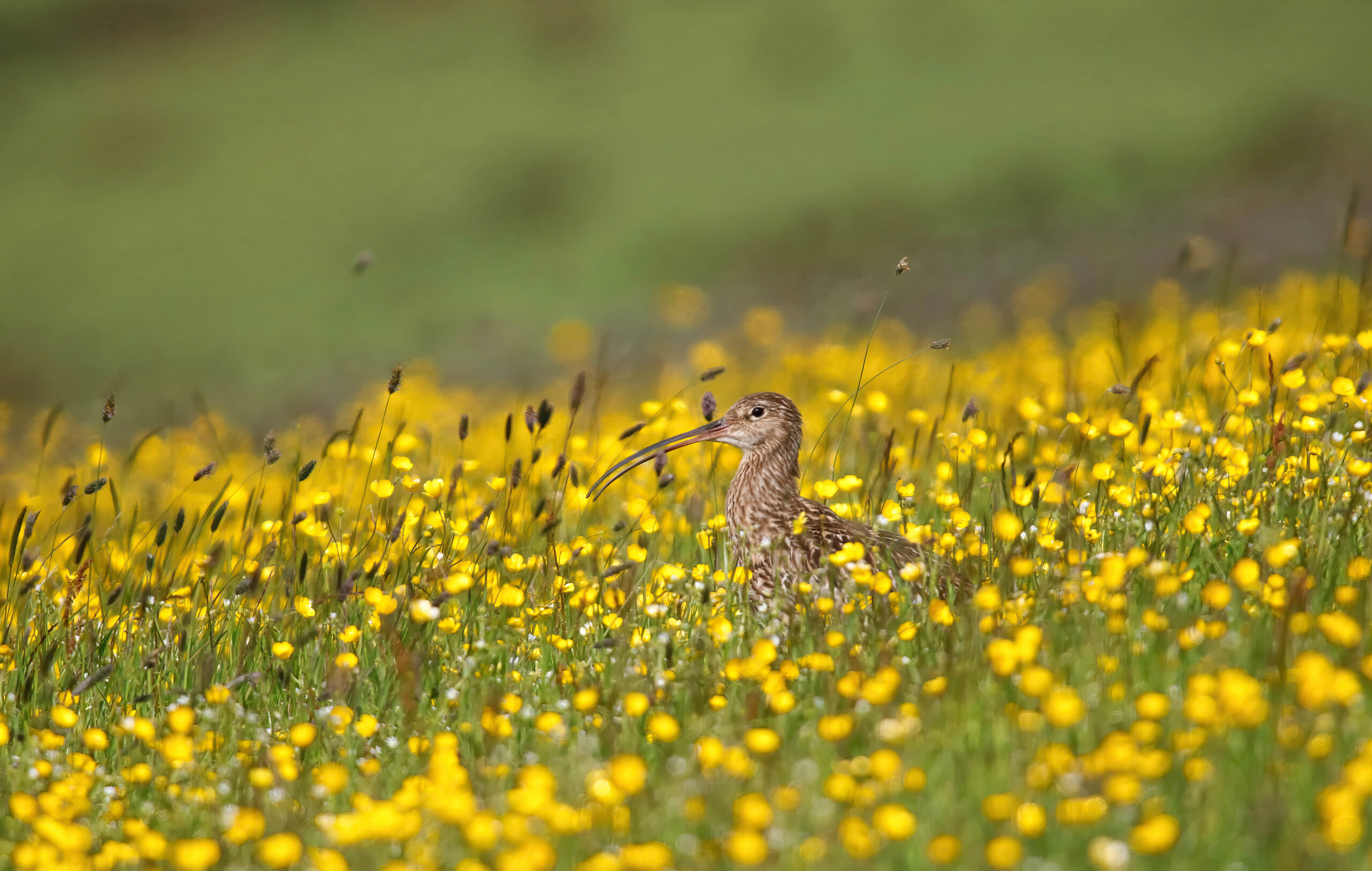
3961 hectares of land restored or enhanced, including peatland, woodland, grassland and habitat for wading birds:
- 200 farmers across Teesdale and Swaledale involved in the programme
- 1,607 hectares of peatland under restoration
- 1,841 hectares of wetland and rush habitat improved
- 110 hectares of woodland created, restored and enhanced, and 8km of hedgerows planted
- 284 hectares of grassland restoration or enhancement
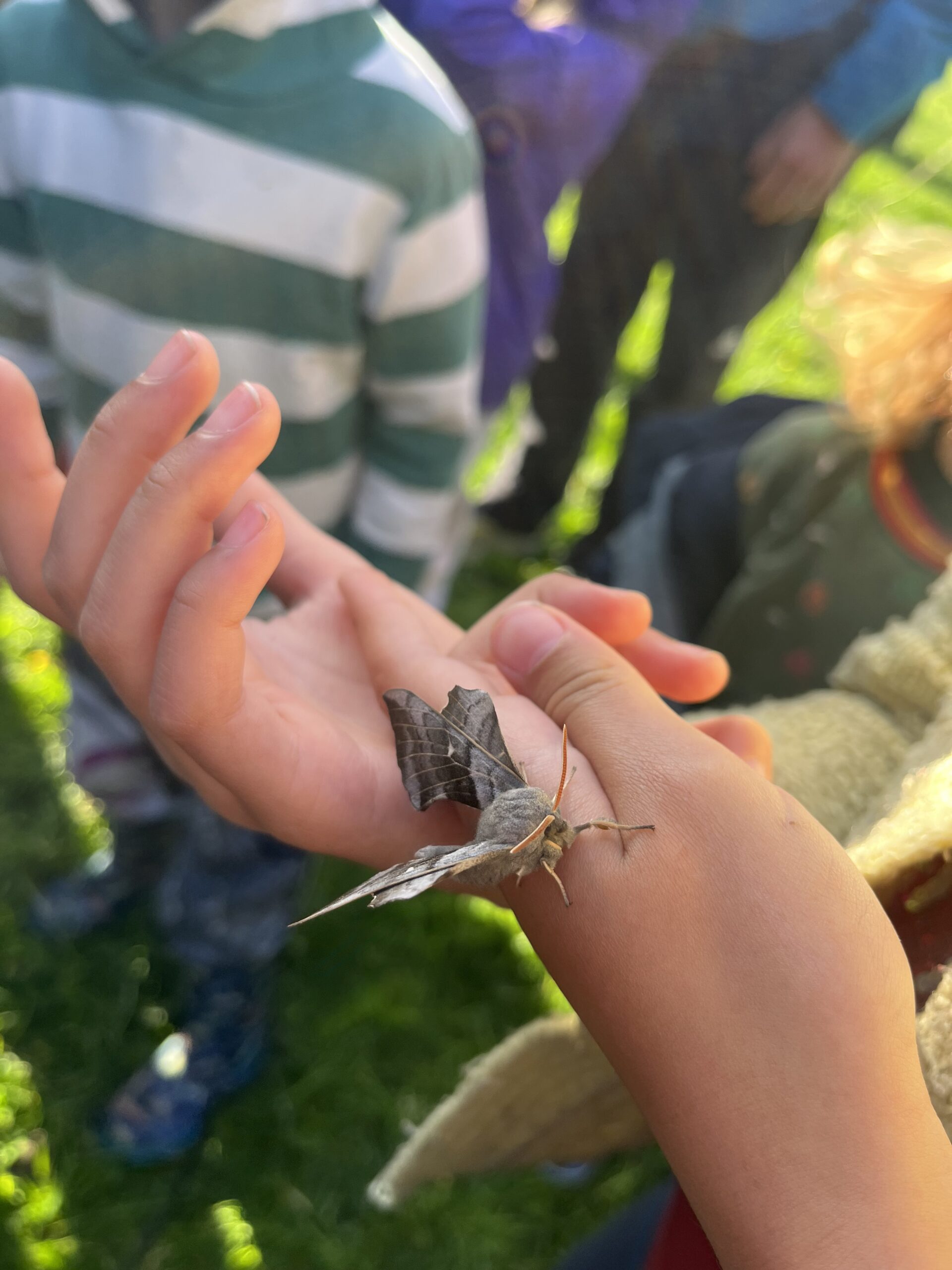
- 18,900 adults and 3,600 young people participating in 388 scheme activities and events
- 450 volunteers dedicated 6700 hours to restore nature and improve habitats
A landscape-scale programme spanning large upland areas of the North Pennines and Yorkshire Dales is being celebrated as funding comes to an end, as the work leaves a legacy of improved habitats, stronger partnerships and people more connected with nature and farming.
Funded by The National Lottery Heritage Fund and led by the North Pennines National Landscape team and the Yorkshire Dales National Park Authority, the Tees-Swale: naturally connected programme has demonstrated how collaborative working can deliver meaningful benefits for nature, people and place.
Over the past six years, farmers, landowners, communities, conservation organisations and public bodies have worked together through Tees-Swale: naturally connected to improve habitats, support wildlife and strengthen connections across 845 square kilometres of some of England’s most treasured upland landscapes.
From the outset, farmers and land managers were at the heart of planning and decision-making. Their knowledge of the land, often built up over generations, helped shape activity across the project area, ensuring that improvements made at field and farm scale combined to create benefits across the wider landscape.
As a result, habitats have been restored and enhanced, wildlife has benefitted, and monitoring has already shown positive outcomes through species records, habitat condition assessments and improvements to water quality.
Professor Sir John Lawton, chair of the board of Tees-Swale: naturally connected, said: “When the board I chaired published Making Space for Nature in 2010, I never imagined that I would have the chance to help to put its principles of more, bigger, better, and more joined up landscapes into practice.
“The opportunity came when I was asked to chair what was to become Tees-Swale: naturally connected, a joint bid to The National Lottery Heritage Fund over 840km² of the North Pennines and the Yorkshire Dales. I’ve loved every minute. The scale of the efforts to deliver ‘more, bigger, better and joined’ across this landscape is staggering and has mostly exceeded original targets.
“As the programme comes to an end, I am pleased that so many farmers have shown that they can both farm their land profitably and make space for nature.
“Cherish this landscape, its people and its wildlife. It is very special.”
A key aspiration from the start was to build connections that would last beyond the lifetime of the funding. Alongside practical conservation work, the project has invested heavily in relationships, creating stronger links between nature and people, between communities and organisations, between farmers and the public.
Work has also focused on sharing knowledge and building skills. Through traineeships, volunteering opportunities, events, training and community activities, people of all ages have gained new experiences and developed a deeper understanding of the natural and cultural heritage of the area.
These opportunities have helped strengthen local capacity, ensuring communities are better prepared to respond to future challenges and opportunities.
Chris Woodley-Stewart, Director of the North Pennines National Landscape team, said: “One of the biggest achievements of Tees-Swale: naturally connected has been showing what is possible when people work together at a landscape scale. With farmers and land managers at the centre of the project, and bringing together a wide range of partners, together we have all made gains for nature while building the relationships and trust needed for future success.
“The nature and wildlife benefits created through the programme across thousands of hectares are significant, and although monitoring shows impact already, these enhancements will only increase over time as habitats become more established.
“Through Tees-Swale we have helped more people understand just how special these upland landscapes are, the wildlife they support and some of the people who help shape and sustain them.”
The partners have also helped people from both within and beyond the area develop a greater appreciation of the landscape, building stronger connections between residents, visitors and the farming communities who help care for these nationally important places.
Gary Smith, Acting Chief Executive of the Yorkshire Dales National Park Authority, said: “The real success of the programme is not just what has been delivered on the ground in areas like Swaledale and Arkengarthdale, but the relationships and trust it has built.
“By bringing farmers, landowners and local organisations together to tackle shared challenges, learn from one another and explore new approaches, the project has strengthened local partnerships that will be vital for nature recovery in the years ahead.
“And that work doesn’t stop here. We remain committed to working with farmers and landowners across the wider landscape. We will continue to offer support, advice and encouragement to help farmer groups and clusters thrive, ensuring that the momentum and shared ambition created through the project continues well into the future.”
Although the funded programme has now concluded, teams in the North Pennines and the Yorkshire Dales will continue to support farmers and land managers in their work to look after these protected landscapes.
Helen Featherstone, Director, England, North at The National Lottery Heritage Fund, said: “Landscapes and nature form the bedrock of our culture and heritage, but over recent years the scale of nature loss and people’s disconnection from the natural world has become increasingly stark.
“Tees-Swale has been an ambitious and forward-thinking programme that demonstrates what can be achieved through working collaboratively. The efforts of everyone involved have resulted in boosting biodiversity, mitigating climate change, and connecting people to nature – remarkable achievements that align firmly with our key priorities at the Heritage Fund.”
Thanks to National Lottery players
You may also like...


Did you know…