News
Dark skies for people and nature (part two)
27 October 2026
Dark skies for people and nature (part two)
Steve Trotter, Chair of the North Pennines National Landscape Partnership and Chief Executive at Cumbria Wildlife Trust, looks at the effects of artificial lighting on wildlife.
Bright or poorly directed artificial lighting can interfere to varying degrees with the behaviour of nocturnal animals. It can affect their feeding, migration, navigation and breeding patterns and a wide range of species are affected including bats, birds, and insects.
Many insects are most active at dusk and in the first few hours after dark when humidity levels tend to be higher and there tend to be fewer predators around (such as birds). A wide range of the natural behaviours of groups such as moths, beetles, craneflies, midges, and caddisflies amongst others can be disrupted by their attraction to – or repulsion from artificial light sources as they misinterpret the artificial light for the moon or natural night time reflections. For example, light can distract and disrupt their feeding, mating, and navigation behaviours. Some like moths are particularly attracted by ultra-violet lamps at which they appear to become almost ‘entranced’ and circle lights endlessly, seemingly trapped by their beam. This can lead to exhaustion, increased exposure to predators (one reason why some bat species are drawn to street lights), failure to find a mate and potential mortality. Isolated point sources can attract a large proportion of insects from a wide area and create a ‘vacuum’ effect, denuding the adjacent dark habitats (such as gardens and woods) of insects that otherwise might be pursued by natural predators like bats.
Artificial light can interfere with insect reproduction by masking the natural light cues from the moon and stars and disrupt their ability to find mates or suitable breeding habitats.
Some nocturnal insects like moths play an important role as pollinators in the ecosystem. Research has shown that artificial lighting can reduce night-time wildflower pollination. Plants such as the greater and lesser butterfly orchids, honeysuckle and red valerian amongst others are all pollinated by night-flying moths.
It’s easy to see how over a long season and across several years, artificial lights could have a major impact on the abundance of insects in the local lit-zone around them.
Birds are particularly affected by artificial light during migration. Many species migrate at night using a combination of natural cues such as the Earth’s magnetic field, the position of the setting sun and star patterns to navigate. Artificial light sources can disorient high-flying migratory species, causing them to fly off course towards the light source; they can become exhausted, or collide with buildings and other structures. In North America, one study estimated that some 599 million birds a year collide with buildings as a result.
Bright lights can also alter feeding, breeding, and sleeping patterns, disrupting the natural rhythms and ‘internal body clocks’ that birds depend on (although a few species may benefit from additional light).
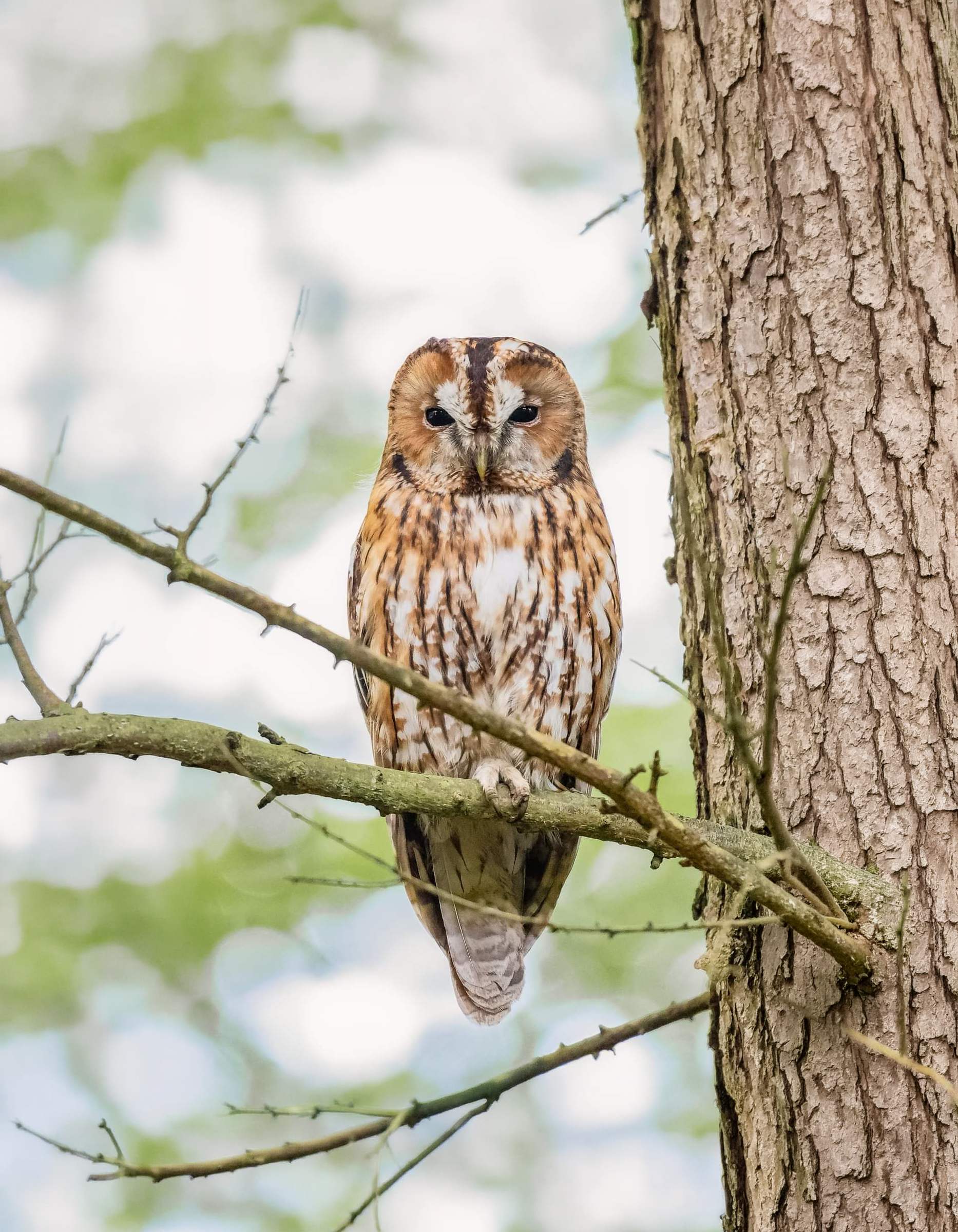
Tawny owls, for example, hunt predominantly using sound cues on very dark nights but have good eyesight, we can speculate that they’re more successful under the lights from streets or houses in semi-urban woodland areas. Insect-feeding species may also benefit from street lights.
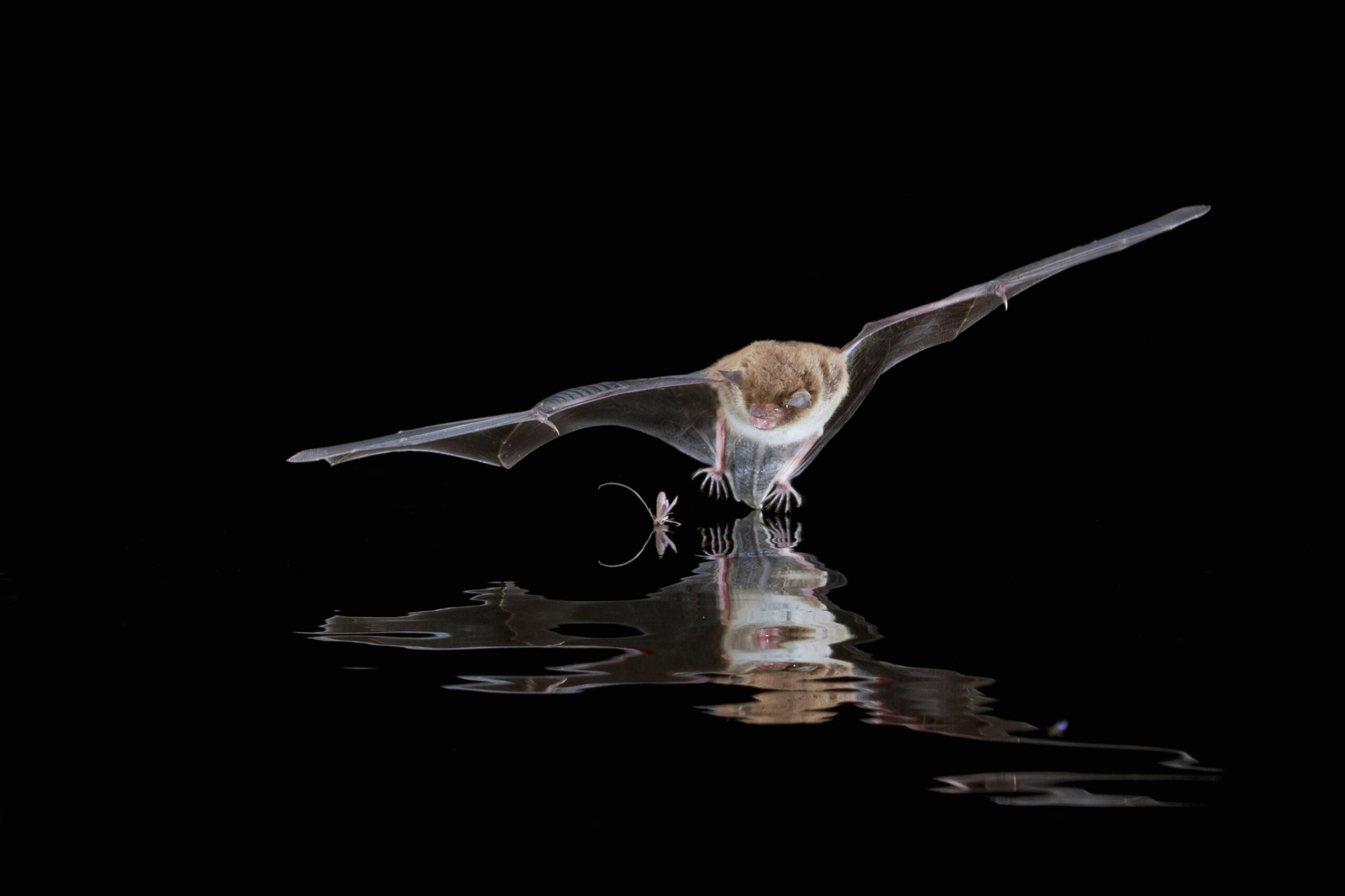
Bats are nocturnal animals that have evolved to live and hunt in complete darkness probably because that’s when their insect food is most abundant and also because there are fewer of their own predators around.
Bright lights near roost entrances can disturb, delay or prevent bats from leaving their daytime roosts – and is likely to result in otherwise good roost sites being deserted or not used. Delays in emergence can be significant for colonies because insects are most abundant at dusk and in the first few hours after dark – so any loss of foraging time early in the night can have a significant impact even if it’s just for a short time.
In the open, many of the slower-flying bat species avoid illuminated areas altogether. This can fragment their habitats and cut off important commuting routes between roosts and feeding sites. Species like brown long-eared and Natterers’ bats go to great lengths to avoid illuminated areas. Background illumination may also increase the risk of attack by predators and reduce the bat’s access to insect prey.
The Management Plan for the North Pennines has suggested measures to reduce light pollution, benefitting human health and wellbeing, and a wide range of wildlife. Read part one of Steve’s blog to find out more about this.
Images:
Daubenton’s bat – iStock.com/Agami stock
Tawny owl – Cameron Sharp Photography