
News
New project launched to secure the future of rare Lady’s-mantles in Teesdale and Weardale
17 November 2026
New project launched to secure the future of rare Lady’s-mantles in Teesdale and Weardale
A new three-year conservation project has been launched to help secure the future of some of Britain’s rarest wildflowers in the North Pennines National Landscape.
The Alchemilla project was awarded £247,440.83 through Natural England’s Species Recovery Programme and brings together the North Pennines National Landscape team, Teesdale Special Flora Research and Conservation Trust, and Natural England. The aim of the project is to conserve five nationally rare species of Lady’s-mantle (Alchemilla) found in their UK stronghold in Teesdale and Weardale.
Running until March 2029, the project will combine scientific research, habitat restoration, seed conservation, plant propagation, volunteer training and practical conservation action to improve the long-term prospects for these remarkable plants.
Although little known outside botanical circles, the five target species – Alchemilla acutiloba, A. monticola, A. glomerulans, A. subcrenata and A. wichurae – form part of the internationally important flora of Upper Teesdale and the wider North Pennines National Landscape. Several have highly restricted distributions, making Teesdale and Weardale critical to their future survival.
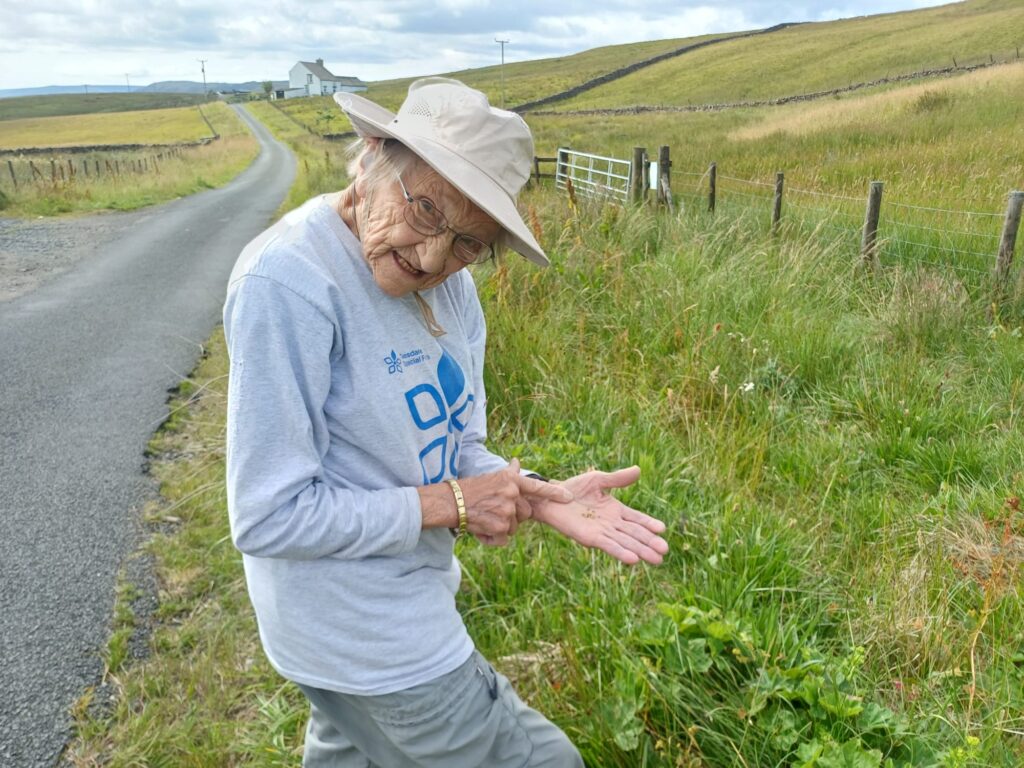
The project will work with botanists, volunteers, farmers, land managers and local communities to better understand the status of these species. By identifying the factors affecting their survival, the project partners will be able to deliver practical measures to strengthen vulnerable populations.
Over the next three years, the project will:
• Collate and digitise historic records of rare Lady’s-mantle species
• Survey around 50 locations annually and review approximately 180 historic records each year
• Train volunteers, botanists and land managers in species identification and monitoring
• Develop habitat management plans and undertake management trials at priority sites
• Collect and conserve seed from rare populations, working with Kew’s Millennium Seed Bank
• Grow around 350 plants each year for conservation purposes
• Establish conservation planting and reintroduction plots
• Create a living conservation collection at Bowlees Visitor Centre
• Secure long-term management agreements and monitoring beyond the life of the project
The habitats where rare Lady’s-mantles can be found include species-rich upland hay meadows, riverbanks, road verges and grasslands. By improving conditions for these plants, the project will also benefit a wide range of other wildflowers, pollinating insects and associated wildlife.
The project partners see the initiative as an important contribution to wider nature recovery efforts in the North Pennines, while celebrating the area’s internationally recognised botanical heritage.
Chris Woodley-Stewart, director of the North Pennines National Landscape team, said: “Teesdale and Weardale support some of Britain’s most important populations of rare Lady’s-mantles. By combining research, practical conservation and the knowledge of local people, this project will help us better understand these plants and take action to secure their future.
“Volunteers, botanists, farmers and land managers all have a vital role to play. The project is about protecting rare species, but it is also about supporting healthier habitats and strengthening the skills and expertise needed for long-term conservation.”
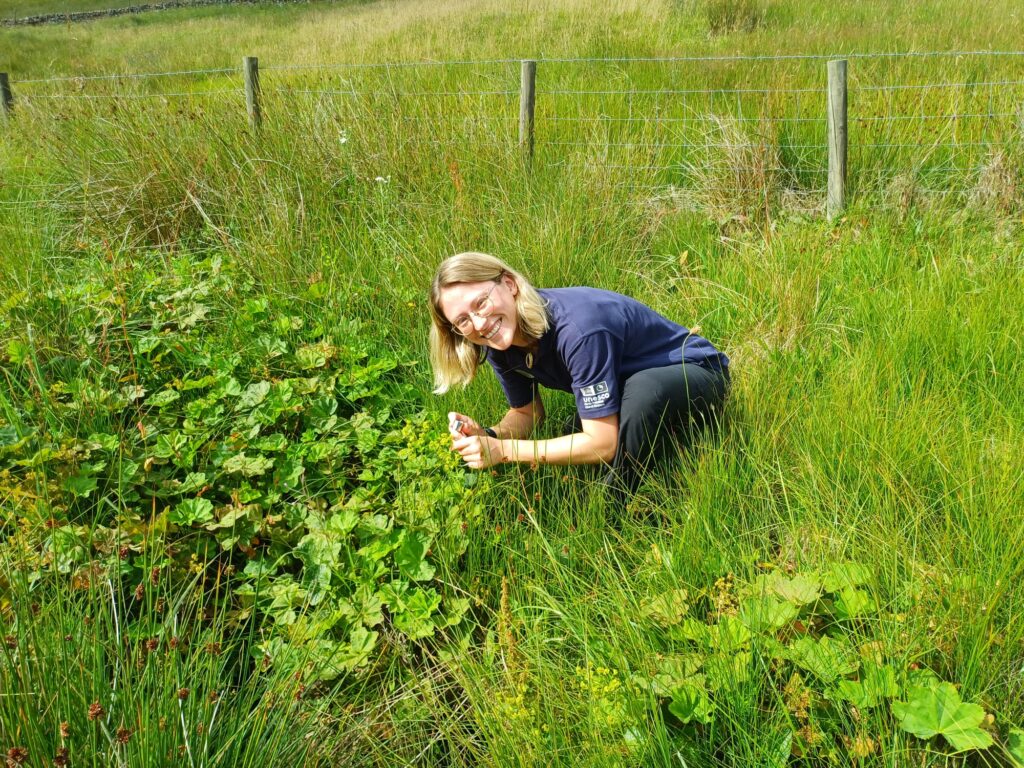
Dr Margaret Bradshaw said: “I have studied the rare Alchemillas in Teesdale and Weardale since the 1950s. I continue to survey and teach others how to identify these species.
“I am delighted that this three-year programme will update and take forward the knowledge I have built up, to secure the future of these species of which three are almost only confined to County Durham.”
Meg Bamford has been appointed as Conservation Officer for the North Pennines National Landscape team to work on this project. Initial work during 2026 will focus on collating historical records, planning surveys and engaging volunteers. The first seed collection activities have also taken place, helping to establish a foundation for future conservation work.
People interested in volunteering opportunities or learning more about the project will be able to follow updates through the North Pennines National Landscape website and social media channels.
ENDS
Notes for editors
1. Contact Sarah Hudspeth, Communications Lead from the North Pennines National Landscape team for further information – shudspeth@northpennines.org.uk Phone: 01388 528801 / 07768 123247
2. Images are attached. For alternative images, please contact the communications team on communications@northpennines.org.uk
3. The North Pennines National Landscape is one of England’s most special places – a peaceful, unspoilt landscape with a rich history and vibrant natural beauty. It was designated as an Area of Outstanding Natural Beauty (AONB) in 1988. The purpose of this nationally recognised designation is the conservation and enhancement of the natural beauty of the area.
4. At almost 2,000 sq. kilometres the North Pennines is the second largest of the 46 National Landscapes (in England, Wales and Northern Ireland) and is one of the most peaceful and unspoilt places in England. Visit www.landscapesforlife.org.uk for information about the National Landscapes family.
5. The North Pennines lies between the National Parks of the Lake District, the Yorkshire Dales, and Northumberland with the urban centres of County Durham away to the east. Parts of the National Landscape are within the boundaries of four local authorities; Cumberland Council, Durham County Council, Northumberland County Council, and Westmorland & Furness Council.
6. The North Pennines National Landscape Partnership is an alliance of public, statutory and voluntary sector bodies with an interest in the future of the North Pennines. The work of the Partnership is carried out by the National Landscape team which takes action to conserve and enhance the natural beauty of the area, to raise awareness of its special qualities and to improve the quality of life for local people.
7. UNESCO Global Geopark – As well as being a National Landscape, the North Pennines is a UNESCO Global Geopark. This puts the area’s Geopark status in the same UNESCO family as World Heritage Sites and Biosphere Reserves. UNESCO Global Geoparks are places with outstanding geology where special effort is made to make the most of geological heritage to support community and economy. Locally this includes producing geo-trails, developing projects with school and community groups, producing displays for visitor attractions and holding geology festivals and events.
8. Teesdale Special Flora Research and Conservation Trust aim to promote, for the public benefit, the protection, conservation and improvement of the physical and natural environment and biodiversity. The Trust works to raise awareness of the fragility of the Teesdale special flora and the importance of protecting it, conducting botanical surveys, supporting the Upper Teesdale Botany Group, and encouraging public interest through guided walks, lectures and exhibitions.
The Trust and the Upper Teesdale Botany Group are entirely managed and run by volunteers.