
News
Meeting Caldwell Harpur
11 September 2026
Meeting Caldwell Harpur
Blog by Gerry Ryan, volunteer
11 September 2026
The first day I get to know Caldwell Harpur is Wednesday 1 May 1907. He’s up at 12.40am to walk from his home, Cherry Tree Cottage in Nenthead, to Cross Fell. Even though it’s snowing (yes, in May, but this is the North Pennines), there’s “moonlight behind the clouds” and he feels in “perfect health” and so he resolves not to give up on his trip. To be on the safe side, he tells his wife, Annie, to send out a search party if he’s not back by 11.00am.
I enjoy every step of his trip, taking in many of the local sites, including Rampgill lead mine, Garrigill Chapel, Long Man Hill, where the drifts are 40 to 45cms deep (Caldwell is very much into the metric system, just one of his many modern and diverse interests), and Slatesike mine, by which time he’s rather frightened at his many falls, knowing if he damages himself seriously he’ll not be found till 3pm at earliest. Luckily, he’s home safe by 10.15am.
There’s still plenty more happening for the rest of the day, including a glimpse of Mrs Park (who he admits he’s “involved” with in a letter to his brother Reginald – Caldwell doesn’t believe in monogamy). Mrs Park has told Annie she’s a “fool” for re-joining the Choral Union because “no-one in Nenthead can sing”. Rose, Caldwell’s daughter (although he claims not biologically), has met the new doctor – Doctor Waters – who says the last doctor left the house a “pigsty”. As if that’s not enough, Annie has a May Day tea party, and the henhouse in the rain gauge field has been pulled down revealing a nest of young rats under it.


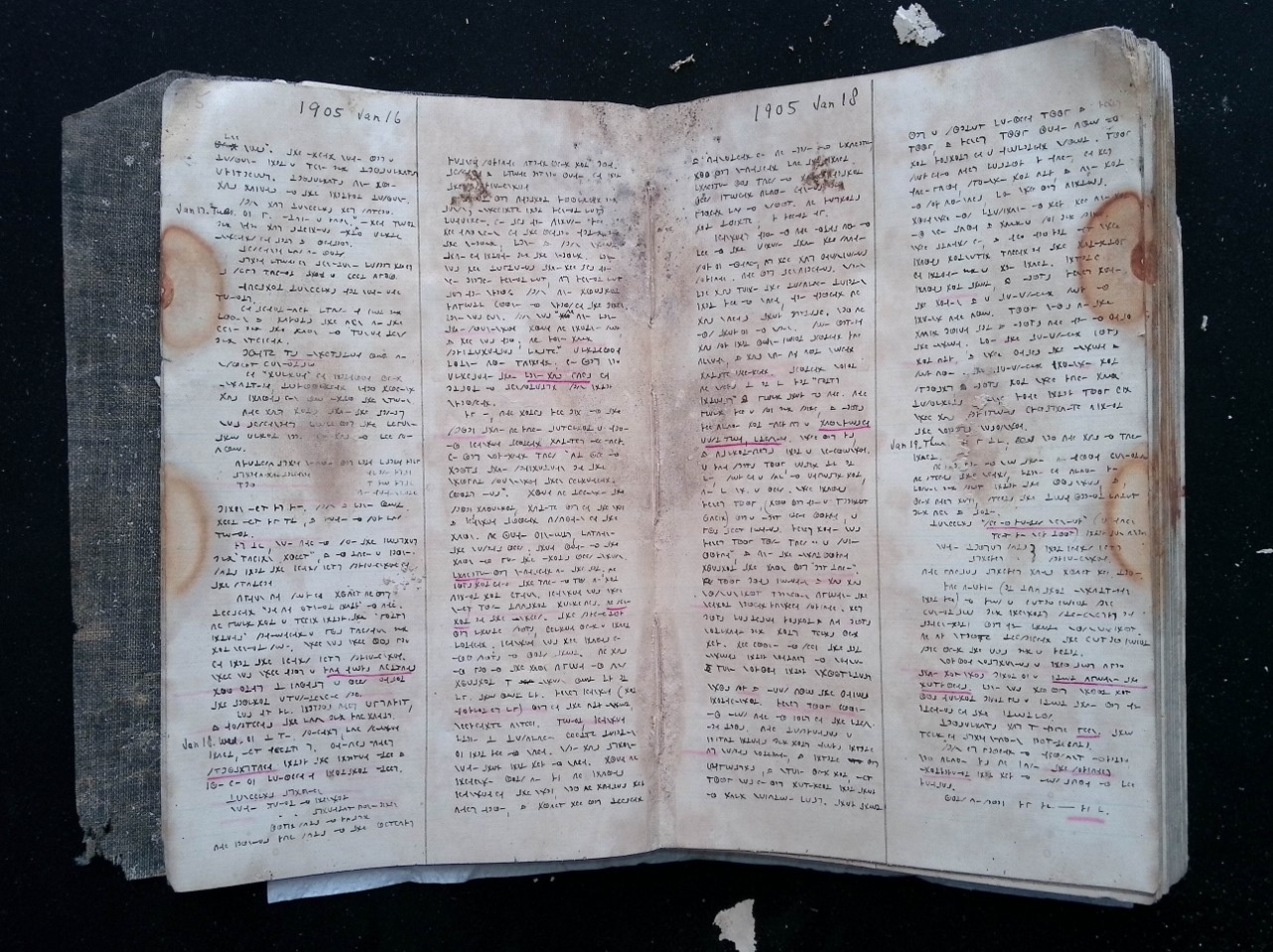
As a volunteer on this research project to translate Caldwell’s diaries, I am hooked. The joy of chipping away at each diary entry, translating from Caldwell’s own language of Lenish into phonetic English to reveal his life in Nenthead over a century ago is nothing less than finding treasure. It’s also about a human connection through words and language across the years and a shared love of the landscape of the North Pennines.
Caldwell once wrote: “This life of a crank gives me some pleasure. Though it would give me more pleasure if I could look forward to a similar crank reading it.” We can only imagine how much pleasure it would give him to know there’s a whole team of us similar cranks feeling so privileged to be reading it and treasuring every word.
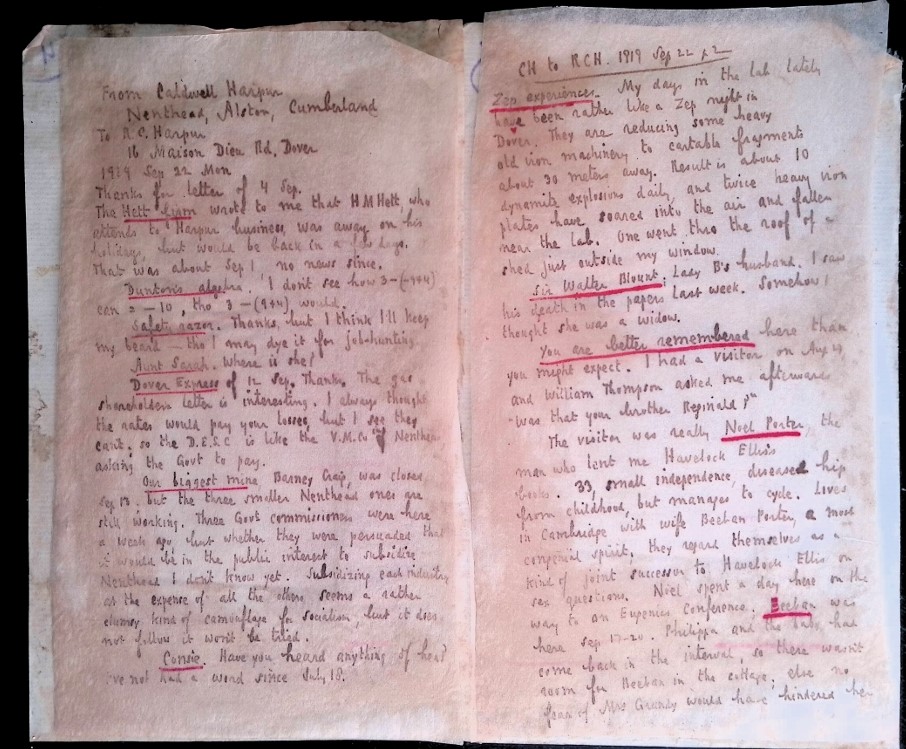
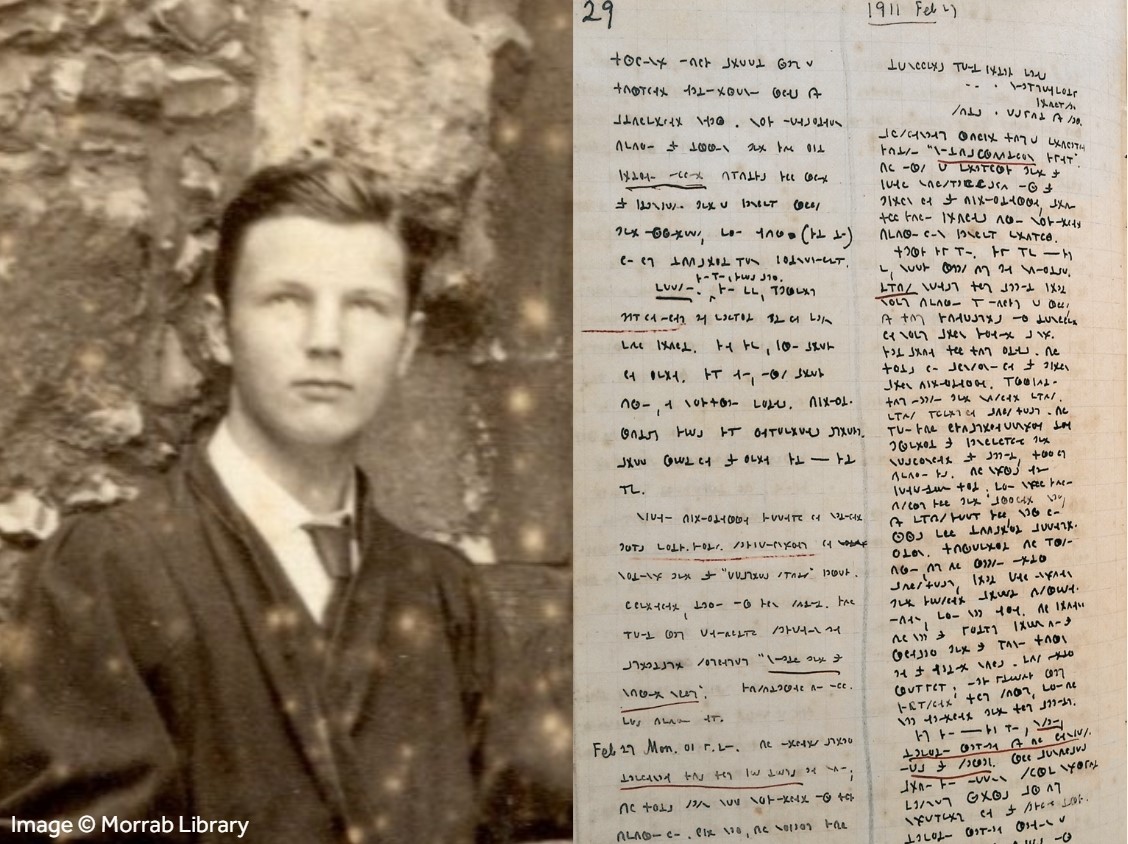
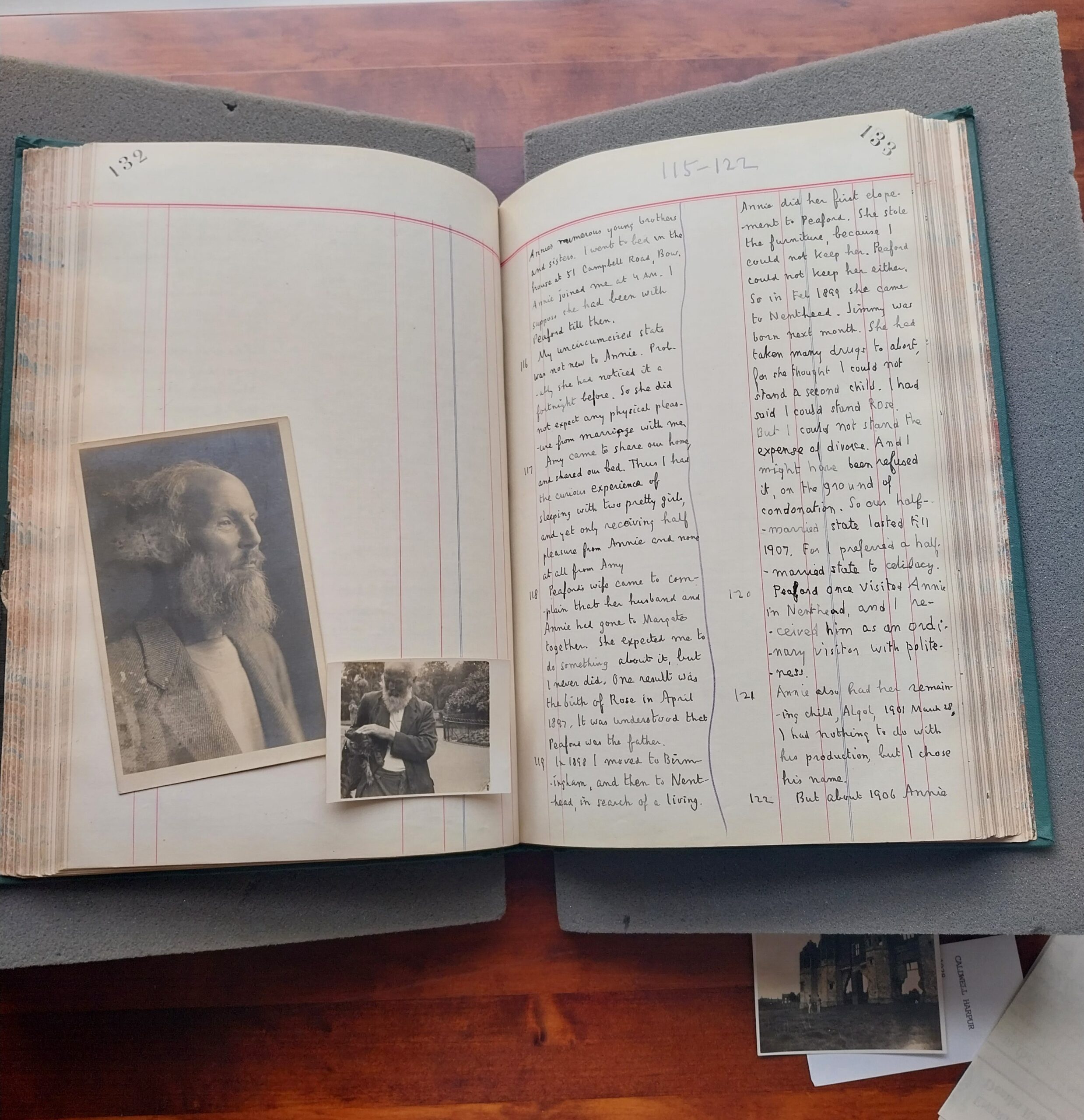
The research into Caldwell Harpur’s historical archive is part of the Land of Lead and Silver project which is led by the North Pennines National Landscape team and funded by The National Lottery Heritage Fund, with thanks to National Lottery players, and Historic England.