News
Moth monitoring
16 June 2026
Moth trapping and monitoring
16 June 2026
As spring moves into early summer, our spirits are lifted by familiar sights and sounds. The sun is shining, the birds are singing, and butterflies are flying around.
At this time of year, the emergence of garlic mustard in our hedgerows and woodlands, is followed soon after by the aptly named Orange Tip butterfly, which often lays its eggs on this modest, white-flowered plant. The other plant favoured by the Orange Tip and its caterpillar, is the cuckooflower Cardamine pratensis – this is reflected in the scientific name for this widespread butterfly, Anthocharis cardamines.
Nocturnal wildlife is more active too, with moths and bats on the wing.
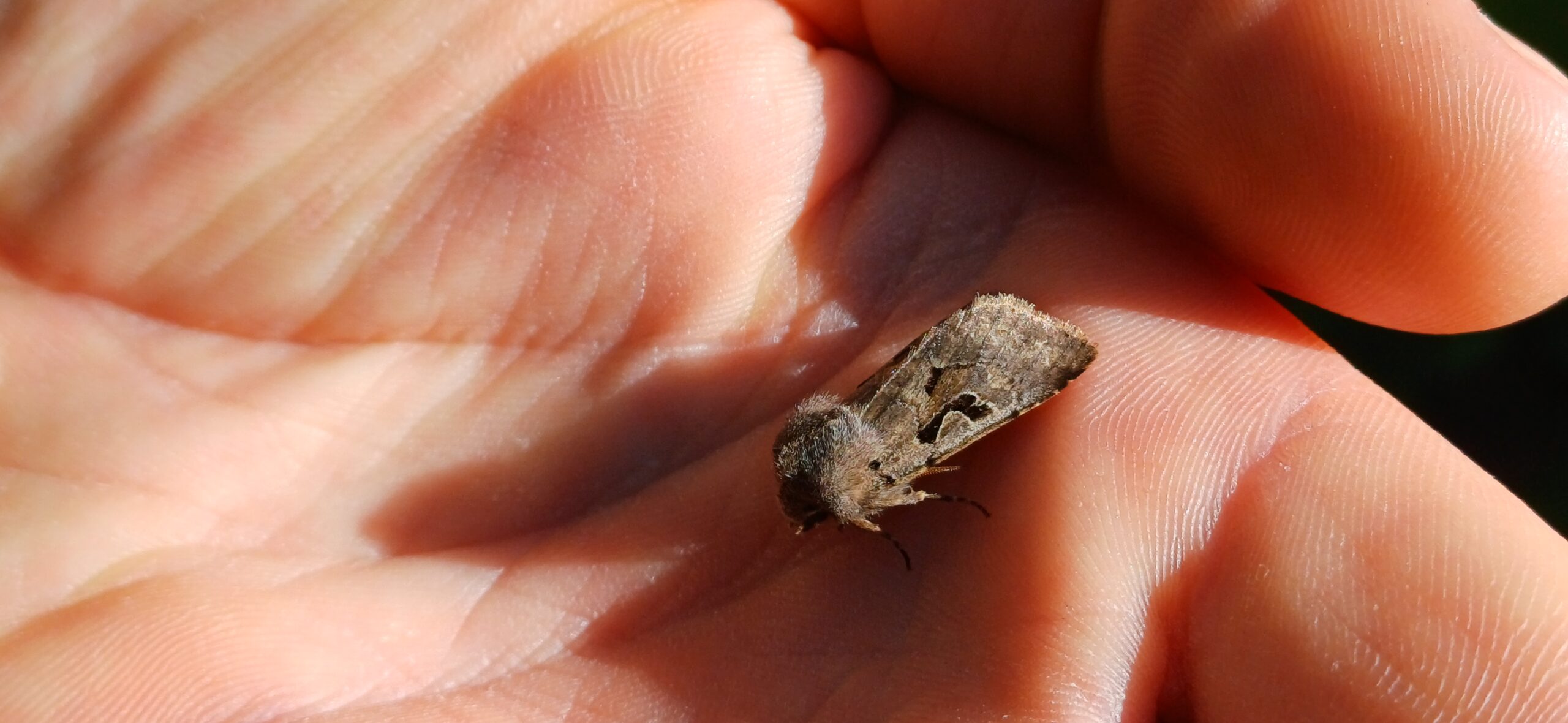
The Hebrew Character moth is a widespread species that can be found almost anywhere with trees and shrubs. You are quite likely to find these in your garden until early summer.
Moths, like butterflies, have preferred ‘larvae foodplants’ on which they lay their eggs, so their caterpillars will have plenty to eat. They are also, unfortunately for them, prey items for a great number of bat and bird species. These two characteristics make them quite useful as a indicator for the overall health of our ecosystem.
For example, if there are lots of different plant species, and/or habitat types nearby, it is quite likely that we will find a greater diversity of moths (the total number of different species) in our moth trap. If the overall area of habitat nearby is quite large, we would also expect to find a greater abundance (the overall number of individual moths across all the different species). If the diversity and abundance of moths in our trap are both quite high, we might expect to find a greater number of bats and birds in the area, too – as the moths and their caterpillars provide an important food source.
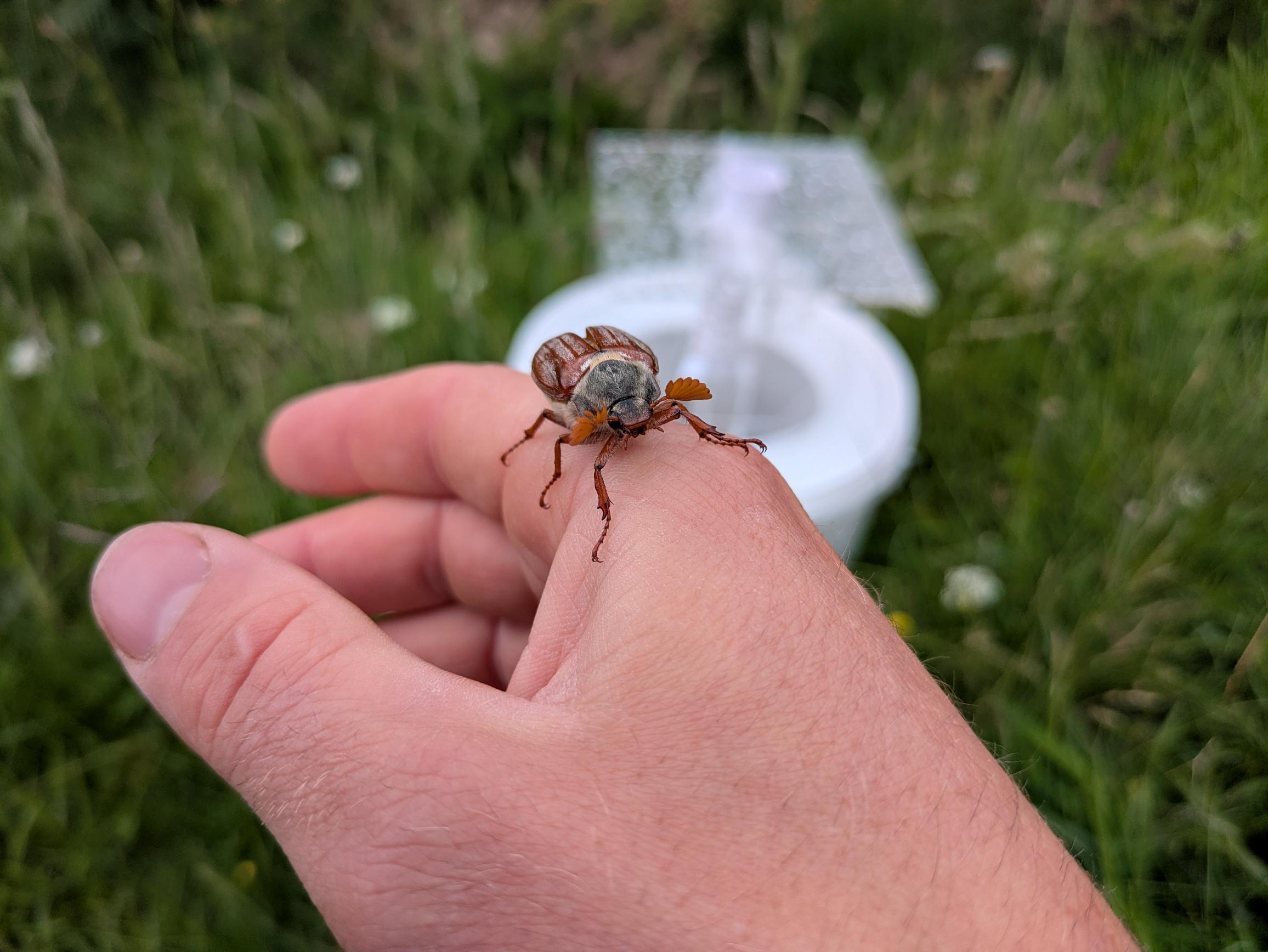
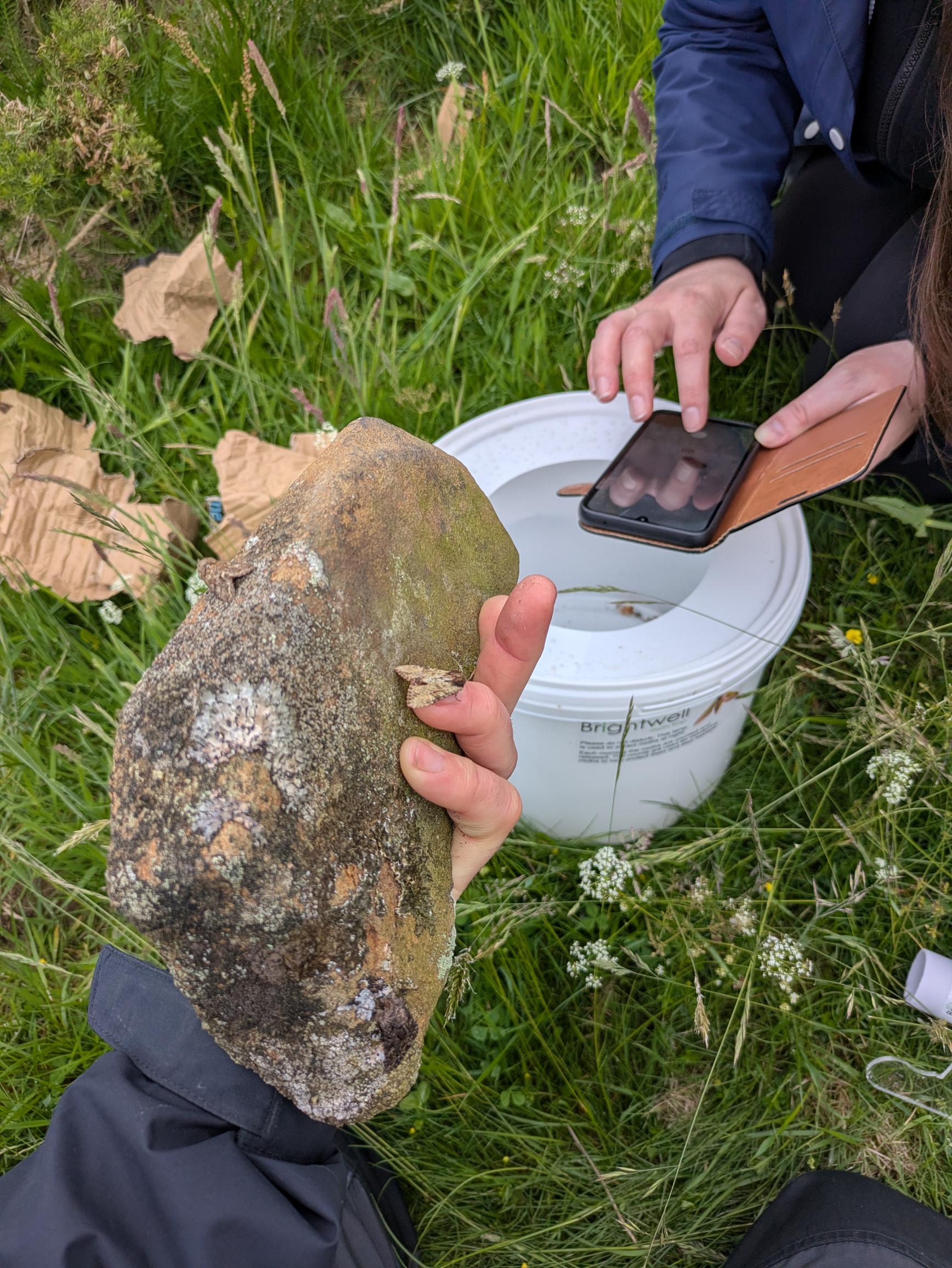
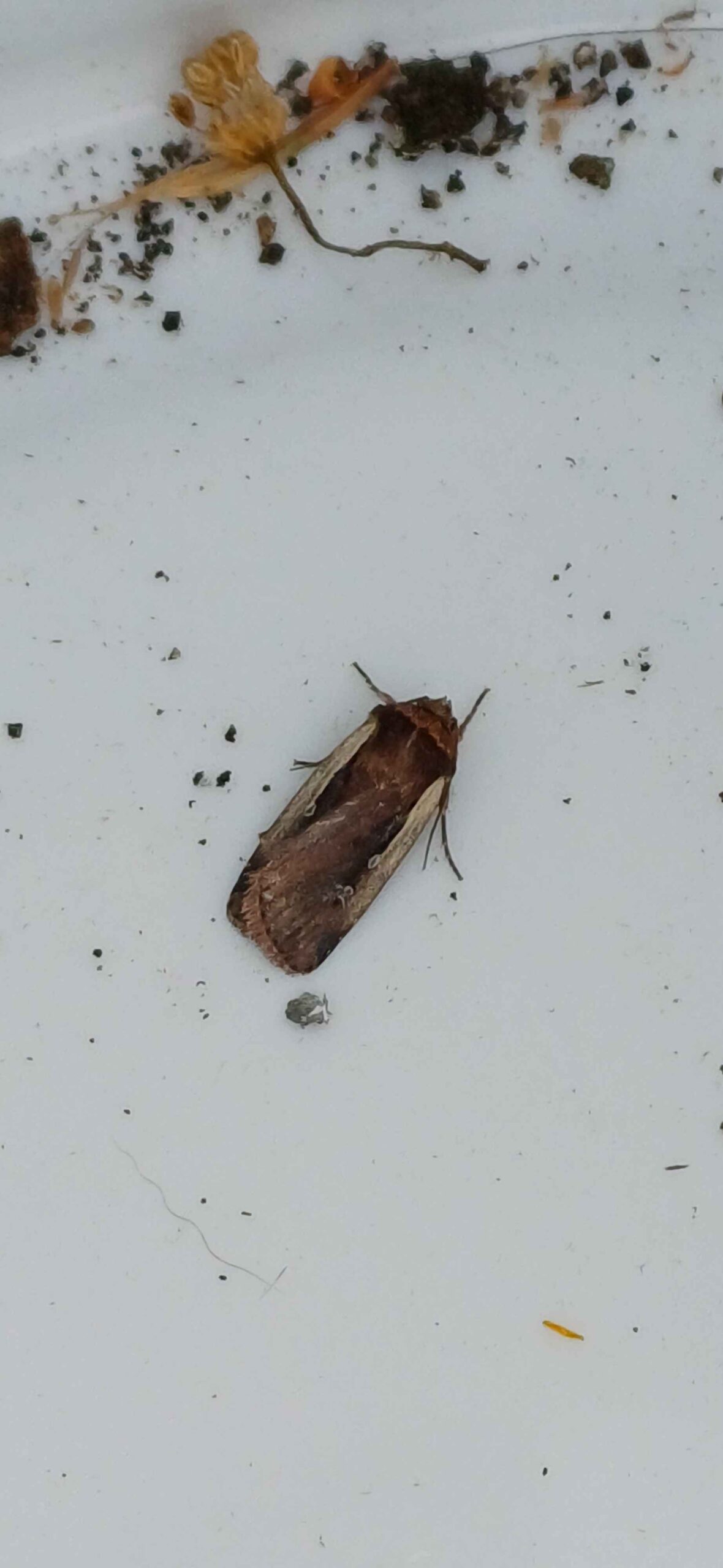
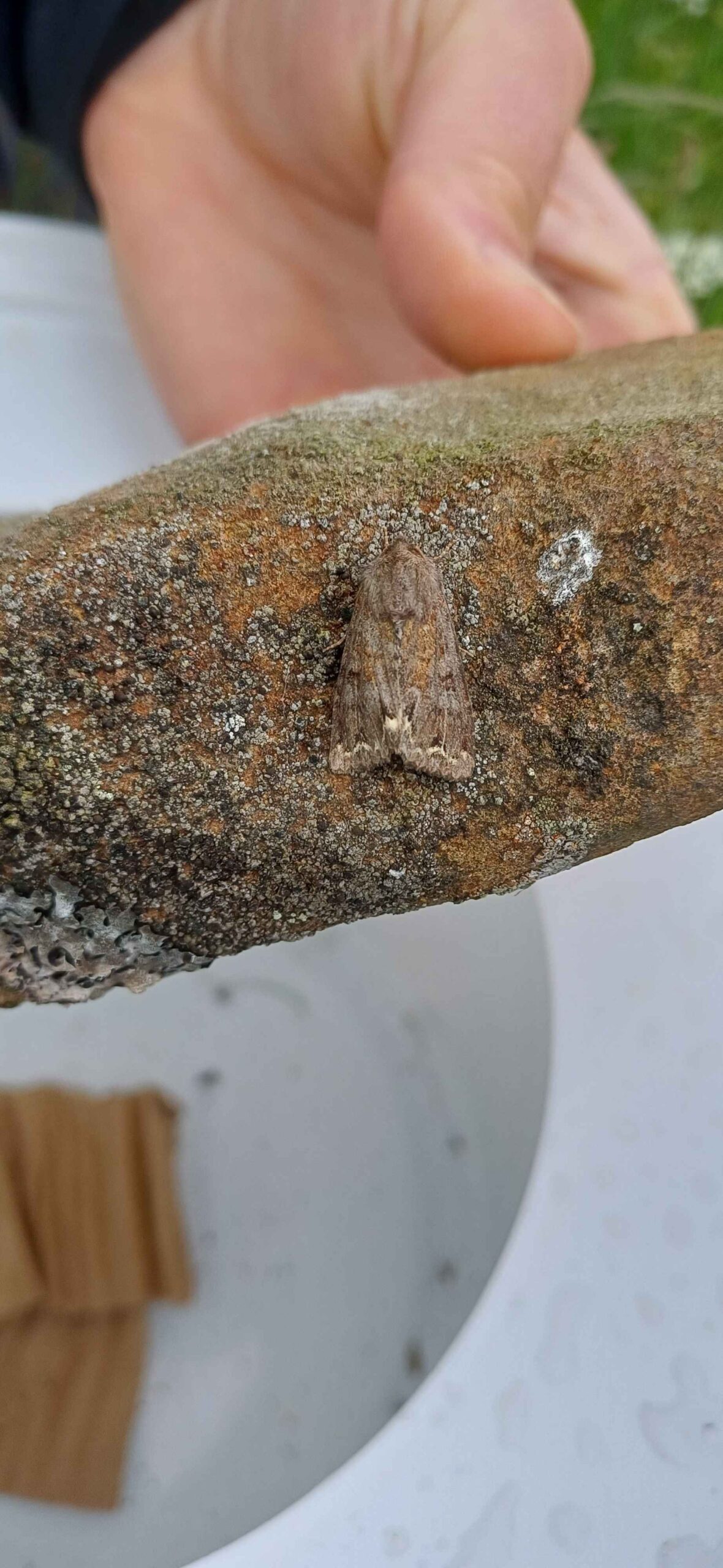
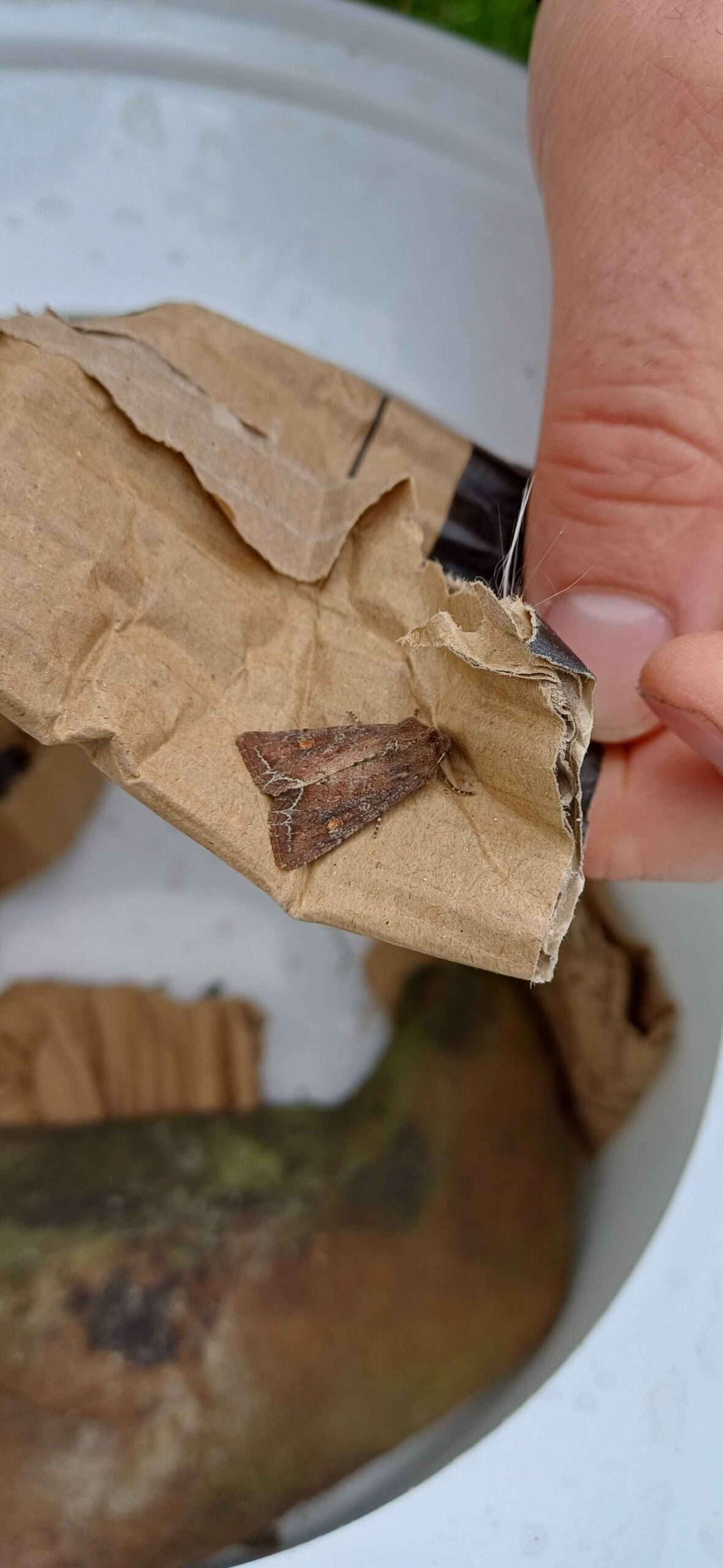
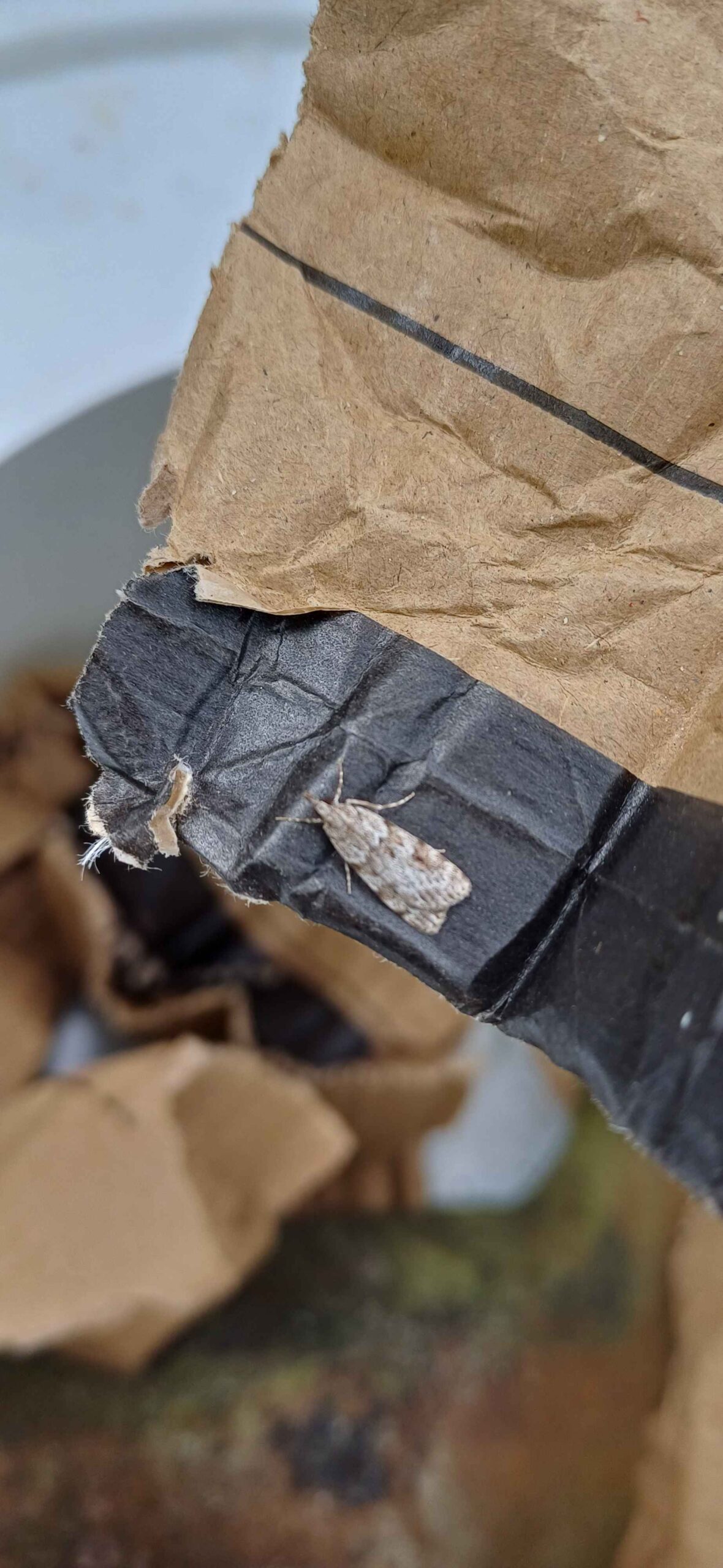
We’ll be moth monitoring with volunteers as part of the North Pennines Landscape Connections programme, on farms across four catchment areas: the Tees, Tyne, Eden and Wear. By re-visiting the farms at a similar time each year, we should be able to detect changes in moth abundance and diversity. This will be especially exciting where farmers are creating new habitats for wildlife, as we’ll be able to track progress over time.
Moth monitoring is easy and fun. The Centre for Ecology and Hydrology has recently developed an app called e-Surveyor. The app makes moth trapping even more accessible for citizen scientists and the general public to collect data, as it contains an “auto-ID” feature, which helps to identify each species using photographic recognition. Data collected using this app can be used for the monitoring of population trends across the UK. Find out more here: https://esurveyor.ceh.ac.uk/
Join in to help us monitor moths at these volunteer events: Moth monitoring in the North Pennines
You can also get involved at home by building a DIY moth trap: https://butterfly-conservation.org/in-your-area/east-scotland-branch/budget-bucket-moth-trap. NHBS (formerly the Natural History Book Service) has a useful guide to the process of moth trapping, covering everything from choosing the best type of moth trap to where and how to release the moths at the end.