
News
Ninja robin and the feisty pied forager
28 May 2026
Ninja robin and the feisty pied forager
28 May 2026
Blog by Simon O’Hare, Woodland Officer
Travelling down dale and across moors in spring, it is hard not to be wowed by the sight and sounds of some of our high-profile breeding birds, most notably curlew (eery, haunting, evocative), lapwing (stylish strutter, tumbling acrobat) and black grouse (bubbling sounds, guttural hisses). These are rare and iconic birds, nationally scarce but doing well here in the North Pennines National Landscape. It is a privilege to witness them first hand and to work towards improving conditions to help them thrive.
Trees are my thing. We need more of them in the North Pennines, not least to provide critical habitat for black grouse in winter – alder, birch, hawthorn, willow, rowan, native species that offer food and shelter, particularly in harsh winters. When it comes to our waders though, trees are a definite ‘no’. They are creatures of open ground – trees provide perches and hiding places for predators including crows and foxes. Right tree, right place.
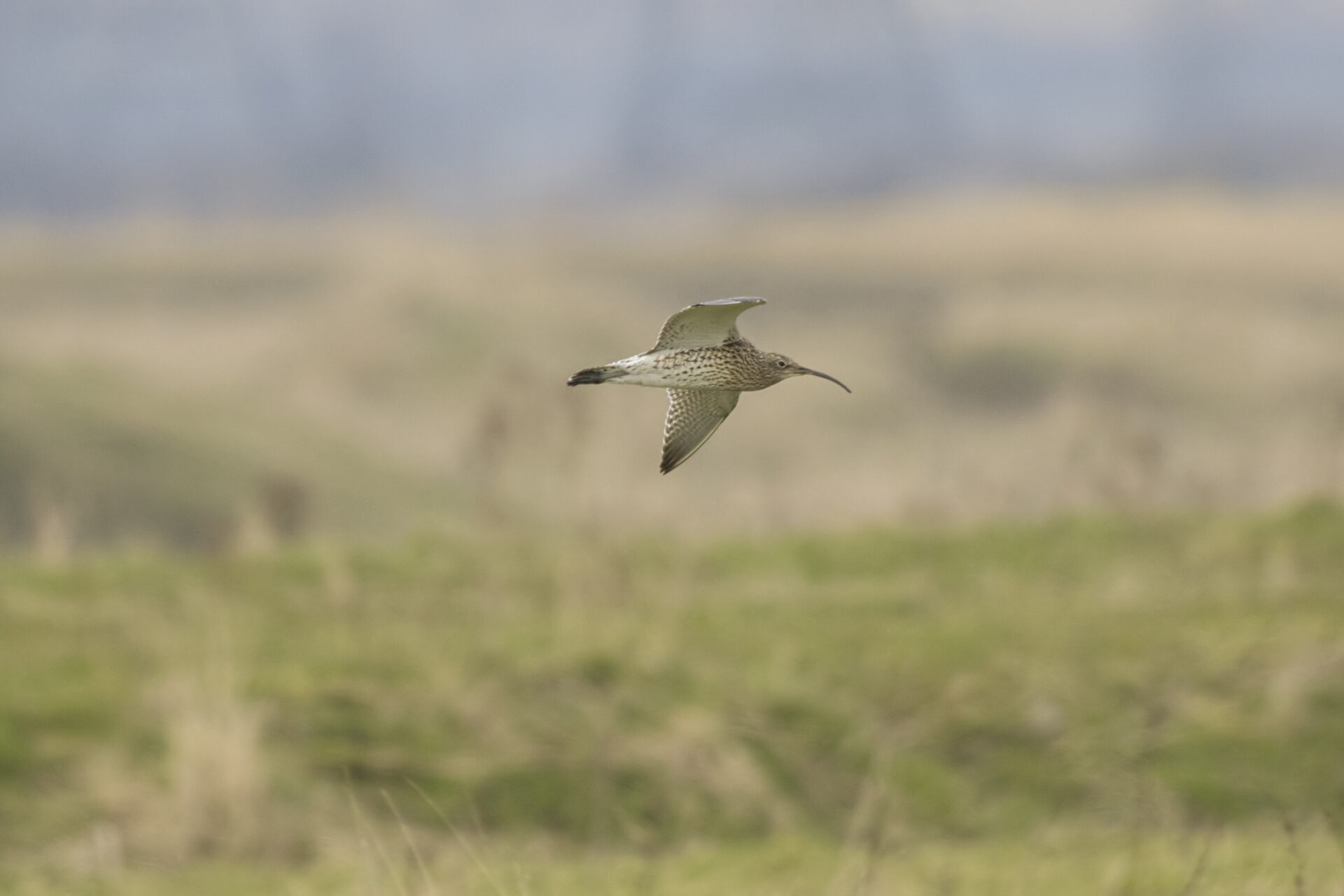
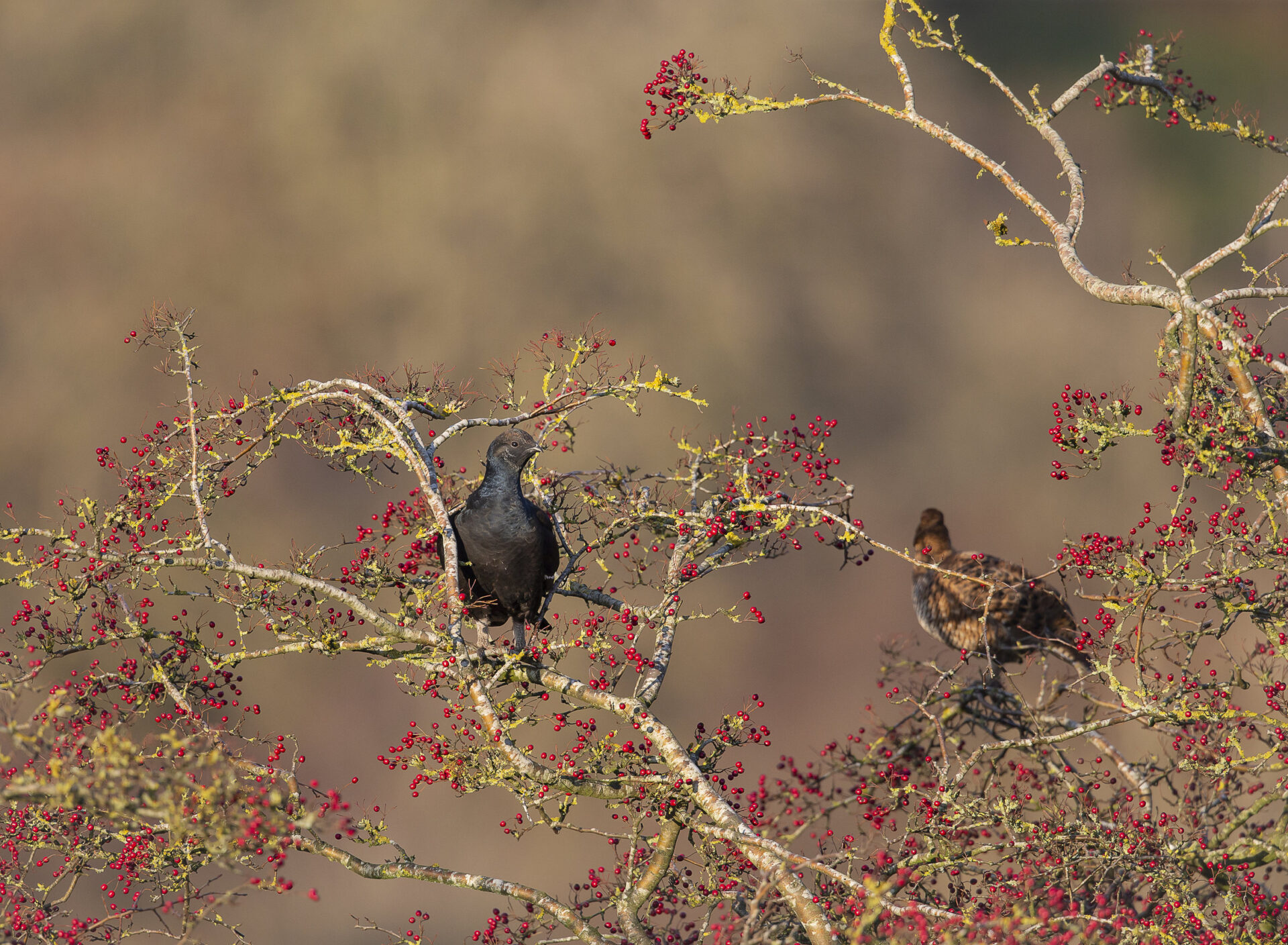
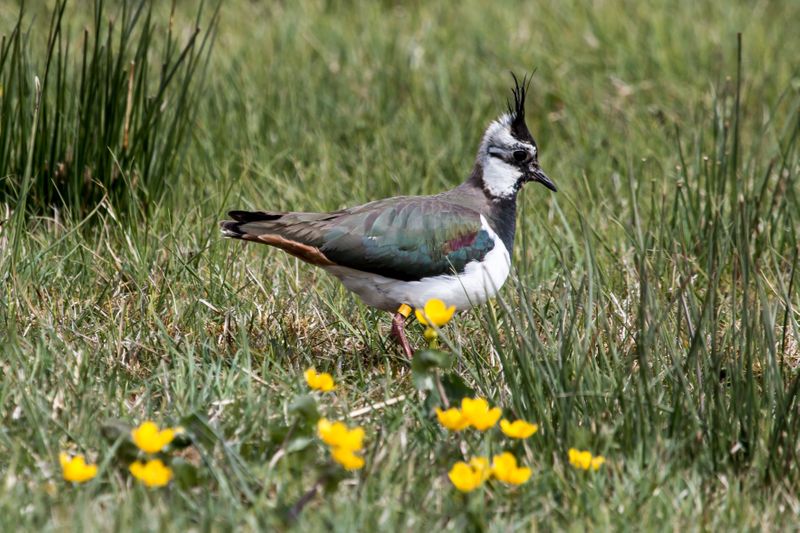
The A-listers grab the headlines, and deservedly so. Let us not forget though, there are a whole host of other special and hard to find birds coming to a woodland near you very soon.
I am highlighting two personal favourites, both summer visitors from west Africa, maybe not as rare and high-profile but still amber-listed (of conservation concern) here in the UK and spectacular in their own right.
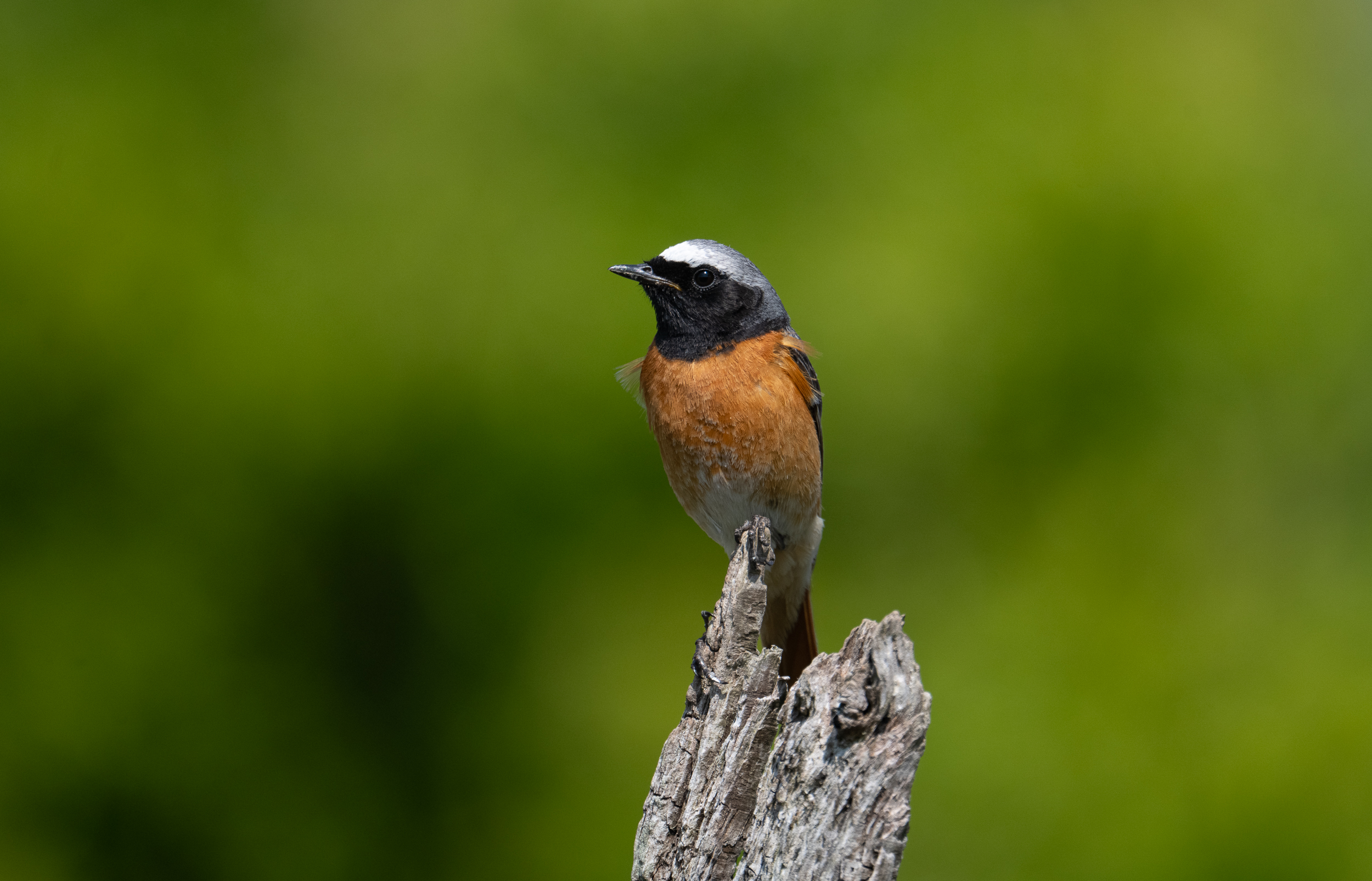
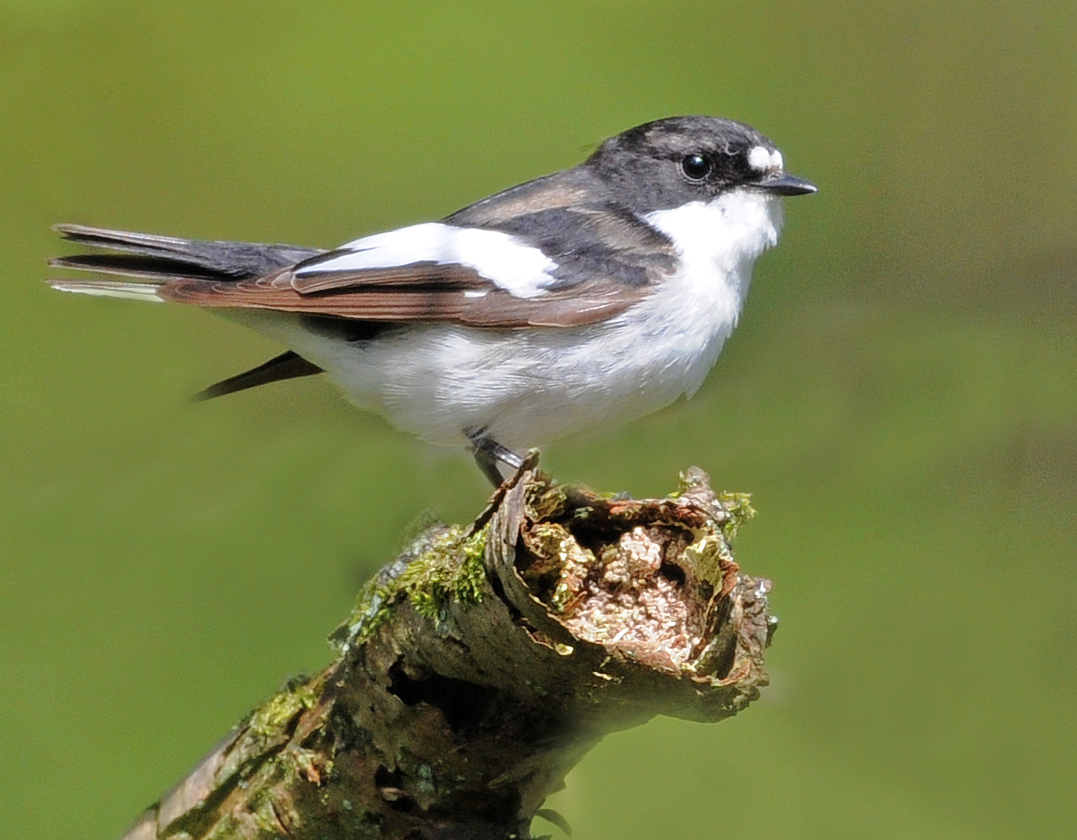
So, spotlight on the pied flycatcher (feisty, high-energy forager) and the redstart (feathery superhero, or ‘ninja robin’). Top birds, with a preference for heavily-wooded landscapes, which they won’t get here, making an encounter even more special. They favour upland native woods with large, open-grown trees, plenty of deadwood, and nooks and crannies for nesting.
Ancient woodlands (continuously wooded since 1600) are perfect haunts for these special songbirds, providing high diversity of invertebrate life, undisturbed soils, plants and fungi and decaying trees. A single ancient oak tree can support hundreds of species of insect – it is no wonder these habitats are so attractive to summer migrants.
On a glorious April morning with zero wind and perfect blue skies I set out to survey for waders on a farm on the Eden Valley fellside. Curlew circle, flight and voices rising. I flush snipe from a field of wet rush and lapwing call from the moor above.
There are few trees in this open landscape but along the valley bottom, where the tree-lined beck tumbles, I hear the distinctive song of a redstart – described as “a short, beautiful song that often fizzles out before finishing, making it a distinctive sound of early summer mornings in western UK woodlands”. It is often compared to a ‘chaffinch that goes wrong’ which seems harsh.
If you catch a glimpse, then revel in their striking colours – the black mask and silver cape (hence the superhero reference) with stunning orange breast and flank, with a long tail constantly a-quiver.
Before heading back to the car, I can’t resist popping into the ancient alder wood. More redstarts maybe? Even better, a flash of black and white, and a call I can’t place. My instinct says pied flycatcher. A quick dart from a branch and an insect plucked from the air. A song like “a bumpy squeaky train, bouncing along for a few seconds, then hitting the buffers” – or maybe “tree, tree, I come to thee”. I press record on the Merlin app, and my instincts are confirmed.
Planting new native woods and better management of established ones will benefit these spectacular seasonal visitors. They might not be as obvious and limelight-hogging as a curlew or grouse, but a snatched glimpse of orangey-red, or black and white, is just as rewarding.
Image credits: Redstart male (c) Bill Mumford, Black grouse (c) David Higgins, Pied flycatcher (c) Brian Rafferty