
News
Press release
14 August 2026
North Pennines National Landscape partners with Channel 5’s the Yorkshire Vet on pet bereavement campaign
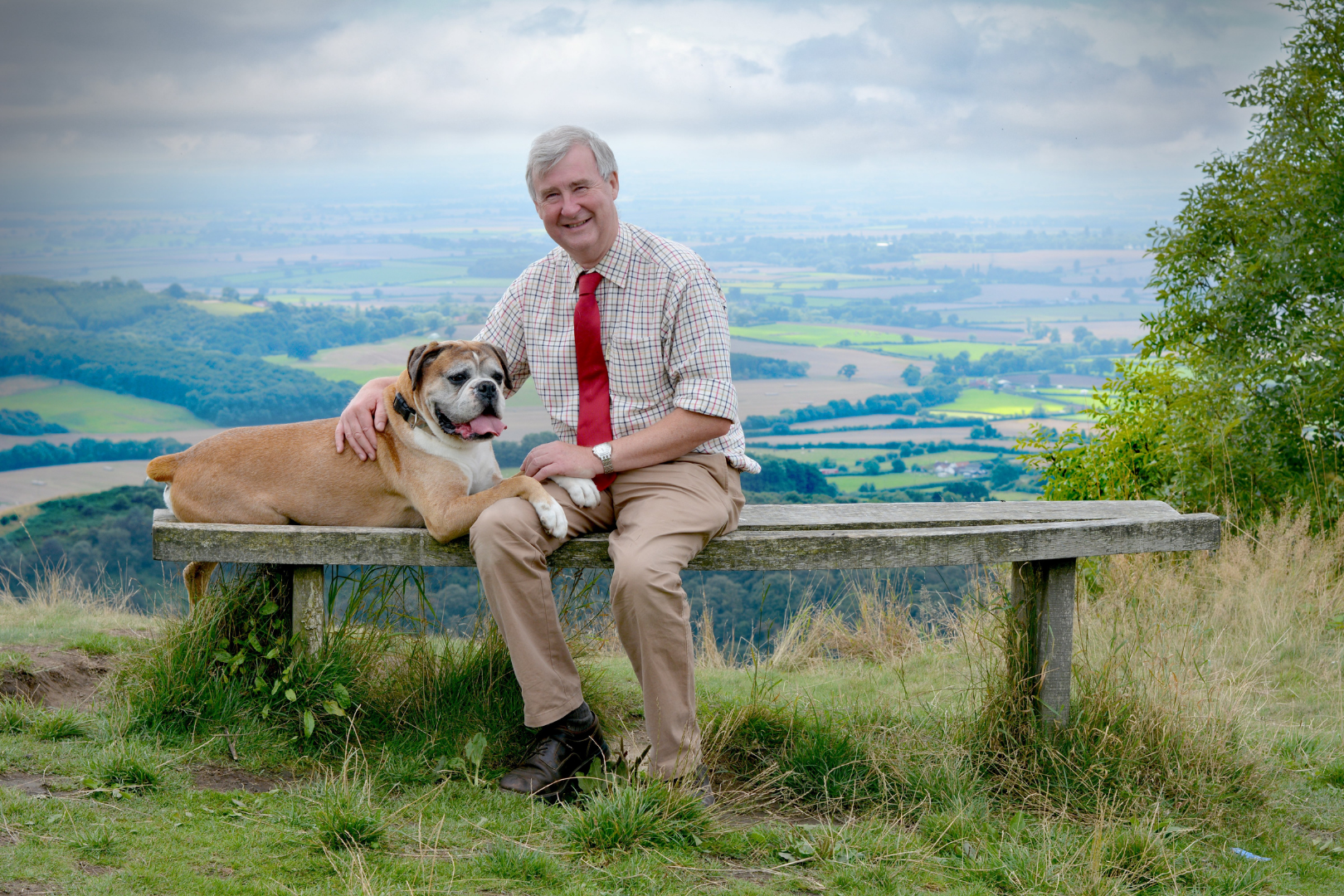
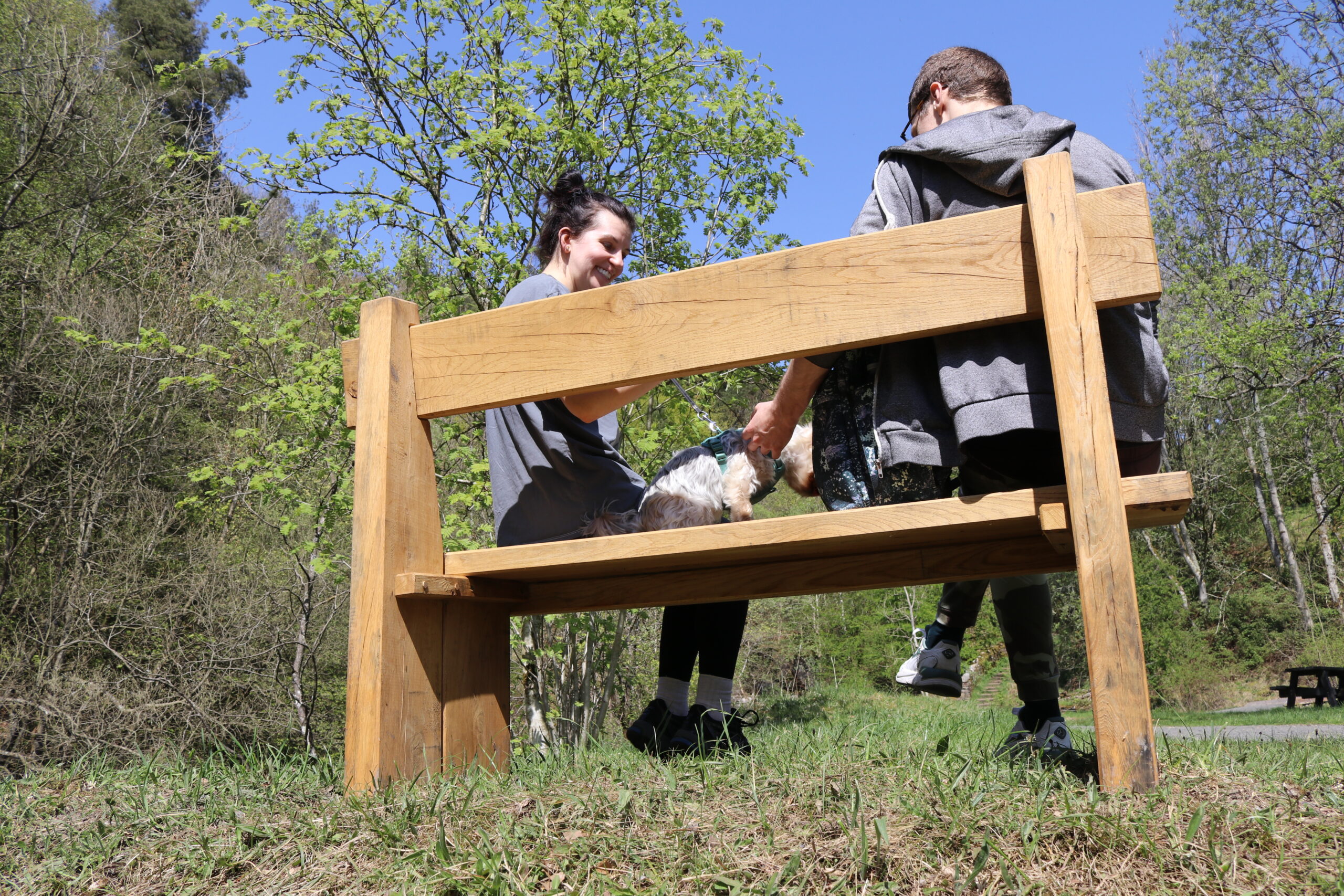
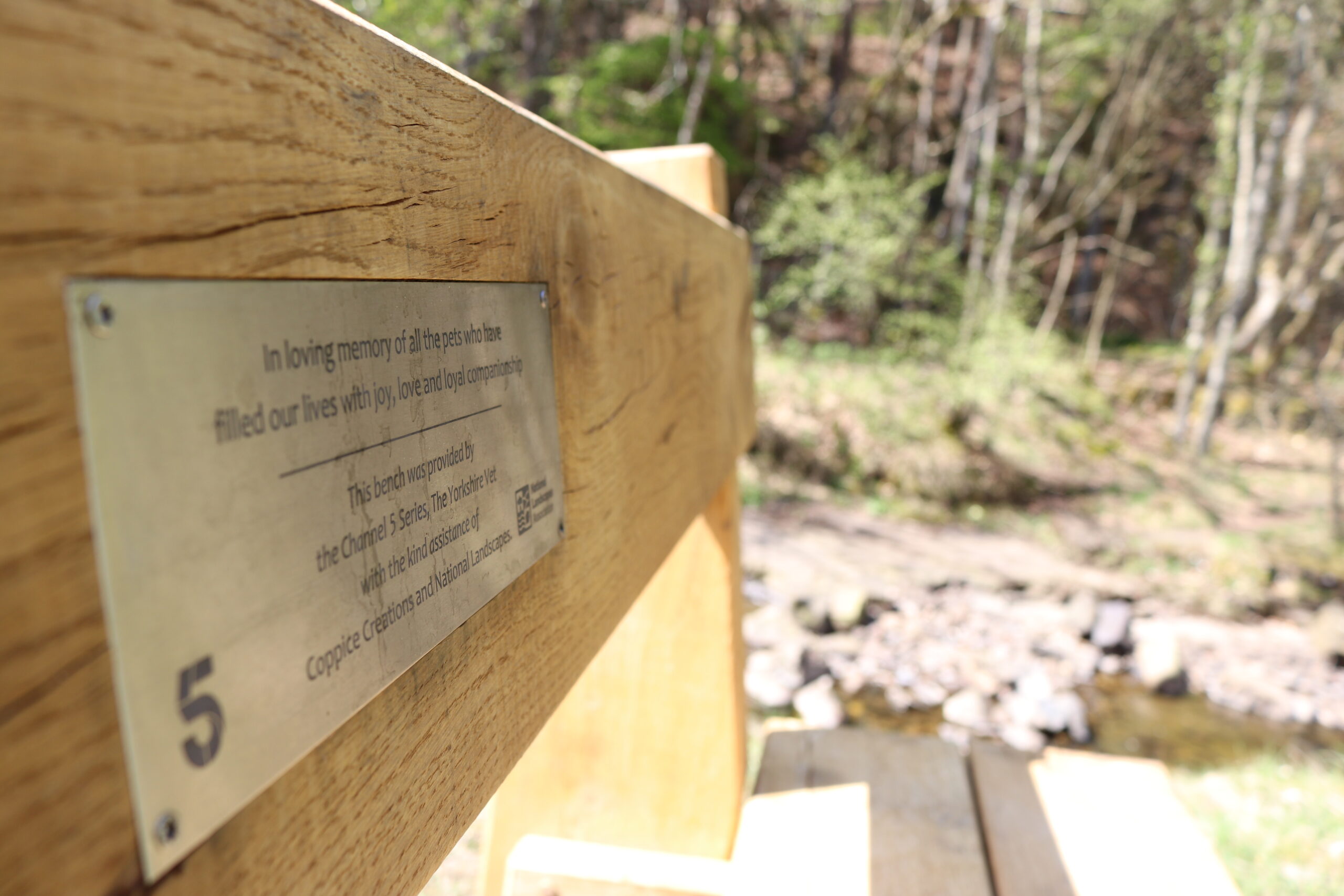
The North Pennines National Landscape is very pleased to be working with Peter Wright and the team at Channel 5’s ‘The Yorkshire Vet’ to host a new pet memorial bench.
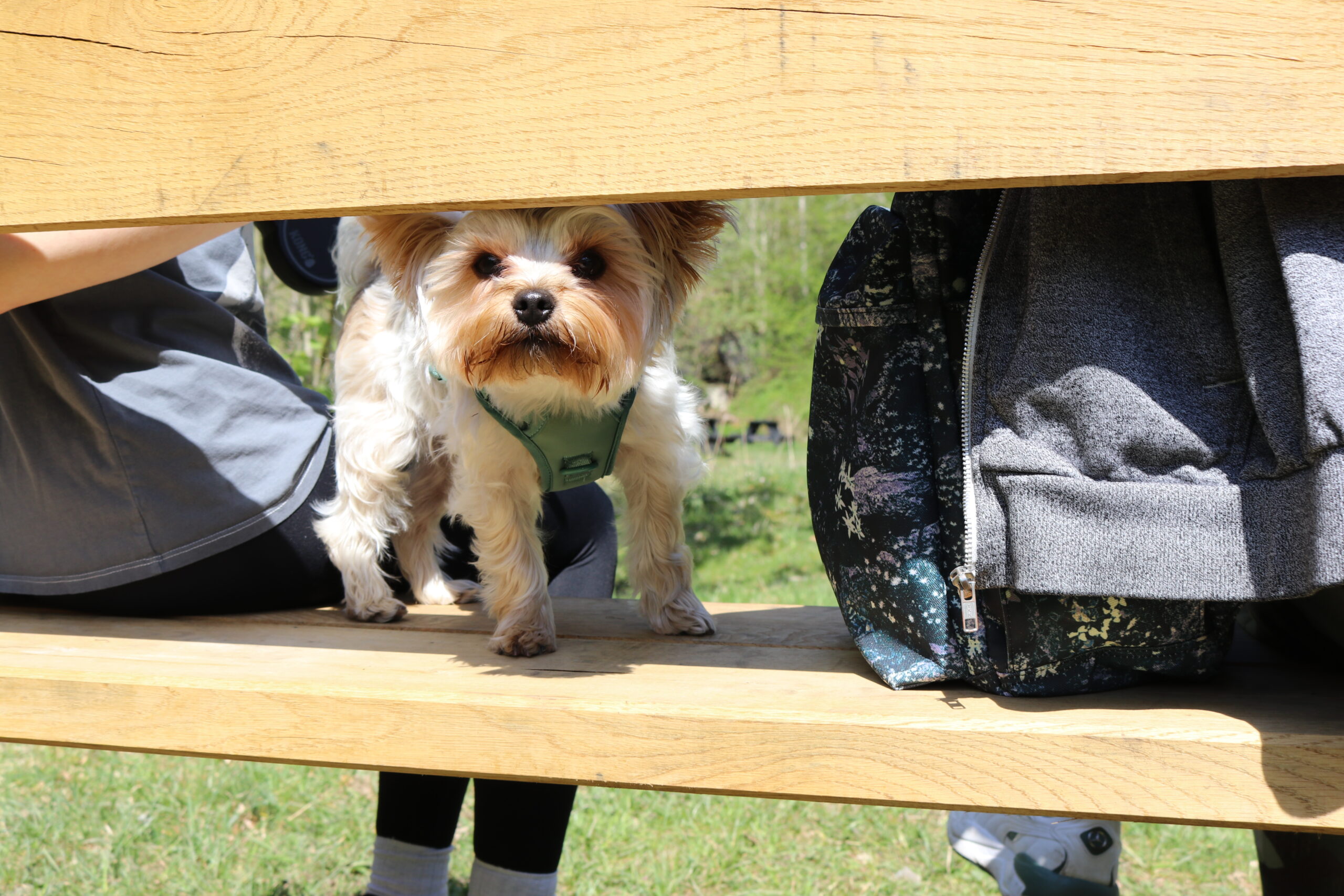
The UK is a nation of animal lovers, and many of us count our pets as part of the family; however, the impact of the loss of a pet is often underestimated.
Channel 5’s Yorkshire Vet, Peter Wright, recently opened a pet memorial garden close to his surgery in Thirsk, North Yorkshire. Wanting to find a way for people across the country to be able to mark their own pet bereavements, he approached National Landscapes to ask if they would install memorial benches in some of the UK’s most iconic and beloved places.
Now the North Pennines is one of eight National Landscapes across England hosting a bench that anyone can visit for quiet contemplation in memory of their lost pet.
Simon Wilson, Programme Manager – Engagement, Heritage and Operations for the North Pennines team, said:
“We’re really pleased to be working with Channel 5 and Peter Wright, the Yorkshire Vet on the important issue of pet loss. We now have a memorial bench in a beautiful spot for people to enjoy a moment’s reflection.”
Peter Wright, Channel 5’s The Yorkshire Vet said:
“Pet bereavement is a very real issue which is often downplayed. I’m delighted that the National Landscapes have got involved with my campaign to recognise the grief we feel when we lose a pet. I hope that people will enjoy visiting the new benches, taking solace in the beautiful surroundings of National Landscapes at a time of loss.”
You can find the bench in the grounds of the North Pennines National Landscape’s Bowlees Visitor Centre, where you can enjoy connecting with nature with views of the Bowlees Quarry wildlife site.
Ends
Notes to editors
1. Contact Sarah Hudspeth, Communications Lead from the North Pennines National Landscape team for further information – communications@northpennines.org.uk Phone: 01388 528801 / 07768 123247
2. The North Pennines National Landscape is one of England’s most special places – a peaceful, unspoilt landscape with a rich history and vibrant natural beauty. It was designated as an Area of Outstanding Natural Beauty (AONB) in 1988. The purpose of this nationally recognised designation is the conservation and enhancement of the natural beauty of the area.
3. At almost 2,000 sq. kilometres the North Pennines is the second largest of the 46 National Landscapes (in England, Wales and Northern Ireland) and is one of the most peaceful and unspoilt places in England. Visit www.landscapesforlife.org.uk for information about the National Landscapes family. .
4. The North Pennines lies between the National Parks of the Lake District, the Yorkshire Dales, and Northumberland with the urban centres of County Durham away to the east. Parts of the National Landscape are within the boundaries of four local authorities; Cumberland Council, Durham County Council, Northumberland County Council, and Westmorland & Furness Council.
5. The North Pennines National Landscape Partnership is an alliance of public, statutory and voluntary sector bodies with an interest in the future of the North Pennines. The work of the Partnership is carried out by the National Landscape team which takes action to conserve and enhance the natural beauty of the area, to raise awareness of its special qualities and to improve the quality of life for local people.
6. UNESCO Global Geopark – As well as being a National Landscape, the North Pennines is a UNESCO Global Geopark. This puts the area’s Geopark status in the same UNESCO family as World Heritage Sites and Biosphere Reserves. UNESCO Global Geoparks are places with outstanding geology where special effort is made to make the most of geological heritage to support community and economy. Locally this includes producing geo-trails, developing projects with school and community groups, producing displays for visitor attractions and holding geology festivals and events.
7. About National Landscapes
A National Landscape (previously Area of Outstanding Natural Beauty) is an area of countryside in England or Wales, protected in law to conserve and enhance its natural beauty. Areas are designated in recognition of their national importance by the relevant public body: Natural England, Natural Resources Wales.
There are 33 National Landscapes in England, four in Wales, and one (Wye Valley) crossing the border of England and Wales.
Among other things, National Landscapes have:
- coordinated habitat restoration projects across many thousands of hectares,
- restored peatland twice the area of Birmingham,
- provided free educational opportunities for tens of thousands of children of all ages and needs,
- delivered wellbeing programmes: from weekly walks for people with dementia and brain injuries and their carers to friendship cafes, social prescribing programmes, opportunities for men with sight loss to spend time outdoors and rebuild confidence
People
- 66% of England’s population (44 million people) live within 30 minutes of a National Landscape and over 1 million people live within a National Landscape
- At least 170 million people visit National Landscapes every year.
- National Landscape teams reach out and connect with hundreds of thousands of people in their local communities every year, by providing advice and information and putting on events and activities. In 2020-21 nearly 850,000 people were directly engaged in this way.
Nature - In England, 25% (256 000 hectares) of all Sites of Special Scientific Interest (SSSIs), and 24% (445 000 ha) of England’s most important wildlife habitats are within National Landscapes – protecting some of our most precious wildlife habitats.
- National Landscapes encompass 20% (264 000 ha) of England’s total woodland cover, and 30% (108 000 ha) of England’s ancient woodlands.
Heritage - National Landscapes care for and protect some iconic places including Hadrian’s Wall; Land’s End; Cheddar Gorge; Willy Lott’s farmhouse (the scene of the Haywain); Pendle Hill in Lancashire; Tintern Abbey; the atmospheric industrial countryside of Cornwall; the iconic Northumberland Coast; Kent’s chalk cliffs and the atmospheric uplands of the North Pennines
- Almost 25% (4377) of all the UK’s scheduled monuments (nationally important archaeological sites) are found in National Landscapes.
You may also like...


Did you know…