News
On the rocks
23 May 2026
On the rocks
22 May 2026
Blog by Naomi Foster, Geology Projects Officer
When we talk about nature in the North Pennines, we mean all kinds of different things. It encompasses plants and animals and fungi, rivers and streams, dark night skies with low light pollution, and the shape of the landscape itself. The shapes and the landforms, and often what lives on them, are the result of the geology that lies beneath.
Perhaps the most significant feature of the North Pennines is that it is an upland area. It’s hilly. The altitude is higher than what’s around it, and it’s lumpy and bumpy without being pointy and mountainous. This affects its climate and weather, generally a bit cooler and wetter than flat land would be. It affects how people have used it and where they live, so the number of people is small, and land management is mainly for sheep and grouse as crops don’t grow well here. It’s these things that make it good for blanket peat bog, for wading birds and for plants that are more usually found in the arctic or high alpine regions. But why is it upland at all?
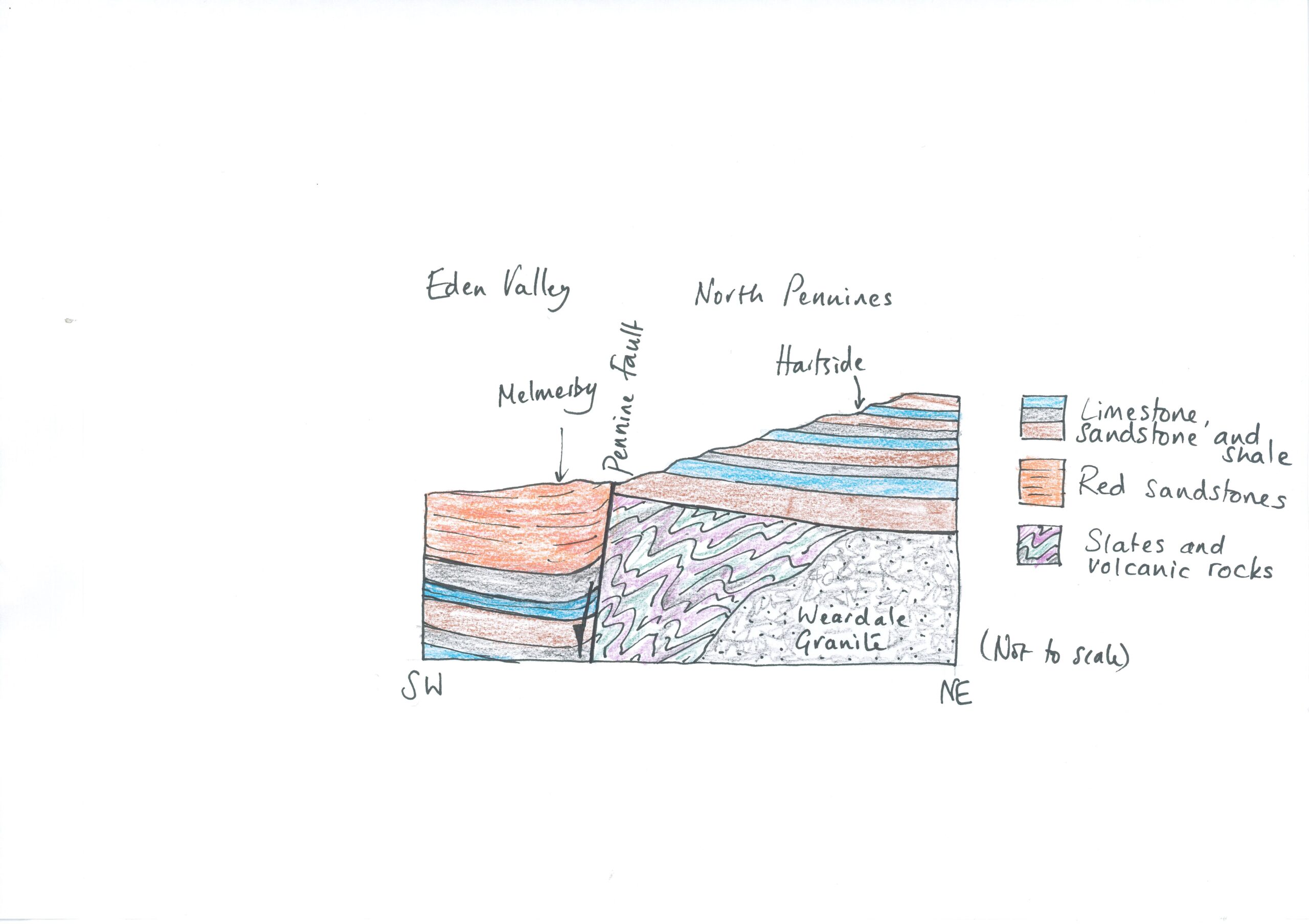
The answer to that is buried deep underground. Around the edges of the North Pennines run some ancient fault zones. These are cracks that formed when this bit of the Earth’s crust was being squashed or stretched by the movement of tectonic plates; the pieces that make up the surface of our planet. On one side of a fault, the land can move up or down or sideways relative to the other side. The chunk of crust bounded by these faults is known as the Alston Block.
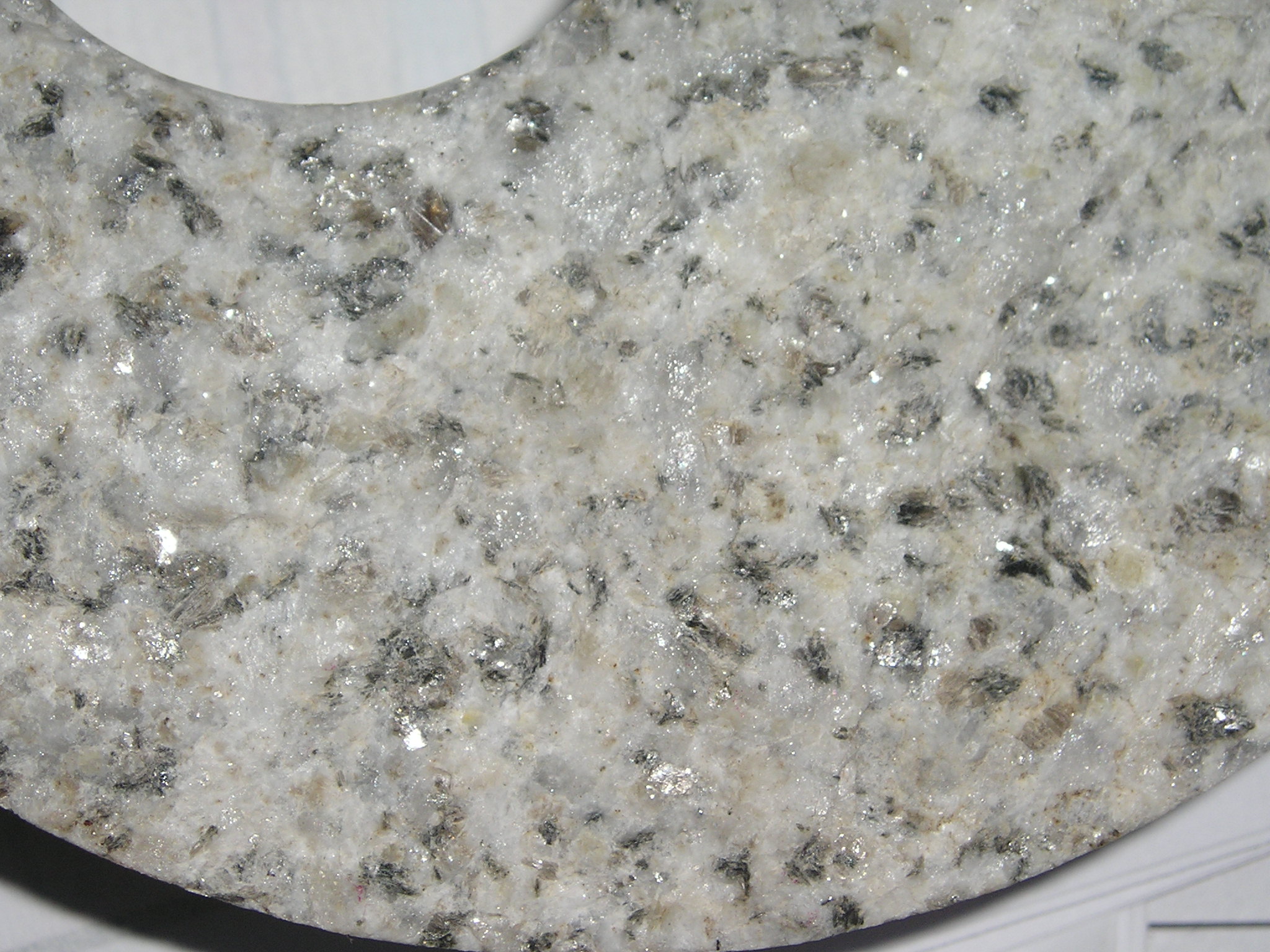
The Alston Block is higher than what’s around it because it has granite underneath it. The granite formed from molten magma over 400 million years ago. It is deep underground, buried beneath younger rocks and can’t be seen at the surface anywhere. We know it is there because of the effect it has and because of a couple of boreholes, the first of which was dug in the 1960s. Despite being a very hard rock, granite is less dense than a lot of other rocks. This means that compared to other rocks, it floats (sort of). It pushes upwards and sits higher in the Earth’s crust than something else would. And that, basically, is why the North Pennines are uplands.