News
Fascinating flies
9 June 2026
Fascinating flies
9 June 2026
Blog by Simon Wilson, Programme Manager – engagement, heritage and operation
The early part of the year, especially moving into spring, is the time when we start to notice significant hatches of adult up-wing (Ephemeroptera) flies, more generally referred to as mayflies. There are over 50 different species of up-wing flies in the UK and the rivers, streams, becks and burns of the North Pennines are home to significant populations.
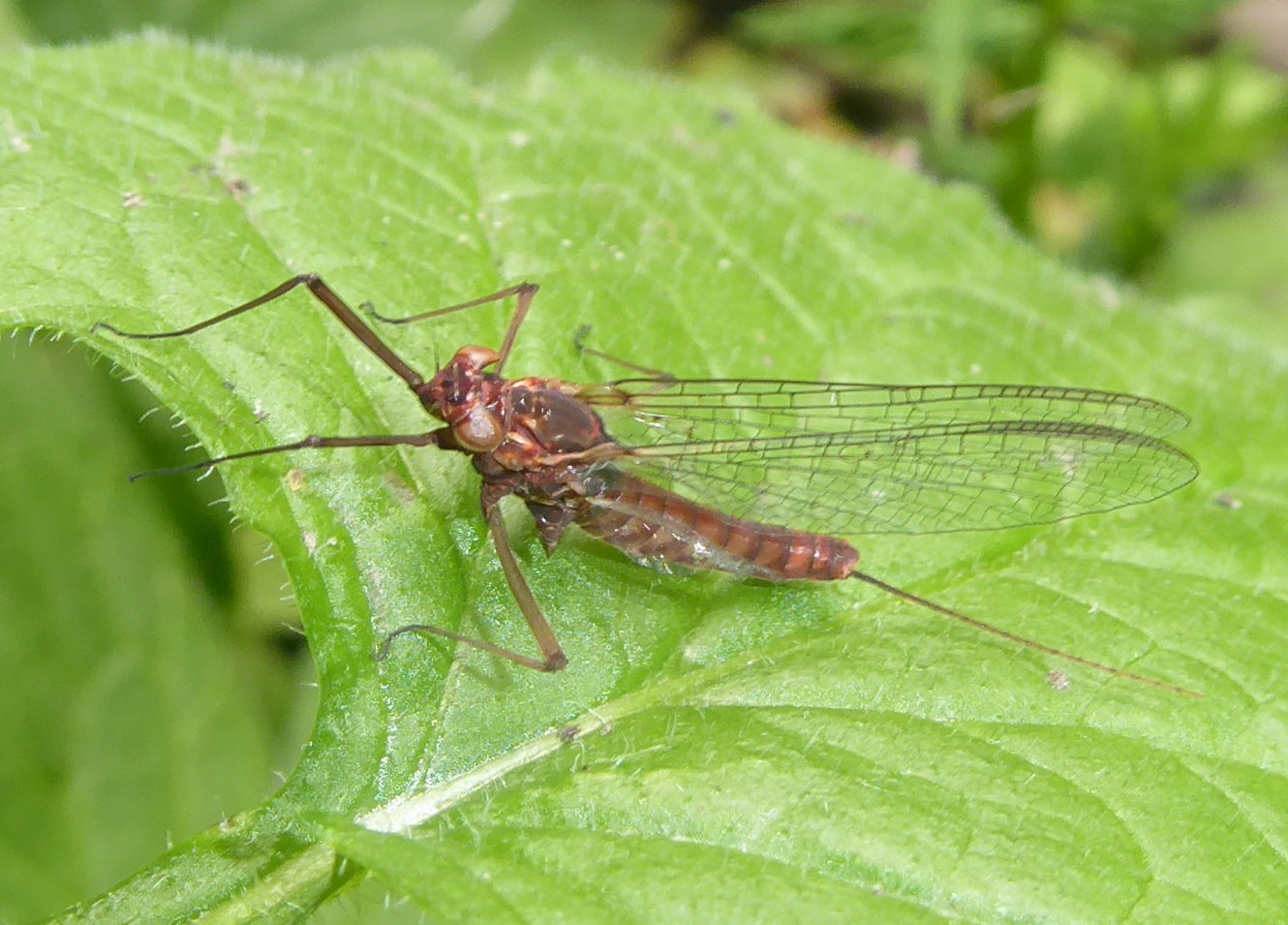
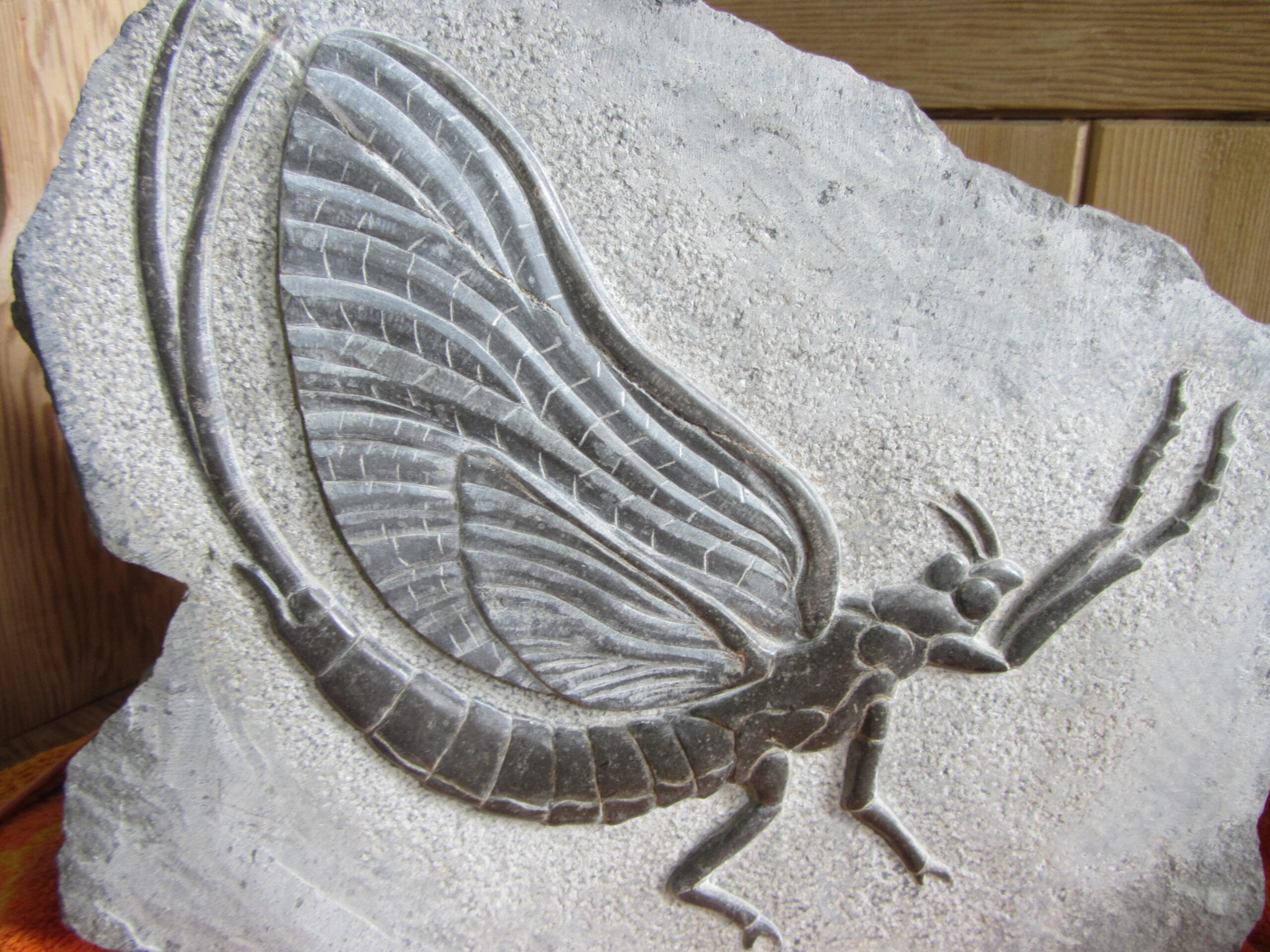
Easily recognisable as they swarm over water, up-wing flies fold their wings in an upright position and have long cerci (tails). The coordinated mass hatches of flies, from the surface of flowing waters are influenced by a number of environmental factors, including water temperature. The vast numbers that overwhelm predators as flies emerge at the same time is a ‘safety in numbers’ evolutionary adaptation, at the same time maximising the opportunity to mate. The adult flies typically live for one to two days, with some living only for a few minutes, as the sole purpose of the adult flying stage is to mate and lay eggs.
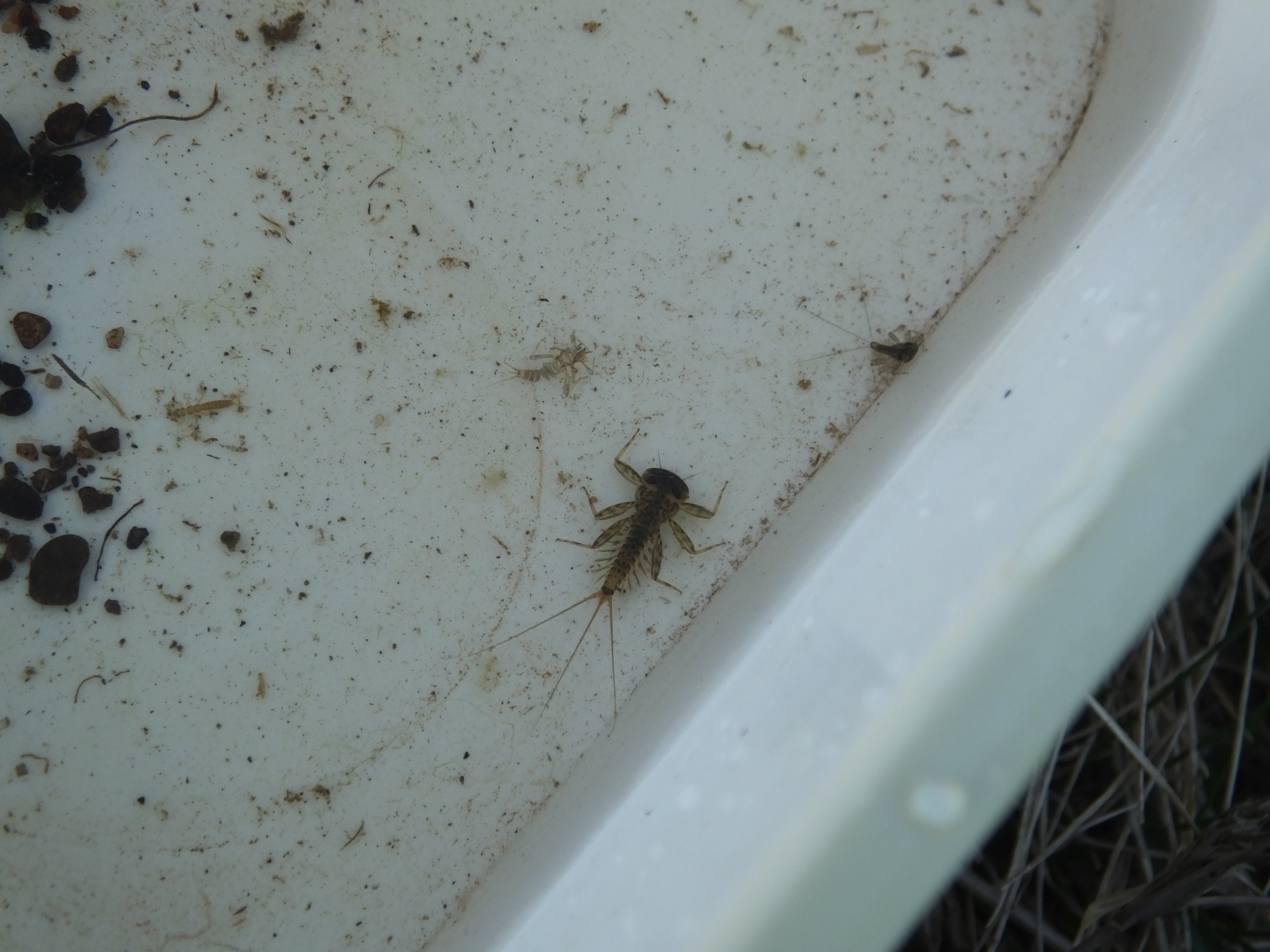
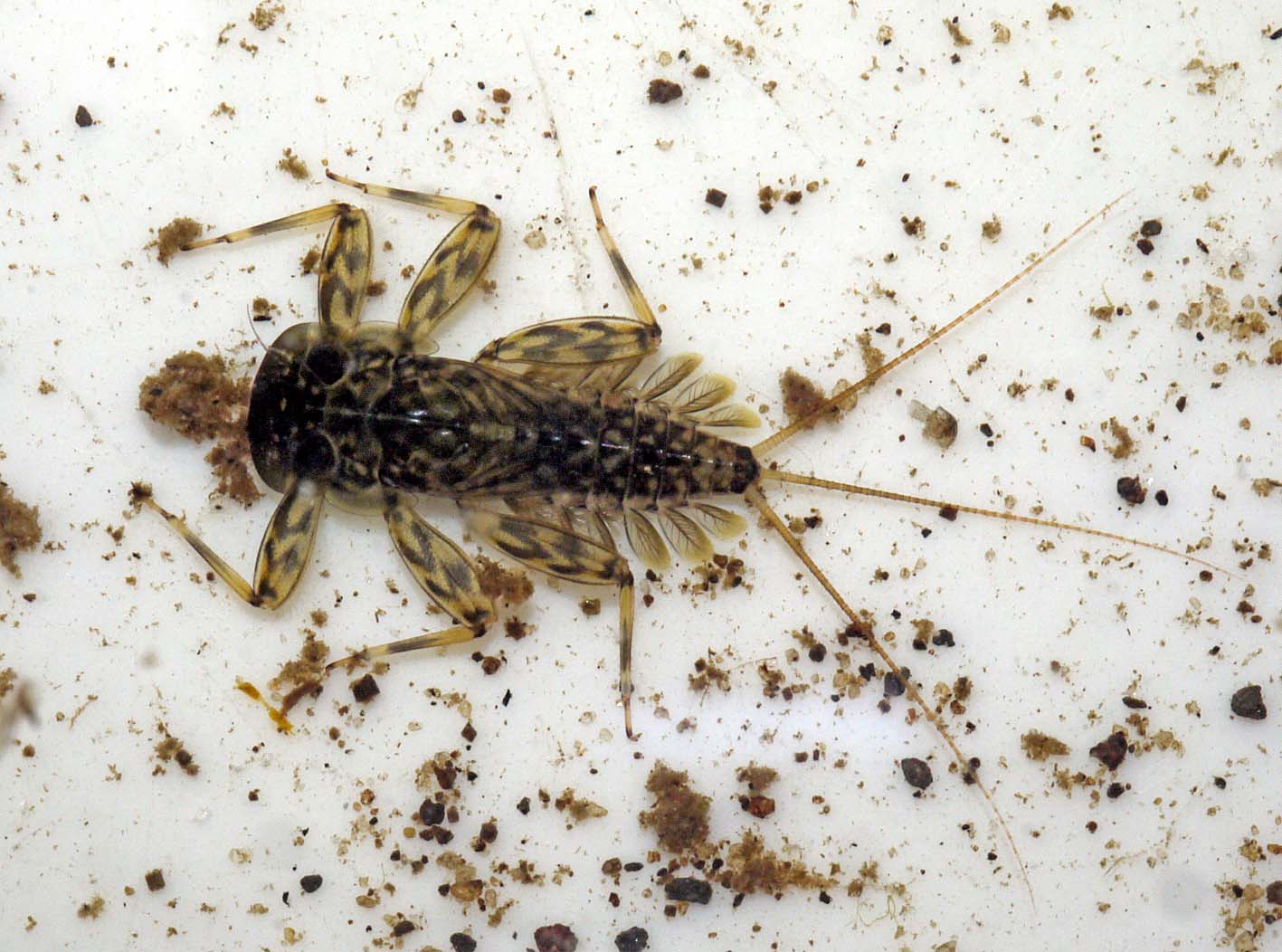
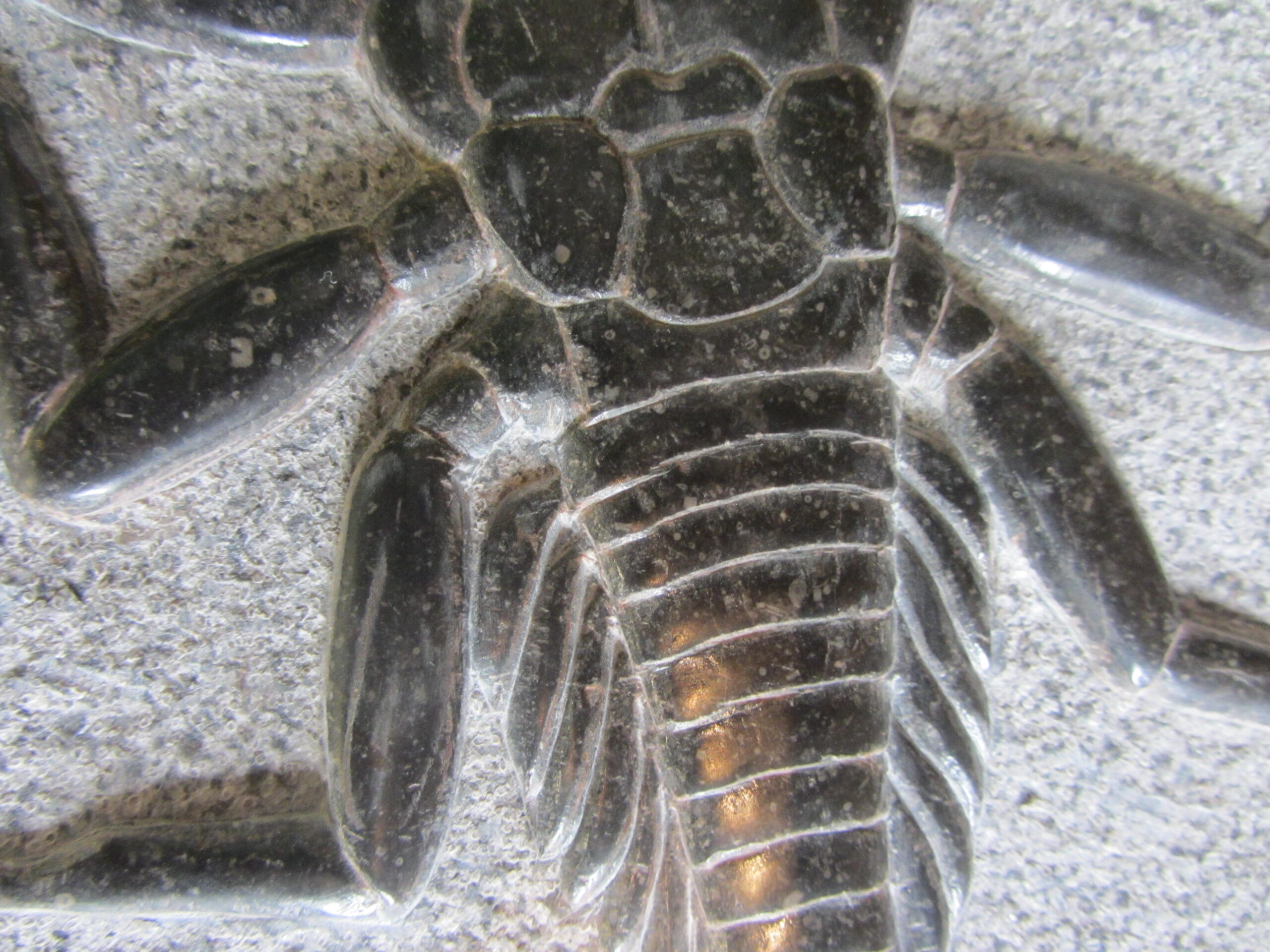
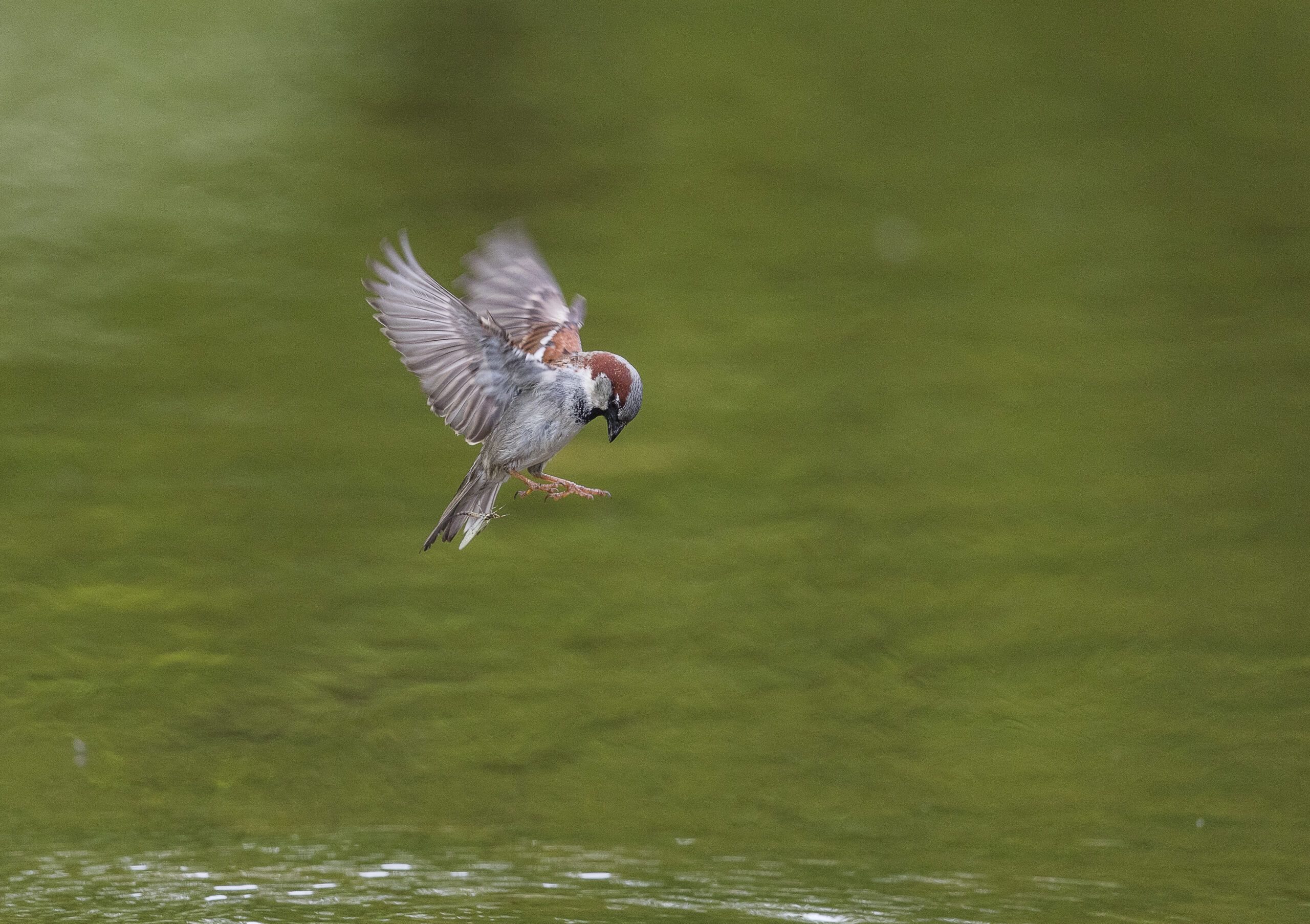
Up-wing flies are unique in having two adult forms, the first sub-imago (dun) form develops into the imago (spinner). The nymph, underwater stage, can last up to 2 years. A single fly can lay hundreds if not thousands of eggs. Fossil records of these flies go back as far as 300million years. They are an important species in the lifecycle of rivers and streams, along with other river flies including caddis and stone flies they form a major part of the diet of fish and birds. These fly populations are very susceptible to deteriorating water quality and flooding, making the conservation of our rivers a priority.
The Riverfly Partnership along with other key stakeholders including local river trusts carry out vital monitoring of up-wing and other fly populations.
Self-guided walks in the North Pennines alongside rivers and flowing water where you are likely to see up-wing flies include the High Force/Bowlees Geotrail, St John’s Chapel Geotrail, the Roof of England Walk, and Slitt Wood in Westgate.